



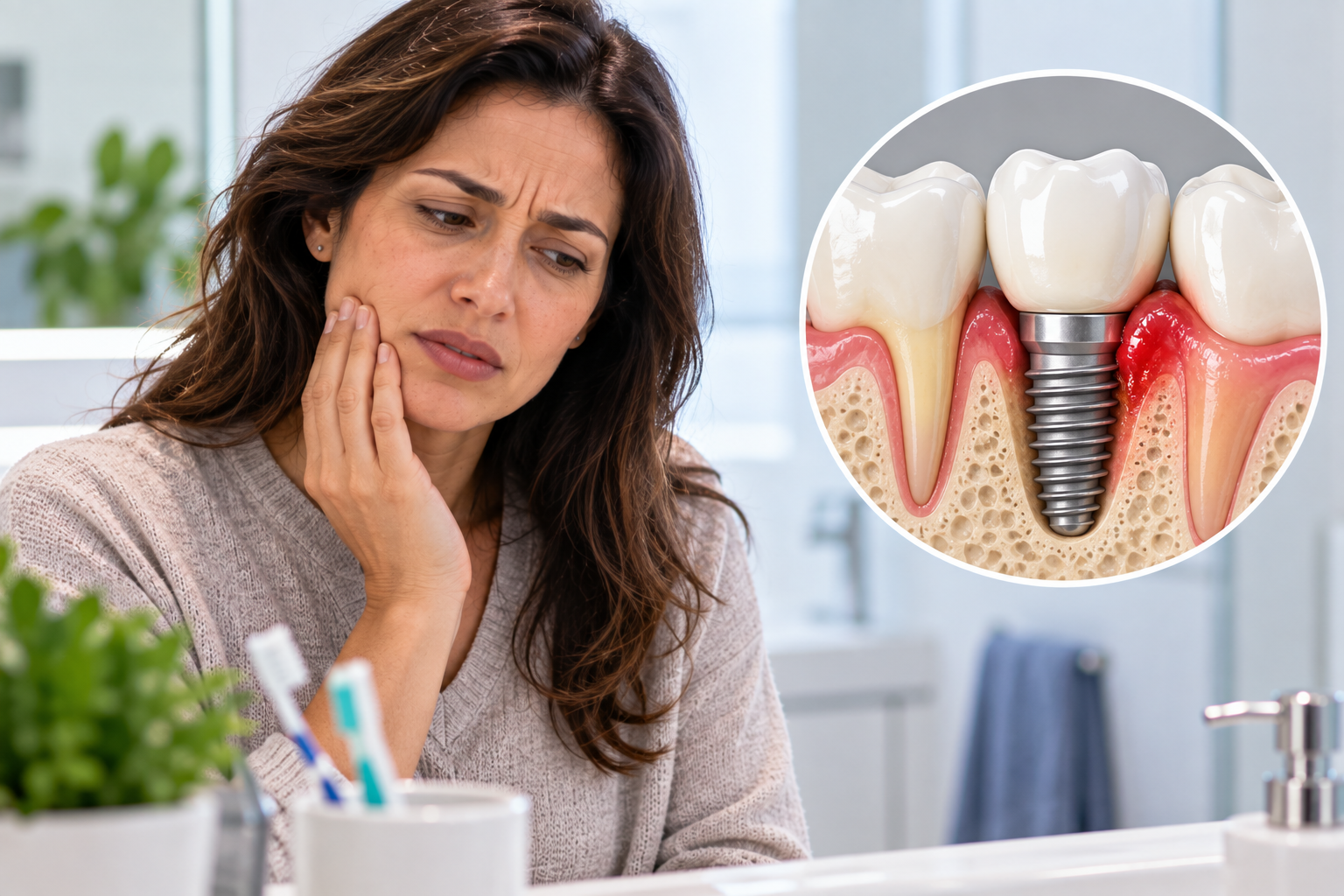
Uncover the hidden dangers of peri-implantitis and how to protect your oral health.
KEY STATISTICS
- Approximately 10% to 20% of dental implants are affected by peri-implantitis within 5 to 10 years of placement.
- Studies indicate that smokers are 4 times more likely to develop peri-implantitis compared to non-smokers.
- Up to 50% of patients with a history of periodontitis may experience peri-implantitis.
Imagine enjoying your favorite meal, only to be interrupted by sudden discomfort near your dental implant. For many adults in their late 30s and early 40s, dental implants offer a new lease on life, restoring both function and confidence. However, beneath the surface of this dental triumph lies a lurking threat: peri-implantitis, an inflammatory disease that can jeopardize the longevity of your implant and overall oral health.
How This Affects Your Body and Biology
Peri-implantitis is characterized by the inflammatory response triggered by the presence of bacteria in the peri-implant tissues. When dental implants are placed, the body attempts to integrate the foreign material, which is typically titanium. However, if oral hygiene is inadequate, pathogenic bacteria can form biofilms on the implant surface, leading to infection and inflammation.
This process is marked by the activation of immune cells, which release pro-inflammatory cytokines, exacerbating tissue breakdown and bone resorption surrounding the implant.
- The inflammatory response can lead to the destruction of bone and soft tissue supporting the implant.
- Biofilm formation on implant surfaces is a primary factor in the onset of peri-implantitis.
- Pro-inflammatory cytokines play a crucial role in mediating the immune response to infection.
- Early intervention is essential to prevent irreversible damage to the implant and surrounding tissues.
Why Adults in Their 30s and 40s Face Unique Vulnerabilities
Adults in their 30s and 40s may experience hormonal shifts and metabolic changes that increase their susceptibility to peri-implantitis. The late 30s and early 40s often coincide with the onset of hormonal fluctuations, particularly in women due to perimenopause, which can affect oral health. Hormonal changes can lead to altered blood flow and immune responses, making the body less effective at combating infections.
- Hormonal changes can alter the inflammatory response, affecting tissue healing around implants.
- Increased stress levels can lead to bruxism, which can place additional strain on implants.
- Metabolic conditions such as diabetes, which often emerge or worsen in this age range, are linked to higher rates of peri-implantitis.
Warning Signs and Early Symptoms to Watch For
- Red or swollen gums near the implant, indicating inflammation.
- Bleeding upon brushing or flossing, a sign of potential infection.
- Pus or discharge around the implant, suggesting an active infection.
- Increased mobility of the implant, indicating bone loss.
- Bad breath or an unpleasant taste in the mouth, which can accompany infection.
- Sensitivity or pain around the implant area, signaling underlying issues.
Evidence-Based Diet and Lifestyle Strategies That Work
Maintaining a balanced diet rich in nutrients is crucial for supporting oral health and reducing the risk of peri-implantitis. A diet high in antioxidants, vitamins C and D, and omega-3 fatty acids can bolster the immune system and promote healing. Foods such as leafy greens, nuts, fatty fish, and citrus fruits provide essential nutrients that enhance gum health and help combat inflammation.
Additionally, practicing good oral hygiene, including regular brushing, flossing, and professional dental check-ups, is vital for keeping bacterial levels in check.
- Incorporate antioxidant-rich foods like berries and dark chocolate to combat inflammation.
- Ensure adequate vitamin D intake through sunlight exposure or supplements to support bone health.
- Consume omega-3 fatty acids found in fish and flaxseed to reduce inflammatory responses.
- Limit sugary snacks and beverages that can promote bacterial growth in the mouth.
Your Daily Action Plan Checklist
- Brush your teeth at least twice a day with fluoride toothpaste.
- Floss daily to remove plaque and food particles between teeth and around implants.
- Schedule regular dental check-ups every six months for professional cleaning and assessment.
- Monitor your gum health and report any changes to your dentist immediately.
- Adopt a balanced diet rich in vitamins and minerals that support oral and overall health.
- Manage stress through mindfulness practices or regular physical activity to reduce bruxism risks.
The Overlooked Role of Sleep, Stress, and Systemic Health
Chronic stress can have profound effects on overall health and specifically on oral health. Elevated cortisol levels due to stress can lead to increased inflammation in the body, making it more challenging to fight off infections, including those affecting dental implants. Additionally, poor sleep quality has been linked with compromised immune function, further exacerbating the risk of peri-implantitis.
Establishing a routine that prioritizes both sleep and stress management can significantly contribute to reducing these risks.
- Chronic stress can increase inflammation, which may worsen peri-implantitis.
- Adequate sleep is crucial for immune function and overall health.
- Mindfulness and relaxation techniques can mitigate the effects of stress on oral health.
Bottom Line
By understanding the risks associated with peri-implantitis and taking proactive steps to maintain your oral health, you can significantly enhance the longevity of your dental implants. Prioritizing a balanced diet, effective stress management, and regular dental care are essential components of a comprehensive approach to healthy living. Remember, your oral health is an integral part of your overall well-being, especially as you navigate the complexities of adulthood.
Health Of State — always consult a qualified healthcare provider before making changes to your health routine.
Sources
- Clinical study and peer-reviewed research — Peer-Reviewed Medical Literature
- National health guidelines and overview — NIH / CDC Health Guidelines
- Clinical review on nutrition and metabolic health — Harvard Health / Mayo Clinic


