



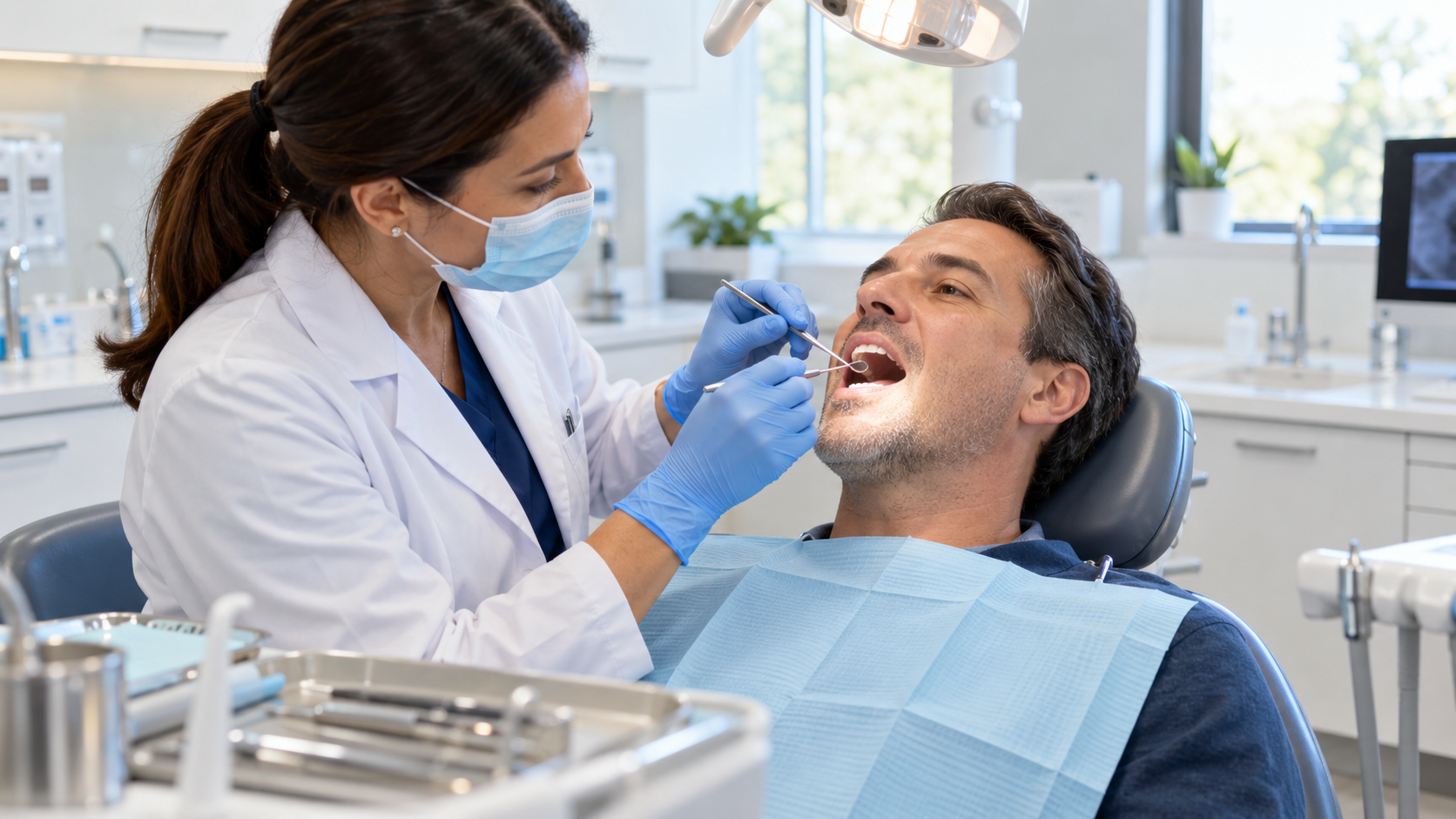
Understanding the root causes and empowering strategies to combat oral lesions in your daily life.
KEY STATISTICS
- Oral lesions affect approximately 20% of adults at some point in their lives, with increased prevalence in those aged 30-50.
- Studies show that nearly 40% of individuals with recurrent oral ulcers report significant impact on quality of life.
- Up to 50% of patients with oral lesions have underlying systemic conditions, underscoring the need for comprehensive management.
Imagine biting into your favorite piece of fruit, only to be met with a sharp pang of pain radiating from a sore in your mouth. For many adults in their late 30s and 40s, oral lesions such as canker sores, cold sores, and leukoplakia can disrupt daily routines, affecting everything from eating and speaking to social interactions. These lesions can stem from various causes, including stress, dietary deficiencies, or underlying health conditions, making their management crucial for maintaining overall well-being.
Understanding the complexities of oral lesions is vital. Not only do they signal potential nutritional deficiencies or systemic health issues, but they can also serve as a gateway to more serious health concerns. As adults navigate the challenges of midlife, awareness and proactive management of oral lesions can significantly enhance quality of life and reduce the impact of these painful conditions.
How This Affects Your Body and Biology
Oral lesions arise from a variety of biological mechanisms, often linked to inflammation, immune response, and microbial activity. For instance, canker sores (aphthous ulcers) are thought to be triggered by factors such as stress or certain food intolerances, leading to localized inflammation. This inflammation is mediated by cytokines—proteins that signal the immune system to respond.
When the mucosal lining of the mouth is compromised, it becomes more susceptible to pathogenic bacteria and viruses, which can exacerbate the lesion’s severity and duration.
Cold sores, caused by the herpes simplex virus (HSV), illustrate another biological pathway. Once contracted, HSV remains dormant in nerve cells and can be reactivated by stress, illness, or hormonal changes. The virus travels along nerve pathways to the skin, causing lesions characterized by painful blisters.
Understanding these mechanisms is crucial for effective management and prevention, as targeted interventions can address the root causes of these oral health issues.
- Canker sores are primarily caused by inflammatory responses, often linked to stress and dietary factors.
- The herpes simplex virus can lead to recurrent cold sores, reactivated by stress or illness.
- Oral lesions can serve as indicators of systemic health issues, including nutritional deficiencies.
- Local inflammation in oral tissues can create a breeding ground for secondary infections.
Why Adults in Their 30s and 40s Face Unique Vulnerabilities
Adults in their 30s and 40s often experience hormonal fluctuations that can exacerbate oral lesions. For example, changes in estrogen and testosterone levels can influence the immune response, making it harder for the body to fight off infections. This age group may also experience increased stress from work and family responsibilities, further compromising immune function and leading to a higher incidence of oral lesions, particularly canker sores and cold sores.
Moreover, dietary habits tend to shift in this demographic, often leading to nutrient deficiencies. Deficiencies in essential vitamins such as B12, folate, and iron can weaken the mucosal barrier, making individuals more susceptible to lesions. This combination of hormonal, dietary, and lifestyle factors creates a unique set of challenges for adults in their 30s and 40s, necessitating a proactive approach to oral health.
- Hormonal changes can impact immune function, increasing susceptibility to infections.
- Heightened stress levels can trigger or worsen oral lesions.
- Dietary deficiencies in key vitamins can compromise the mucosal barrier.
Warning Signs and Early Symptoms to Watch For
- Persistent sores that do not heal within two weeks may indicate a more serious condition.
- Recurring canker sores, especially if accompanied by fever or swollen lymph nodes.
- Cold sores that appear frequently or last longer than usual.
- White patches or lesions that do not wipe away could signify leukoplakia.
- Painful lesions that affect eating and drinking, leading to unintentional weight loss.
- Any changes in the color or texture of the oral mucosa, especially if accompanied by discomfort.
Evidence-Based Diet and Lifestyle Strategies That Work
Effective management of oral lesions hinges on a multi-faceted approach that includes dietary modifications and lifestyle changes. A diet rich in vitamins and minerals is paramount; focusing on foods high in vitamin B12, folate, iron, and zinc can bolster mucosal health. Incorporating leafy greens, lean meats, legumes, and whole grains not only nourishes the body but also supports a robust immune response, which is critical in combating oral lesions.
Additionally, maintaining proper hydration is essential for oral health. Dehydration can lead to dry mouth, increasing the risk of lesions. Furthermore, practicing stress-reducing techniques, such as mindfulness and regular physical activity, can help mitigate flare-ups.
A holistic approach that combines nutrition, hydration, and stress management is key to preventing and managing oral lesions effectively.
- Incorporate foods rich in vitamin B12, folate, and zinc.
- Stay hydrated to prevent dry mouth and reduce lesion risk.
- Engage in regular physical activity to manage stress levels.
- Consider probiotics to support oral and gut health.
Your Daily Action Plan Checklist
- Monitor your diet and include nutrient-rich foods daily.
- Keep a hydration log to ensure adequate fluid intake.
- Practice daily stress-relief techniques such as yoga or meditation.
- Schedule regular dental check-ups to monitor oral health.
- Limit triggers such as acidic or spicy foods that may provoke lesions.
- Document any recurring symptoms and discuss them with your healthcare provider.
The Overlooked Role of Sleep, Stress, and Systemic Health
Quality sleep is a crucial, yet often overlooked, aspect of oral health. Insufficient sleep can lead to increased levels of cortisol, the stress hormone, which has been shown to weaken immune function and exacerbate inflammation. Individuals who experience chronic sleep deprivation are more likely to develop oral lesions due to the compounded effects of stress and immune suppression.
Additionally, systemic health conditions such as diabetes can influence oral health, making it essential to manage overall health proactively.
Chronic stress, in particular, can create a vicious cycle where oral lesions lead to increased anxiety, further impacting sleep and recovery. Addressing these lifestyle factors holistically can significantly reduce the occurrence and severity of oral lesions, promoting better health outcomes.
- Aim for 7-9 hours of quality sleep per night to support immune function.
- Manage stress through regular physical activity and relaxation techniques.
- Monitor overall health conditions that may impact oral health.
Bottom Line
Managing oral lesions effectively requires a comprehensive understanding of their causes and proactive lifestyle adjustments. By making informed dietary choices, practicing stress management, and maintaining overall health, adults can significantly reduce their risk of developing painful oral lesions. Empowered by knowledge and action, you can reclaim your oral health and enhance your quality of life.
Health Of State — always consult a qualified healthcare provider before making changes to your health routine.
Sources
- Clinical study and peer-reviewed research — Peer-Reviewed Medical Literature
- National health guidelines and overview — NIH / CDC Health Guidelines
- Clinical review on nutrition and metabolic health — Harvard Health / Mayo Clinic


