



Introduction
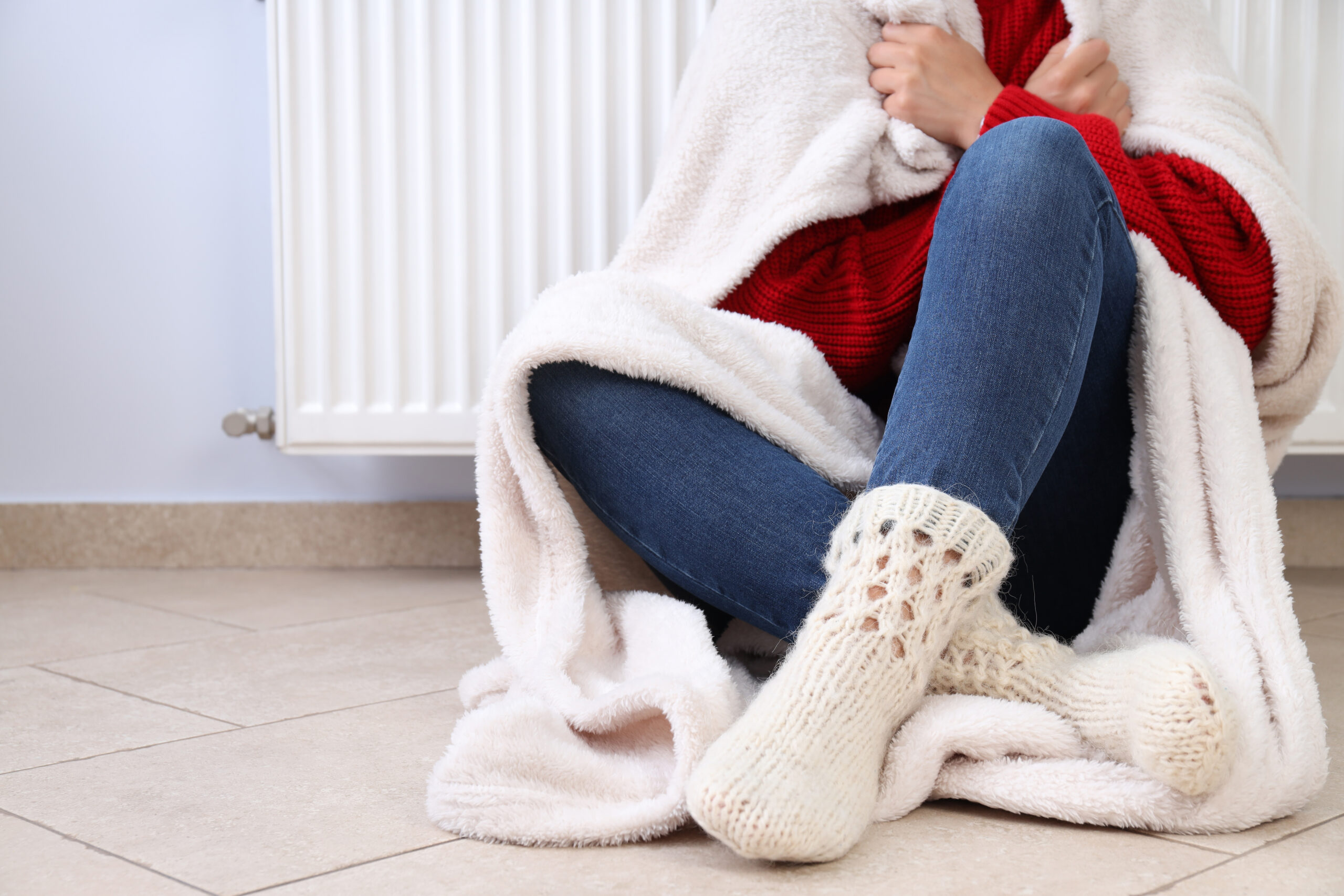
Cold hands and feet are often dismissed as a minor inconvenience, especially during colder months. However, when this sensation persists regardless of the weather, it may signal underlying physiological or medical factors that deserve attention. Many individuals experience chronic cold extremities even in warm environments, leading to discomfort, reduced productivity, and concerns about circulation or nerve health. While occasional coldness is normal due to environmental exposure, persistent symptoms can be linked to vascular, neurological, or metabolic conditions. Understanding why this occurs requires a deeper look into how the body regulates temperature and blood flow. This article explores the mechanisms behind cold extremities, identifies potential causes, and outlines when it may be necessary to seek medical evaluation.
Understanding the Topic
Cold hands and feet occur when blood flow to the extremities is reduced or when the body prioritizes core temperature regulation over peripheral warmth. The body naturally constricts blood vessels in response to cold environments, a process known as vasoconstriction. However, in some individuals, this response becomes exaggerated or occurs even in normal conditions.
This condition can be temporary or chronic. Temporary coldness is usually harmless, but chronic symptoms may indicate issues with circulation, nerve signaling, or systemic health disorders. Identifying whether the problem is occasional or persistent is crucial in determining its significance.
How the Body/System Works
The human body maintains temperature through a balance between heat production and heat loss. Blood plays a central role in this process by distributing warmth from the core (heart and vital organs) to the extremities.
When exposed to cold or stress, the nervous system triggers vasoconstriction in peripheral blood vessels to preserve heat. This reduces blood flow to the hands and feet, making them feel cold. Once the body stabilizes, vessels dilate again, restoring warmth.
In individuals with chronic cold extremities, this regulatory system may be impaired due to poor circulation, hormonal imbalances, or nerve dysfunction. As a result, the extremities receive insufficient blood flow even when the body does not need to conserve heat.
Main Causes / Factors
Poor Circulation
Reduced blood flow is one of the most common causes. Conditions affecting arteries or veins can limit the delivery of warm blood to extremities.
Raynaud’s Phenomenon
A condition where blood vessels overreact to cold or stress, leading to episodes of extreme coldness, often accompanied by color changes in the skin.
Hypothyroidism
Low thyroid hormone levels can slow metabolism, reducing heat production and making individuals more sensitive to cold.
Anemia
Low levels of red blood cells or hemoglobin reduce oxygen delivery, leading to feelings of coldness and fatigue.
Diabetes
Nerve damage (neuropathy) and circulation issues associated with diabetes can affect temperature perception and blood flow.
Low Body Weight
Insufficient body fat reduces insulation and heat retention, making extremities more vulnerable to cold.
Medical Conditions Linked
Several medical conditions are commonly associated with persistent cold hands and feet:
- Peripheral artery disease (PAD)
- Autoimmune disorders such as lupus or scleroderma
- Chronic fatigue syndrome
- Vitamin deficiencies, especially B12 and iron
These conditions often interfere with blood circulation, nerve signaling, or metabolic function, contributing to chronic cold sensations.
Lifestyle and Behavioral Factors
Daily habits can significantly influence how the body regulates temperature:
- Sedentary lifestyle reduces circulation efficiency
- Smoking constricts blood vessels and impairs blood flow
- Excess caffeine intake may trigger vasoconstriction
- Poor diet lacking essential nutrients affects metabolism and blood health
Improving these lifestyle factors can often alleviate mild symptoms without medical intervention.
Age or Risk Factors
Certain groups are more prone to experiencing cold extremities:
- Women, due to hormonal differences and smaller blood vessels
- Older adults, as circulation efficiency declines with age
- Individuals with chronic illnesses affecting metabolism or circulation
- People living in colder climates or frequently exposed to cold environments
These risk factors highlight the importance of personalized assessment when symptoms persist.
Other Contributing Factors
Additional factors that may contribute include:
- Stress and anxiety, which activate the body’s fight-or-flight response
- Hormonal fluctuations, particularly during menopause
- Dehydration, which affects blood volume and circulation
- Tight clothing that restricts blood flow
These factors may not cause the condition directly but can worsen existing symptoms.
Symptoms to Watch For
While cold hands and feet alone may not always indicate a serious problem, certain accompanying symptoms require attention:
- Numbness or tingling
- Skin turning white, blue, or purple
- Persistent pain or throbbing
- Slow healing of cuts or sores
- Weak pulse in the extremities
If these symptoms occur frequently or worsen over time, they may indicate an underlying medical condition.
When to Seek Medical Help
Medical evaluation is recommended if:
- Cold extremities occur frequently without exposure to cold
- Symptoms interfere with daily activities
- There are visible changes in skin color or texture
- Pain or numbness accompanies the cold sensation
- There is a history of chronic illness such as diabetes or thyroid disorders
A healthcare professional may perform blood tests, imaging, or circulation assessments to determine the cause.
Prevention Tips
Adopting preventive measures can help manage and reduce symptoms:
- Stay physically active to improve circulation
- Wear warm clothing, especially gloves and socks
- Maintain a balanced diet rich in iron and vitamins
- Avoid smoking and limit caffeine intake
- Practice stress management techniques
- Keep the body well-hydrated
These steps support overall vascular health and improve the body’s ability to regulate temperature.
Treatment Overview
Treatment depends on the underlying cause. In mild cases, lifestyle adjustments may be sufficient. For medical conditions, treatment may include:
- Medications to improve blood flow
- Hormone therapy for thyroid-related issues
- Nutritional supplements for deficiencies
- Management of chronic diseases such as diabetes
In conditions like Raynaud’s phenomenon, specific medications may be prescribed to relax blood vessels and reduce episodes.
Conclusion
Cold hands and feet may seem like a minor annoyance, but persistent symptoms can reflect deeper physiological imbalances. From circulation issues to hormonal or neurological factors, the causes are diverse and often interconnected. Recognizing patterns and associated symptoms is essential for identifying whether the condition is harmless or requires medical attention. With proper lifestyle adjustments and timely diagnosis, most cases can be effectively managed. Paying attention to the body’s signals and maintaining overall health are key steps in preventing chronic discomfort and ensuring optimal circulation. If symptoms persist or worsen, seeking professional guidance is the best course of action to rule out serious underlying conditions.