



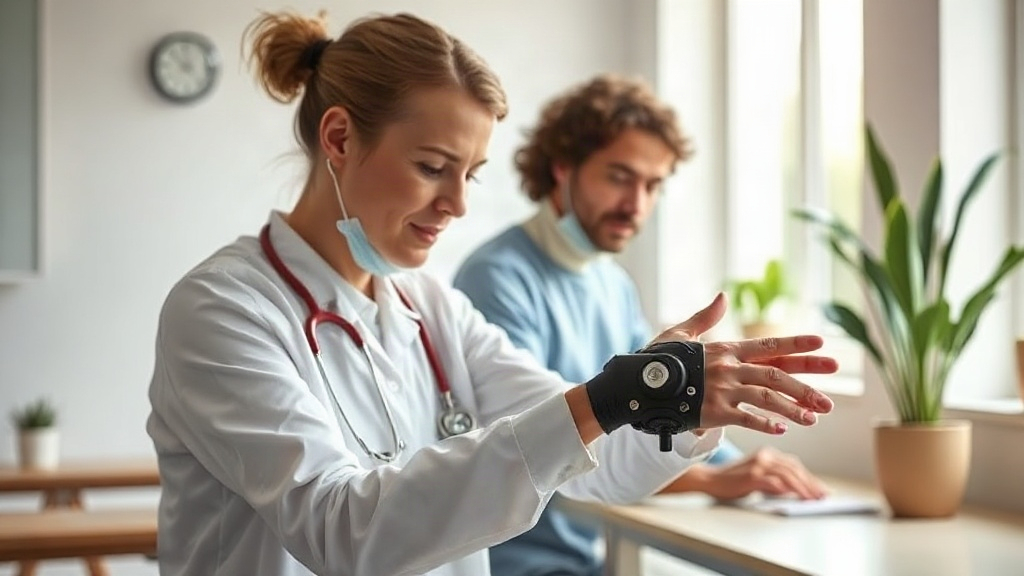
Revolutionary advancements in upper limb prosthetics are transforming lives, offering newfound hope and functionality.
KEY STATISTICS
- Approximately 2 million people in the U.S. live with upper limb loss, with a projected increase of 185% by 2050.
- Recent studies show that advanced prosthetics can improve quality of life by up to 70% in users relative to traditional devices.
- Over 90% of individuals with prosthetic limbs report significant improvement in their ability to perform daily activities.
Imagine waking up every morning and struggling to perform simple tasks like buttoning your shirt or pouring a cup of coffee. For millions of adults, this is a daily reality due to upper limb loss, whether from accidents, congenital conditions, or medical issues such as diabetes. However, advancements in prosthetic technology are not only enhancing functionality but also inspiring a new outlook on life for those affected.
As we delve into the world of upper limb prosthetics, it’s crucial to understand the profound impact these devices have on the physical and psychological aspects of daily living. The latest developments in biocompatible materials, robotics, and neural integration offer hope for greater mobility and independence, transforming the lives of individuals in their 30s and 40s who may feel that their best years are behind them due to significant physical limitations.
How This Affects Your Body and Biology
At the core of upper limb prosthetics lies a complex interplay between technology and biology. Modern prosthetics utilize advanced sensors that mimic the functions of natural muscles and nerves, allowing for intuitive control. This is achieved through myoelectric technology, where electrical signals generated by muscle contractions are translated into movement commands for the prosthetic limb.
This not only restores the ability to grip or lift but also offers a sense of agency that is critical for mental health and self-esteem.
The physiological impact of using a prosthetic can be profound. Studies have shown that active engagement with a prosthetic limb can stimulate neural pathways, potentially leading to improvements in motor control and coordination. These advances are particularly significant for adults in their 30s and 40s, who may experience a decline in muscle mass and strength due to aging.
By integrating these devices into their daily routines, users can counteract some of these age-related changes, enhancing both physical capabilities and overall well-being.
- Myoelectric prosthetics enable intuitive control through muscle signal detection.
- Neural engagement with prosthetics can promote motor pathway stimulation.
- Active use of prosthetics helps combat age-related muscle decline.
- Advanced materials improve comfort, durability, and functionality.
Why Adults in Their 30s and 40s Face Unique Vulnerabilities
For adults in their 30s and 40s, the challenges associated with upper limb loss can be exacerbated by unique biological vulnerabilities. This age group often experiences a gradual decline in muscle mass and strength, known as sarcopenia, which can complicate rehabilitation and adaptation to prosthetic devices. Additionally, hormonal changes during this period, particularly in men and women, can affect muscle recovery and overall physical resilience, making the integration of a prosthetic limb more challenging.
Psychological factors also play a critical role in this demographic. Adults in their late 30s and 40s may be at a pivotal point in their careers and family lives, where the loss of a limb can feel particularly devastating. The pressure to maintain professional and familial responsibilities can intensify feelings of anxiety and depression, making the psychological support surrounding prosthetic use just as important as the physical adaptation.
- Sarcopenia leads to muscle mass decline, complicating prosthetic use.
- Hormonal changes affect recovery and resilience in this age group.
- Psychological stressors impact adaptation to limb loss.
Warning Signs and Early Symptoms to Watch For
- Persistent pain or discomfort in the residual limb, indicating possible complications.
- Numbness or tingling sensations that may signal nerve issues or improper fit.
- Skin irritation or rashes around the prosthetic site, suggesting a need for adjustment.
- Difficulty in controlling the prosthetic limb, indicating potential sensor malfunctions.
- Unexplained fatigue or weakness, which may affect the ability to use the prosthetic effectively.
- Emotional changes such as increased anxiety or depression that affect daily life.
Evidence-Based Diet and Lifestyle Strategies That Work
Adopting a proactive approach to nutrition and lifestyle can significantly enhance the effectiveness of upper limb prosthetics. A diet rich in lean proteins, healthy fats, and whole grains can support muscle recovery and growth, critical for those adjusting to a prosthetic. Foods high in antioxidants, such as berries and leafy greens, can help mitigate inflammation and promote overall health, essential for maintaining an active lifestyle.
Additionally, staying hydrated is crucial for optimal physical and mental function, particularly when engaging in rehabilitation exercises.
Incorporating regular physical activity tailored to the individual’s abilities not only aids in physical adaptation but also boosts overall mental health. Resistance training, yoga, and aquatic exercises can be particularly beneficial for those with upper limb prosthetics, as they help to strengthen the core and lower body, supporting overall mobility. Engaging in mindfulness practices can also serve to alleviate the psychological stressors associated with limb loss, fostering resilience and promoting a positive outlook on life.
- Incorporate lean proteins and healthy fats for muscle recovery.
- Consume antioxidant-rich foods to reduce inflammation.
- Stay hydrated to support physical and mental function.
- Engage in regular, tailored physical activities to enhance mobility.
Your Daily Action Plan Checklist
- Schedule regular check-ups with a prosthetic specialist for adjustments.
- Incorporate strength training exercises at least three times a week.
- Maintain a balanced diet rich in proteins and antioxidants.
- Practice mindfulness or stress-reduction techniques daily.
- Stay educated about new prosthetic technologies and options.
- Connect with support groups or communities for emotional support.
The Overlooked Role of Sleep, Stress, and Systemic Health
Sleep and stress management are often overlooked yet crucial components of adapting to life with a prosthetic limb. Quality sleep is essential for muscle recovery and cognitive function, both of which are vital for individuals who are learning to navigate life with a new device. Poor sleep quality can exacerbate feelings of anxiety and depression, hindering the adaptation process.
Chronic stress can lead to increased levels of cortisol, which has been shown to negatively impact muscle repair and overall health. Therefore, managing stress through techniques such as meditation, deep breathing exercises, and adequate sleep hygiene can enhance the effectiveness of prosthetics while supporting overall systemic health. By addressing these factors, individuals can create a more conducive environment for physical and emotional recovery.
- Quality sleep supports muscle recovery and cognitive function.
- Chronic stress negatively impacts muscle repair and health.
- Stress management techniques can enhance adaptation to prosthetics.
Bottom Line
The journey toward adapting to upper limb prosthetics is filled with challenges, but it also offers a pathway to reclaiming independence and enhancing quality of life. By understanding the biological mechanisms at play, recognizing unique vulnerabilities in your 30s and 40s, and implementing evidence-based lifestyle changes, you can navigate this transition with resilience. Embrace the support available to you and take proactive steps to unlock the full potential of your prosthetic limb, paving the way for a brighter, more functional future.
Health Of State — always consult a qualified healthcare provider before making changes to your health routine.
Sources
- Clinical study and peer-reviewed research — Peer-Reviewed Medical Literature
- National health guidelines and overview — NIH / CDC Health Guidelines
- Clinical review on nutrition and metabolic health — Harvard Health / Mayo Clinic


