



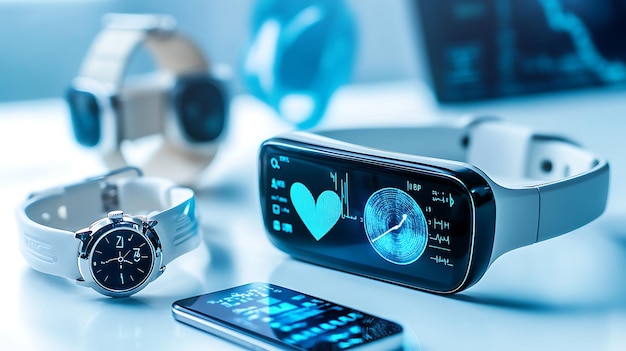
Smart Devices for Heart Health
Unsplash Image Search: smart health devices
In today’s digital era, technology is reshaping how we look after our well-being, particularly our heart health. For adults over 40, recognizing subtle changes in heart function and maintaining cardiovascular wellness become critical. Enter smart devicesâtools that not only track but also guide us towards healthier choices. Yet, the allure isn’t just in the technology; it’s about personal empowerment. Imagine the peace of mind that comes with knowing more about your heart’s rhythms and how to interpret them within the context of your life.
Does the idea of integrating smart devices feel overwhelming? You’re not alone. Many feel a mix of curiosity and apprehension about relying on technology for something as vital as heart health. But understanding the potential these devices hold can be a reassuring step toward comprehensive well-being.
This dive into smart heart health monitoring will help clarify what these devices can do for you. From understanding cardiovascular patterns to offering personalized insights, the future of heart health could very well be in your pocketâor, more likely, on your wrist.
Understanding Your Heart’s Signals
Heart health devices, including smartwatches and dedicated heart monitors, focus on tracking vital statistics such as heart rate and rhythm. By continuously monitoring these signals, they provide a window into your cardiovascular health. Research suggests these gadgets can help detect irregular heartbeats, a common concern for those over 40.
The beauty of these devices lies in their simplicity. You wear them like any ordinary watch, yet they deliver continuous feedback. This real-time data can be invaluable, aiding in early detection of potential issues and offering daily insights that help you refine your lifestyle choices for better heart health.
Features to Look For
When choosing a smart device, it’s important to note the range of features available. Here are some factors to consider for an effective heart health monitor:
-
Heart Rhythm Tracking: Can detect irregular heartbeats such as atrial fibrillation.
-
ECG Capability: Some devices include the option to record an electrocardiogram, which can be shared with healthcare providers for further analysis.
-
Activity and Sleep Monitoring: Helps correlate heart activity with lifestyle factors, providing a comprehensive health picture.
-
User-friendly Interface: Consider ease of use, particularly if you prefer straightforward setups without technical hassles.
Integrating Technology into Daily Life
Once equipped with a smart device, integrating it into your daily routine can yield the best results. Consistency is key. Over time, the insights gathered can reveal patternsâperhaps your heart rate spikes after your evening coffee or calms with morning meditation.
Experts note that reinforcing this process, where the technology complements rather than dominates daily life, can lead to healthier habits without feeling burdensome. Remember, smart monitoring is not meant to replace professional medical advice but to serve as an adjunct to conscious health practices.
The Emotional Journey of Monitoring
Actors on the health stage, these devices also play a crucial role in the emotional journey towards well-being. For some, regularly reviewing data can provoke anxiety. However, many find these insights empowering, providing a sense of control and reassurance.
Balancing emotional responses to the data with a pragmatic outlook can be beneficial. Recognizing that fluctuations in heart rate are normal, that temporary spikes arenât always alarming, and that technology is a part of a broader health mosaic ensures a balanced perspective.
Simple Daily Takeaways
-
Start Slow: Ease into monitoring, initially focusing on one or two functionalities of the device.
-
Embrace Insights: Use the data to guide positive lifestyle changes but consult healthcare providers for comprehensive advice.
-
Maintain Balance: Use technology to complement, not replace, professional medical guidance.
-
Stay Updated: Keep your device updated to benefit from the latest health monitoring features.