



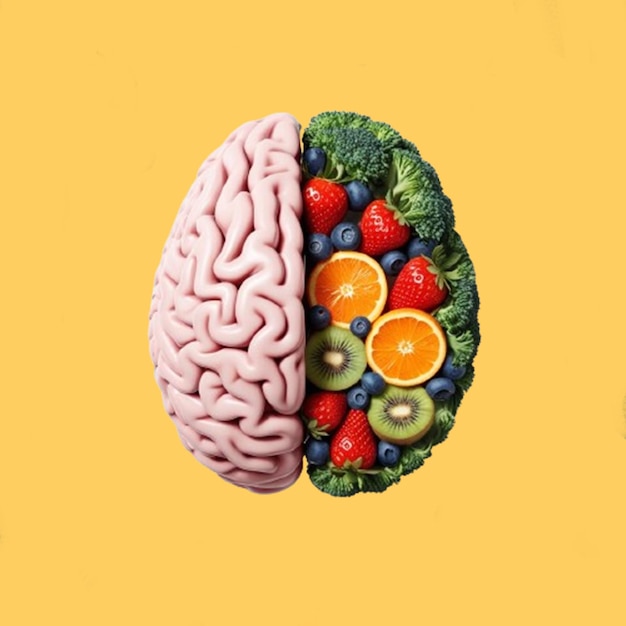
Nutritional Secrets to Boost Brain Health
Unsplash Image Search: brain food
As we age beyond 40, maintaining mental sharpness becomes increasingly important. Those moments when we forget the name of a movie or misplace our keys are more than just inconvenient ââ¬â they serve as gentle reminders to nurture our brain health. Fortunately, the answer may lie in something as simple and everyday as our diet. More and more, research suggests that what we eat has a profound influence on cognitive longevity and mental clarity, making nutrition an essential part of brain health strategy.
Think of your brain as a highly intricate machine. For it to function flawlessly, it requires a variety of fuels found in foods we might already enjoy or are easily accessible. Understanding these nutritional secrets offers a way to support cognitive function without a prescription or invasive procedures. Letââ¬â¢s explore how dietary choices can help keep your mind alert and resilient, all while enjoying delicious food.
Omega-3 Fatty Acids: A Brain’s Best Friend
Omega-3 fatty acids have long been associated with cardiovascular health, but their benefits extend to brain health as well. These essential fats are critical components of cell membranes, especially in the brain and they are known to play a vital role in cognitive function.
Experts note that consuming fatty fish such as salmon, mackerel, and sardines can provide a rich source of omega-3s. For those with dietary restrictions, plant-based options like flaxseeds and walnuts may be suitable alternatives. The inclusion of these foods in your diet may support improved memory and reduced risk of cognitive decline.
Antioxidants: Battling Brain Aging
Oxidative stress, which occurs when there’s an imbalance between free radicals and antioxidants in the body, is associated with an accelerated aging process, particularly in the brain. Antioxidants counter this process by neutralizing harmful free radicals.
Foods rich in antioxidants, such as blueberries, strawberries, and dark chocolate, are not only delicious but also beneficial for brain health. Green leafy vegetables like spinach and kale are packed with antioxidants as well and may help combat age-related cognitive decline.
B Vitamins: More than Just Energy Boosters
B vitamins, particularly B6, B9 (folate), and B12, are crucial for proper brain function. These nutrients are involved in producing neurotransmitters that messages between neurons and are associated with mood regulation and cognitive function.
Incorporating foods such as eggs, dairy products, and whole grains can provide these essential vitamins, possibly enhancing mental clarity and memories. Leafy greens and legumes are excellent sources of folate, which may further support cognitive processes.
The Role of Hydration
While hydration might not be the first thing that comes to mind when considering brain health, it plays a critical role. The brain is approximately 75% water, and even mild dehydration can affect mood, focus, and short-term memory.
-
Water: Maintain constant hydration by drinking sufficient amounts throughout the day.
-
Herbal teas: Not only hydrating but can also provide additional health benefits.
-
Watery fruits: Incorporate cucumbers and melons for more fluid intake.
Fiber: The Gut-Brain Connection
The concept of the gut-brain axis suggests a link between our digestive system and brain health. A diet high in fiber is often recommended for maintaining a healthy gut microbiome, which in turn is associated with improved mood and cognitive function.
Whole grains, legumes, and a diverse range of fruits and vegetables offer the fiber necessary to promote gut health, and research is beginning to highlight its potential benefits on the brain.
Simple Daily Takeaways
-
Include fatty fish or plant-based omega-3 sources in your weekly diet.
-
Add antioxidant-rich foods like berries and leafy greens.
-
Incorporate B vitamins through eggs, whole grains, and greens.
-
Stay hydrated with water, herbal teas, and hydrating fruits.
-
Boost fiber intake to support the gut-brain connection.