



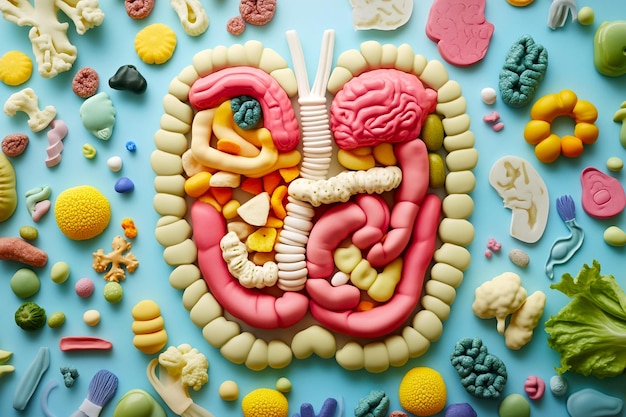
Microbiome Mysteries: Gut and Health Connection
Unsplash Image Search: gut health microbiome
Imagine a bustling metropolis right within you, teeming with life and activity, affecting everything from your mood to your immune system. It sounds fantastical, yet that’s precisely what your gut microbiome isâa vibrant community of trillions of microorganisms playing vital roles in your body’s functionality. As you navigate through life in your 40s and beyond, this invisible ecosystem becomes even more crucial. But how exactly does it impact your health, and what can you do to nurture it?
Your journey with your gut microbiome is an intricate dance of balance and diversity, critical to energy levels, metabolism, and mental clarity. Different life phases and lifestyles can tip this balance, demanding a gentle nudge in the right direction. So, how can this unseen world shape your health outcomes, and what might you consider doing about it?
For many, understanding the link between the gut and broader health might feel like unlocking a complex secret. As the research horizon expands, the narrative becomes clearerânurturing your gut can contribute positively to overall well-being. Are you ready to delve deeper into the mysteries of the microbiome?
The Inner Ecosystem: What’s Inside
The gut microbiome is an elaborate network of bacteria, viruses, fungi, and other microorganisms residing primarily in your large intestine. The composition of these microbes is highly unique to each individual, influenced by early life encounters, diet, lifestyle, and environmental exposures.
Though the term ‘bacteria’ might sound alarming, many of these microscopic residents are your allies. They aid in digesting food, producing essential vitamins, and protecting against harmful pathogens. More fascinatingly, they play a role in communicating with your brain, potentially influencing mood and cognitive functions. This tiny universe within can be astonishingly influential over your health.
Aging and Microbiome: A Shifting Balance
As you age, physiological changes naturally affect your microbiome’s composition and diversity. Factors such as altered nutrition habits, reduced physical activity, and medication use can impact this balance.
-
Dietary Shifts: Sensitivities to certain foods might change as you age, modifying your dietary choices, which in turn affects microbial diversity.
-
Medications: Long-term use of drugs, especially antibiotics, can disrupt the balance by diminishing beneficial bacteria.
-
Activity Levels: Physical activity has been associated with maintaining microbial diversity, which can dwindle with a more sedentary lifestyle.
Awareness and adaptation to these shifts can assist you in maintaining a robust and diverse microbiome, critical to overall health resilience.
Gut Feelings: Mental Health Link
While it may sound curious, the gut-brain connection is an excellent illustration of how intestinal health transcends digestive well-being. Research suggests that your microbiome can influence the brain through the production of neurotransmitters like serotonin, a contributor to feelings of well-being and happiness.
This bi-directional communication channel between gut and brain, often referred to as the “gut-brain axis,” implies that supporting your microbiome may also support mental health. Some studies have explored how a varied microbiome may help with mood regulation, which is particularly pertinent during times of increased stress or anxiety.
Nourishing Diversity: Your Gut’s Best Friends
Caring for your microbiome involves lifestyle strategies centered around maintaining and enhancing microbial diversity. Here are some ways to support your inner metropolis:
-
Embrace Dietary Variety: A diverse diet rich in whole foods like fruits, vegetables, legumes, and grains can foster a varied microbiome.
-
Fermented Foods: Include foods such as yogurt, kefir, kimchi, and sauerkraut, which contain live cultures that may benefit your gut flora.
-
Prebiotics and Probiotics: Consider incorporating fiber-rich prebiotics which “feed” your beneficial bacteria, and probiotics that add to your microbial mix.
-
Staying Hydrated: Proper hydration aids in digestion and supports a healthy gut environment.
-
Movement Matters: Regular physical activity might contribute to diverse and resilient microbial communities.
These intentional choices can serve as building blocks to nurture your gut health positively.
Simple Daily Takeaways
-
The gut microbiome is a unique, dynamic ecosystem that has widespread effects on health.
-
Age-associated changes can impact microbiome diversity but can be managed through lifestyle adjustments.
-
Maintaining a balanced microbiome can play a role in digestive, metabolic, and mental well-being.
-
Incorporate diverse, fiber-rich foods and fermented products to support gut health.
-
Stay active and hydrated to enhance microbiome resilience.