



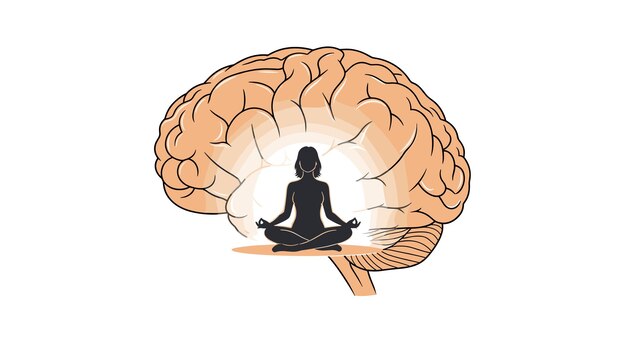
Meditation’s Impact on Brain Health
Unsplash Image Search: meditation and brain health
As we navigate the complexities of life past 40, maintaining mental clarity and neurological health becomes an increasing priority. The hustle of daily routines, combined with expected life transitions, can sometimes overshadow the subtle but significant changes happening in our brains. Many of us start to notice shifts in memory, focus, or emotional regulation. These experiences, though common, can be unsettling.
In this context, meditation emerges not as a cure-all but as a valuable practice to explore. It’s an ancient tradition that has gained contemporary relevance, offering more than just a moment of peace. For individuals over 40, the allure lies in its potential impact on brain health ââ¬â an area where research continues to shed intriguing light.
Join us as we dive into how meditation could play a role in supporting neurological wellbeing, enhancing our day-to-day life, and providing a path to more mindful living.
Enhancing Brain Plasticity
Brain plasticity, or neuroplasticity, is the brain’s remarkable ability to reorganize itself by forming new neural connections. This ability is crucial as we age, helping us adapt to new experiences and recover from injuries. Recent studies suggest that engaging in regular meditation practice may support and even enhance neuroplasticity.
For those of us over 40, fostering a flexible brain is especially beneficial. An adaptive mind can help mitigate the effects of age-related cognitive decline, making it easier to learn new skills, adapt to new environments, and maintain cognitive agility.
Supporting Emotional Regulation
Life after 40 presents unique emotional challenges, from managing career transitions to navigating changing family dynamics. Meditation has been associated with better emotional regulation, helping individuals approach these challenges with greater resilience and balance.
-
Meditation practices such as mindfulness can promote awareness of emotional states.
-
Research suggests meditation may reduce stress levels and support the management of anxiety.
-
Consistent practice has been linked to increased grey matter density in brain areas related to emotion regulation.
Improving Focus and Concentration
The ability to concentrate effectively often diminishes with age, which can affect productivity and quality of life. Meditation is known for its potential to improve focus and concentration, largely due to its emphasis on present-moment awareness and attentional control.
Engaging in meditation regularly might help in:
-
Increasing attention span through deliberate focus practice.
-
Reducing mind-wandering tendencies, which can lead to greater task efficiency.
-
Enhancing cognitive control, making it easier to handle multiple demands.
Encouraging Mindfulness for Better Sleep
Sleep changes are common as we age, often leading to frustrating nights and energy dips during the day. Mindfulness meditation, a practice focusing on breathing and awareness, may support better sleep quality.
Experts note that mindfulness can:
-
Help relax a racing mind, making it easier to fall asleep.
-
Reduce stress and anxiety, common sleep disruptors.
-
Encourage a consistent sleep routine, contributing to better overall health.
Simple Daily Takeaways
Integrating meditation into your daily routine doesn’t require extensive time or effort. Here are some simple strategies to get started and stay consistent:
-
Begin with just five minutes a day and gradually increase as you grow comfortable.
-
Find a quiet, comfortable space where you’re less likely to be disturbed.
-
Explore guided meditation apps that offer structured programs and diverse practices.
-
Consider group classes for social support and motivation.
-
Be patient with yourself, recognizing that meditation is a skill that develops over time.