



Managing Menopause: Symptoms and Balance
Understanding Menopause
Menopause is a natural phase in a woman’s life, typically occurring between the ages of 45 and 55, marking the end of reproductive years. It is characterized by the cessation of menstrual periods for 12 consecutive months. While it is a natural biological process, the transition can bring physical and emotional changes that may affect daily life. Understanding what to expect can empower women to navigate this transition with confidence and ease.
Common Symptoms of Menopause
During menopause, women may experience a range of symptoms, which can vary significantly in intensity and duration. These changes are primarily due to fluctuating hormone levels. Here are some common symptoms:
-
Hot Flashes: Sudden feelings of warmth, usually most intense over the face, neck, and chest, leading to sweating and reddening of the skin.
-
Night Sweats: Hot flashes that occur at night, often leading to sleep disturbances.
-
Mood Changes: Increased irritability, anxiety, or mood swings may occur.
-
Sleep Problems: Difficulty falling or staying asleep, partly due to night sweats.
-
Vaginal Dryness: Reduced moisture and elasticity that can cause discomfort or itching.
-
Weight Gain: A gradual increase in weight, often noticed around the midsection.
Strategies for Managing Menopausal Symptoms
While itâ??s important to speak with healthcare providers about personalized approaches, several strategies may help reduce discomfort and manage symptoms effectively:
-
Maintain a Balanced Diet: Incorporate plenty of fruits, vegetables, and whole grains into your diet. These can help maintain energy levels and stabilize weight.
-
Stay Physically Active: Regular physical activity can help with weight management, mood stabilization, and improved sleep patterns.
-
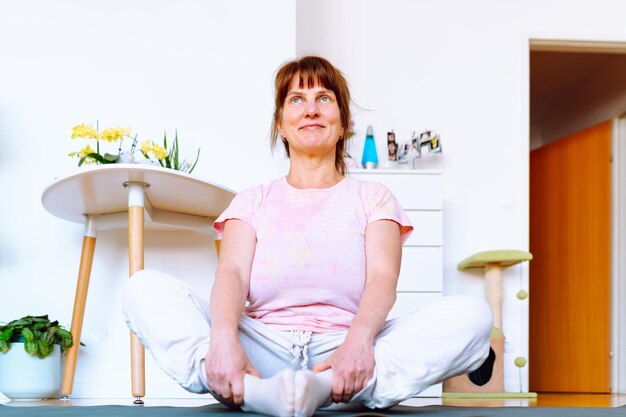
Practice Relaxation Techniques: Techniques such as yoga, meditation, or tai chi can reduce stress and promote relaxation.
-
Keep a Cool Environment: Keeping your living space cool and wearing loose clothing can reduce discomfort from hot flashes and night sweats.
-
Stay Hydrated: Drinking sufficient water throughout the day can help manage symptoms such as bloating and mood swings.
Emotional Well-being During Menopause
Menopause can also have an impact on emotional health, but there are ways to nurture your well-being during this time. Building a supportive community, whether through friends, family, or support groups, can provide a sense of connection and understanding. Engaging in activities that bring joy and fulfillment can also bolster emotional resilience. Furthermore, professional counseling or therapy may be beneficial for those experiencing mood disturbances or anxiety.
Nurturing Balance in Life
Menopause is an opportunity to reassess personal and health priorities, embracing a new chapter of life. Adopting a lifestyle that balances physical health, emotional well-being, and social connections is vital. Regular check-ups with healthcare providers can help monitor health changes and ensure a comprehensive approach to this transition. Additionally, pursuing hobbies, learning new skills, or traveling can add excitement and enrichment to life beyond the menopausal years.
Takeaway
Menopause is a significant life transition, but it doesnâ??t have to be daunting. Understanding what to expect, making lifestyle adjustments, and seeking support when necessary can lead to a balanced and fulfilling post-menopausal life. Remember, itâ??s essential to consult with healthcare professionals for any significant changes in symptoms or when exploring treatment options to ensure a holistic approach to well-being during menopause.
Sources
-
Mayo Clinic Staff. (2023). Menopause. Mayo Clinic.
-
National Institute on Aging. (2023). Menopause: Symptoms and Causes. NIH.
-
North American Menopause Society. (2023). Menopause 101: A Primer for the Perimenopausal.