



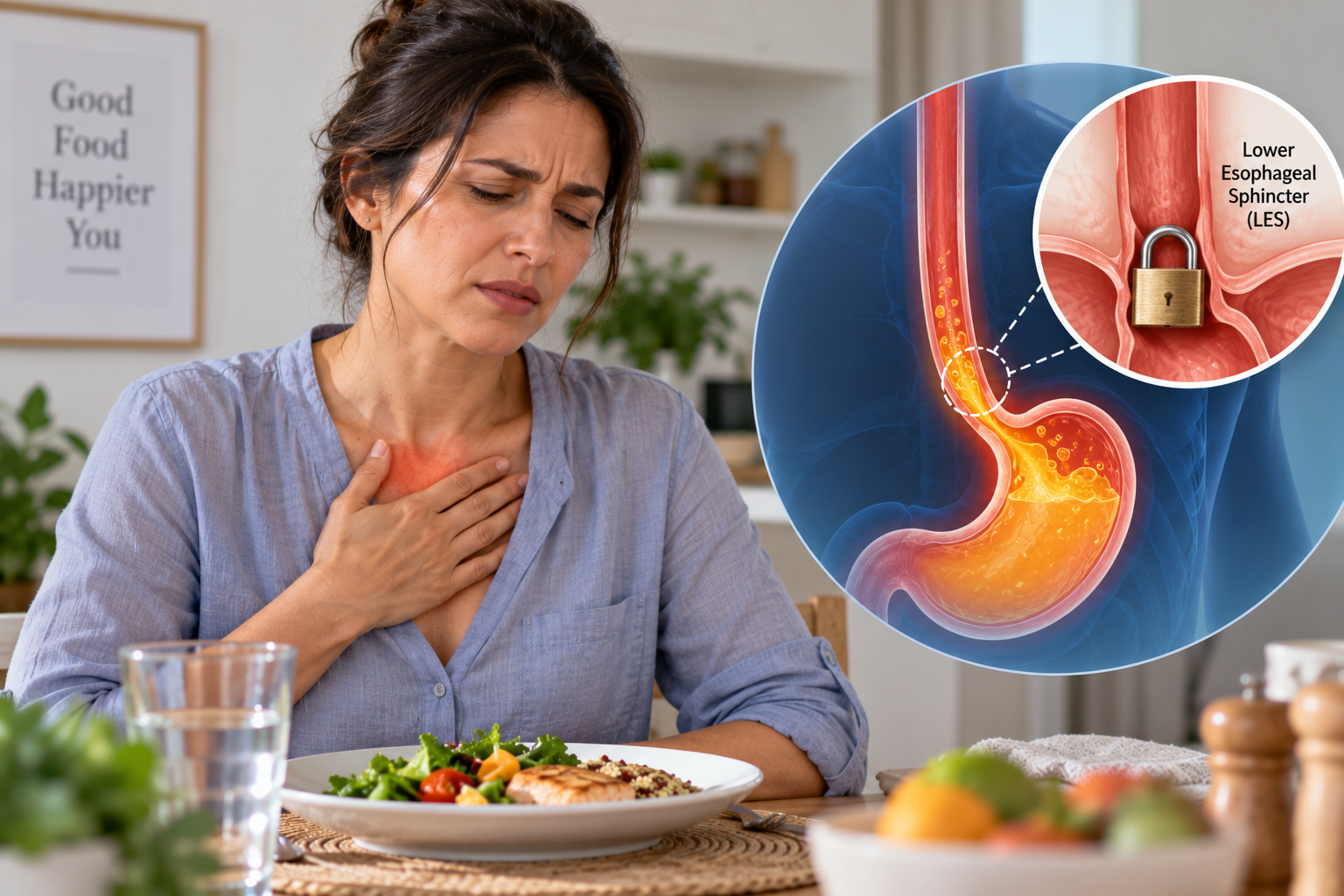
Understanding how esophageal padlocks can significantly influence your health and well-being.
KEY STATISTICS
- Over 20% of adults aged 40-60 experience symptoms of gastroesophageal reflux disease (GERD), often linked to esophageal padlocks.
- Studies show that 75% of individuals with chronic heartburn report a significant impact on their quality of life.
- Research indicates that lifestyle modifications can reduce GERD symptoms by up to 50%.
Imagine enjoying a delightful dinner only to be interrupted by an unsettling burning sensation in your chest. This discomfort, often dismissed as mere indigestion, may be a sign of something more significant: the malfunctioning of esophageal padlocks, or the lower esophageal sphincter (LES). As we age, particularly in our late 30s and 40s, these padlocks can weaken, allowing stomach acid to seep back into the esophagus, leading to heartburn and other health complications.
For many adults, this condition is not just a fleeting annoyance but a persistent struggle that affects daily life. From avoiding certain foods to waking up in the middle of the night with a sour taste in the mouth, the implications of esophageal padlock dysfunction can be profound. Understanding this condition is crucial, especially as research highlights its prevalence and the significant impact on overall health and wellness in midlife adults.
How This Affects Your Body and Biology
The lower esophageal sphincter (LES) acts as a critical barrier between the stomach and esophagus, preventing the backflow of gastric contents. When this muscle weakens or relaxes improperly, it can lead to gastroesophageal reflux (GER), a condition characterized by the upward movement of stomach acid into the esophagus. This not only causes discomfort but can also lead to more severe complications such as esophagitis, Barrett’s esophagus, and even esophageal cancer.
The biological mechanism involves a complex interplay of neural signals, hormonal influences, and mechanical factors that maintain the integrity of the LES.
Additionally, physiological changes that occur with aging can exacerbate this condition. As we enter our 30s and 40s, there is often a decline in muscle tone and elasticity, which can affect the LES’s ability to function effectively. Studies have shown that increased abdominal pressure, often from obesity or pregnancy, can further compromise this sphincter.
Furthermore, dietary habits, such as high-fat meals or excessive caffeine, can lead to transient relaxations of the LES, increasing the risk of reflux events.
- The lower esophageal sphincter (LES) typically prevents stomach acid from entering the esophagus.
- Weakening of the LES can lead to gastroesophageal reflux disease (GERD).
- Age-related changes in muscle tone can exacerbate reflux symptoms.
- Dietary factors significantly influence LES function and reflux severity.
Why Adults in Their 30s and 40s Face Unique Vulnerabilities
Adults in their 30s and 40s often find themselves at a unique intersection of hormonal, metabolic, and lifestyle changes that heighten the risk of esophageal padlock dysfunction. As metabolism slows and body composition shifts due to hormonal changes, particularly in women experiencing perimenopause, susceptibility to conditions like GERD increases. A study published in the Journal of Clinical Gastroenterology found that hormonal fluctuations can directly influence esophageal motility and relaxation of the LES, making this demographic particularly vulnerable.
Moreover, lifestyle factors prevalent in this age group, such as increased stress levels, sedentary behavior, and dietary choices, contribute significantly to the risk of esophageal issues. For instance, stress can elevate cortisol levels, which may lead to increased abdominal pressure and relaxation of the LES. Consequently, the combination of biological and lifestyle factors can create a perfect storm for esophageal health challenges in those aged 35 to 50.
- Hormonal changes, especially in women, can weaken esophageal function.
- Sedentary lifestyles contribute to obesity, increasing GERD risk.
- Stress and its physiological effects can exacerbate reflux symptoms.
Warning Signs and Early Symptoms to Watch For
- Heartburn: A burning sensation in the chest, often after eating.
- Regurgitation: A sour or bitter taste in the mouth caused by acid backing up into the throat.
- Difficulty swallowing: Feeling as though food is stuck in the throat or chest.
- Chronic cough: A persistent cough that may worsen at night.
- Hoarseness: Changes in voice due to acid irritation of the throat.
- Chest pain: Discomfort that may mimic heart-related issues, necessitating medical evaluation.
Evidence-Based Diet and Lifestyle Strategies That Work
Incorporating evidence-based dietary and lifestyle changes can significantly alleviate symptoms associated with esophageal padlock dysfunction. It is essential to focus on a diet low in fat and rich in fiber. Foods such as whole grains, fruits, and vegetables can help maintain a healthy weight and reduce the pressure on the LES.
Additionally, avoiding trigger foods—such as spicy dishes, citrus, and chocolate—can be crucial. Studies have shown that implementing a Mediterranean-style diet can improve gastrointestinal health and reduce reflux symptoms by as much as 40%.
Moreover, lifestyle modifications such as maintaining a healthy weight, engaging in regular physical activity, and eating smaller, more frequent meals rather than large portions can make a significant difference. Keeping a food diary can also help identify specific triggers that exacerbate symptoms. Engaging in stress-reduction techniques such as yoga or meditation can further enhance overall well-being and potentially lessen the frequency of reflux episodes.
- Adopt a Mediterranean-style diet rich in fruits, vegetables, and whole grains.
- Avoid common dietary triggers such as caffeine, alcohol, and chocolate.
- Engage in regular moderate exercise to maintain a healthy weight.
- Practice mindful eating by consuming smaller, more frequent meals.
Your Daily Action Plan Checklist
- Keep a food diary to track meals and symptoms.
- Incorporate at least 30 minutes of moderate exercise into your daily routine.
- Choose fiber-rich foods and avoid high-fat meals.
- Practice stress-reduction techniques such as deep breathing or yoga.
- Limit alcohol and caffeine intake to reduce reflux risk.
- Consult a healthcare provider if symptoms persist or worsen.
The Overlooked Role of Sleep, Stress, and Systemic Health
Chronic stress and poor sleep quality can amplify the effects of esophageal padlock dysfunction. Elevated cortisol levels due to stress can increase abdominal pressure, leading to more frequent reflux episodes. Furthermore, inadequate sleep can impair the body’s ability to regulate hormones that affect gastrointestinal function, exacerbating symptoms.
Research indicates that individuals with sleep apnea are at a higher risk of GERD due to pressure changes in the thoracic cavity.
Understanding the implications of systemic health is vital for managing esophageal issues. Conditions such as obesity, diabetes, and cardiovascular disease can all contribute to the weakening of the LES. By addressing these broader systemic health concerns through lifestyle modifications and preventive measures, individuals can significantly improve their esophageal health.
- Chronic stress raises cortisol levels, increasing reflux risk.
- Poor sleep quality disrupts hormone regulation and gastrointestinal function.
- Systemic health conditions like obesity can exacerbate esophageal dysfunction.
Bottom Line
Understanding the complexities of esophageal padlocks and their impact on health is crucial for adults in their 30s and 40s. By recognizing the warning signs, making informed lifestyle choices, and addressing underlying health conditions, you can take proactive steps toward improving your digestive health and overall quality of life. Empower yourself with knowledge and strategies that can help safeguard your health for years to come.
Health Of State — always consult a qualified healthcare provider before making changes to your health routine.
Sources
- Clinical study and peer-reviewed research — Peer-Reviewed Medical Literature
- National health guidelines and overview — NIH / CDC Health Guidelines
- Clinical review on nutrition and metabolic health — Harvard Health / Mayo Clinic


