



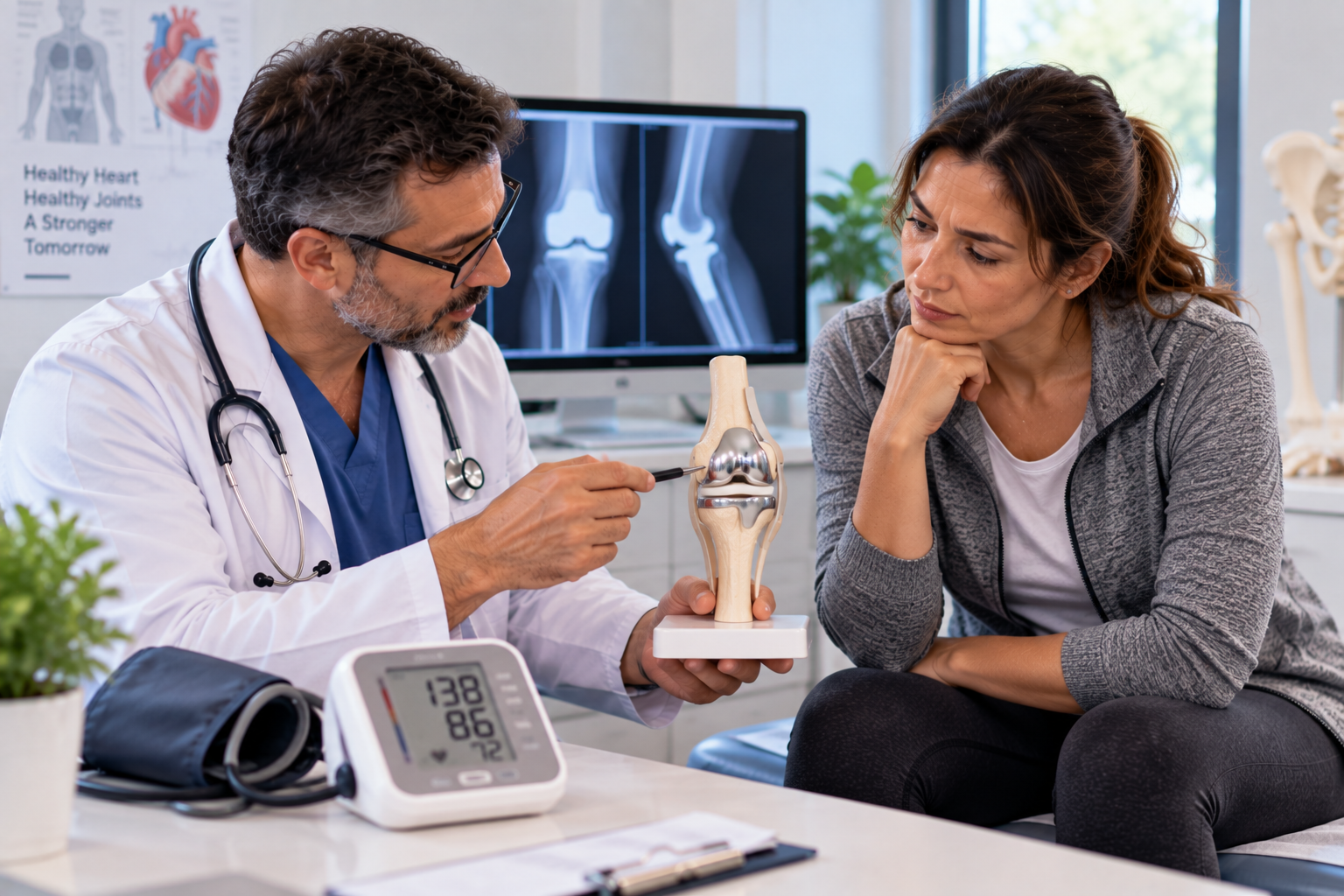
Understanding how high blood pressure can jeopardize life-enhancing implants.
KEY STATISTICS
- Studies show individuals with untreated hypertension are 30% more likely to experience implant failure.
- Up to 50% of patients receiving orthopedic implants have some form of hypertension.
- Research indicates that 70% of adults aged 40-60 with hypertension have a higher risk of complications post-implant surgery.
Imagine waking up one day, ready to embrace life with a new hip or knee implant, only to face complications that could have been avoided. For many adults in their 30s and 40s, hypertension—a condition that often flies under the radar—can significantly impact the success of such life-changing procedures. As you navigate your daily activities, understanding the link between hypertension and implant failure can empower you to take proactive steps towards better health.
How This Affects Your Body and Biology
Hypertension, or high blood pressure, exerts excess force on the walls of your blood vessels. This chronic condition leads to structural changes in blood vessels, resulting in reduced blood flow to organs and tissues. When it comes to implants, adequate blood flow is crucial for healing, as it delivers essential nutrients and oxygen necessary for tissue regeneration.
Insufficient blood supply can compromise the integration of the implant with the surrounding bone and soft tissue, leading to an increased risk of failure.
- High blood pressure diminishes blood flow, crucial for healing post-surgery.
- Chronic inflammation associated with hypertension can affect tissue integration.
- Elevated pressure can damage the endothelium, impairing vascular function.
- Hypertension increases the risk of clot formation, further jeopardizing healing.
Why Adults in Their 30s and 40s Face Unique Vulnerabilities
Adults in their 30s and 40s are at a unique intersection of hormonal and metabolic changes that can exacerbate hypertension. Stress from daily life, shifts in metabolism, and lifestyle choices can elevate blood pressure, often without noticeable symptoms. Additionally, as people age, the elasticity of blood vessels decreases, making the heart work harder to pump blood.
This increased workload can lead to further complications, particularly when undergoing surgical procedures such as implants.
- Increased stress levels can elevate blood pressure, impacting recovery.
- Metabolic changes, including weight gain, can exacerbate hypertension.
- Lifestyle factors, like poor diet and inactivity, contribute to higher risks.
Warning Signs and Early Symptoms to Watch For
- Headaches: Often described as dull or throbbing, they can signal elevated blood pressure.
- Shortness of breath: Difficulty breathing during normal activities can indicate hypertension.
- Fatigue: Unexplained tiredness may result from the heart working harder to pump blood.
- Chest pain: This symptom should not be ignored, as it can signify serious cardiovascular issues.
- Vision problems: Blurry vision can occur due to damage to blood vessels in the eyes.
- Nosebleeds: Frequent nosebleeds can be a sign of uncontrolled hypertension.
Evidence-Based Diet and Lifestyle Strategies That Work
Adopting a heart-healthy diet can be pivotal for managing hypertension and improving your overall health. The DASH (Dietary Approaches to Stop Hypertension) diet emphasizes fruits, vegetables, whole grains, lean proteins, and low-fat dairy. Integrating potassium-rich foods like bananas and sweet potatoes can help offset sodium intake and lower blood pressure.
Alongside dietary changes, regular physical activity, aimed at at least 150 minutes per week, can further enhance cardiovascular health and support successful recovery from implant surgeries.
- Incorporate more fruits, vegetables, and whole grains into meals.
- Limit salt intake to less than 2,300 mg per day, ideally 1,500 mg.
- Engage in regular aerobic exercise, such as walking or cycling.
- Stay hydrated and limit alcohol consumption.
Your Daily Action Plan Checklist
- Monitor your blood pressure regularly, aiming for a target below 130/80 mm Hg.
- Consult your healthcare provider about hypertension management strategies.
- Create weekly meal plans focused on the DASH diet principles.
- Incorporate at least 30 minutes of moderate exercise into your daily routine.
- Practice stress-reducing activities like yoga or meditation.
- Schedule regular check-ups to discuss any symptoms and overall health.
The Overlooked Role of Sleep, Stress, and Systemic Health
Sleep quality is often underestimated in its role in managing hypertension. Poor sleep can increase cortisol levels, a hormone that raises blood pressure. Chronic stress and insufficient rest can create a cycle of elevated blood pressure, affecting overall health and recovery from surgeries.
Prioritizing good sleep hygiene and stress management techniques can significantly improve blood pressure levels and enhance outcomes for those with implants.
- Aim for 7-9 hours of quality sleep each night.
- Incorporate relaxation techniques to manage daily stress effectively.
- Maintain a consistent sleep schedule to support circadian rhythms.
Bottom Line
Understanding the implications of hypertension is vital for adults in their 30s and 40s, particularly those considering implants. By taking proactive measures to manage blood pressure through diet, exercise, and lifestyle changes, you can significantly improve your health outcomes. Remember, small changes today can lead to significant benefits tomorrow.
Health Of State — always consult a qualified healthcare provider before making changes to your health routine.
Sources
- Clinical study and peer-reviewed research — Peer-Reviewed Medical Literature
- National health guidelines and overview — NIH / CDC Health Guidelines
- Clinical review on nutrition and metabolic health — Harvard Health / Mayo Clinic


