



Future of Gene Editing: A Medical Revolution
Unsplash Image Search: gene editing in medicine
Imagine a world where genetic disorders might no longer be a life sentence or where cancer treatments are personalized down to the cellular level. For many adults entering their 40s or beyond, these possibilities hold immense promise. The field of gene editing is rapidly evolving, with CRISPR technology at the forefront, offering potential cures and treatments that seemed unfathomable just a decade ago.
With age comes wisdom, as well as some physical changes that might make us question the science fiction-like advancements in medicine today. Yet, these are not mere fantasies. Gene editing is not only becoming more sophisticated but also accessible, potentially revolutionizing how we approach age-related diseases and genetic disorders. How might this medical revolution shape our future and, more importantly, our health? Let’s explore.
As we age, there’s an increasing focus on maintaining health and vitality. Gene editing offers a horizon filled with hope, even as many of us grapple with real-life scenarios involving energy dips, changes in metabolism, and shifts in mental clarity. Hereâs what you need to know about how gene editing may influence the world of medicine and your health.
The Science of Gene Editing
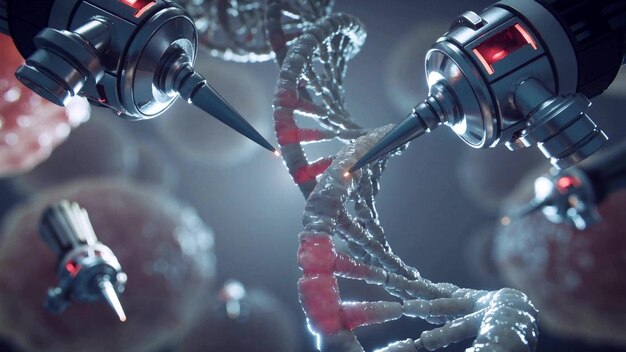
Gene editing, particularly CRISPR-Cas9, allows scientists to alter DNA with unprecedented precision. This technology can correct mutations that cause disease, potentially stopping disorders in their tracks. Recognized for its simplicity and efficiency, CRISPR’s ability to edit genes in living organisms has opened up new vistas in medical research.
-
CRISPR technology enables targeted modifications, reducing the risk of unintended consequences.
-
Research suggests potential applications in potentially eradicating genetic conditions like cystic fibrosis and muscular dystrophy.
Impact on Age-Related Diseases
For the over-40 demographic, gene editing’s impact on age-related diseases cannot be overstated. Conditions such as Alzheimer’s, arthritis, and certain types of cancer are being closely studied with CRISPR applications. Experts note that modifying specific gene expressions associated with these diseases could lead to groundbreaking preventative treatments.
While currently in experimental stages, these advancements indicate a promising shift toward personalized medicine. Precision treatments may one day consider individual genetic makeup and environmental factors, potentially mitigating disease impact with unprecedented accuracy.
Ethical Considerations and Risks
While gene editing represents incredible potential, it also raises ethical questions. How far should we go in altering human genetics? Thereâs a significant difference between treating a disease and enhancing genetic traits. Public discourse and rigorous ethical guidelines are crucial as we navigate these developments.
-
The risk of off-target effects where unintended genes are modified remains a concern.
-
Urging caution, experts emphasize the need for thorough clinical trials to evaluate long-term impacts.
The Road to Clinical Applications
Clinical applications of gene editing are still largely under investigation. Researchers are optimistic but cautious, as gene therapies need to undergo rigorous testing for safety and efficacy before becoming widely available treatments. Nevertheless, the progress is accelerating.
Pharmaceutical companies, academic institutions, and biotech startups are investing heavily in gene editing research. This collaborative effort is aimed at translating lab successes into viable treatments, with promising results emerging each year.
Simple Daily Takeaways
-
Stay informed about emerging gene editing technologies and their potential health benefits.
-
Consider the ethical implications of genetic modifications and engage in informed discussions.
-
Consult with healthcare professionals about potential upcoming applications in treatments.