



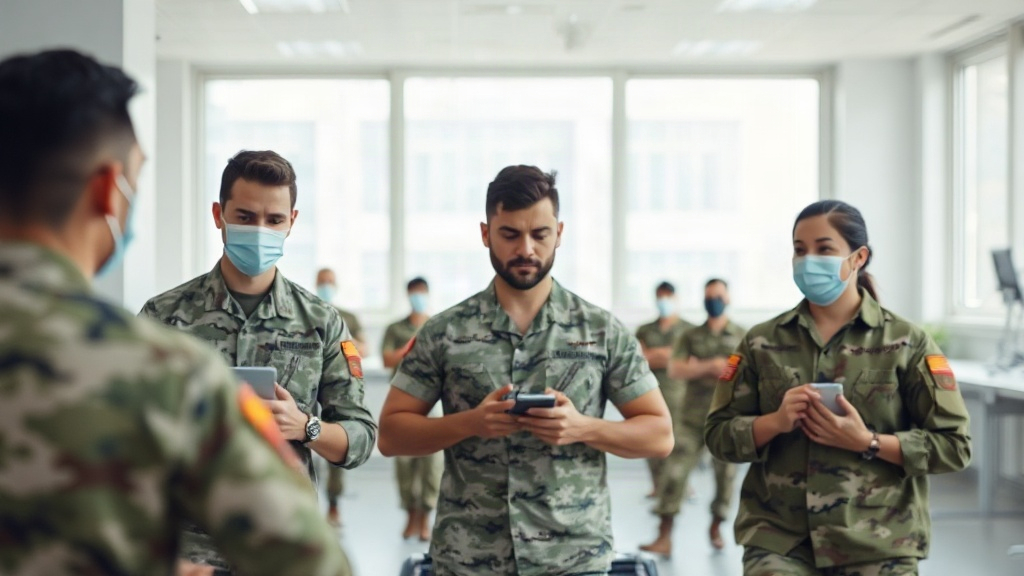
*What the U.S. military learned about rodent-borne illness during large-scale deployments—and what it means for your health.*
KEY STATISTICS
- Military personnel deployed to Southeast Asia during large-scale exercises face elevated exposure to rodent and insect-borne pathogens.
- Diseases transmitted by rodents and parasites require active surveillance systems to prevent outbreaks in high-risk operational environments.
- Early detection programs can reduce infection rates and complications among personnel in field conditions.
When thousands of military personnel gather for joint exercises in tropical regions, they’re doing more than testing combat readiness. They’re entering environments where disease-carrying rodents and parasites thrive—and where traditional health monitoring often falls short. The 2024 and 2025 Balikatan exercises in the Philippines revealed critical gaps in how we track and prevent infections that most civilians never hear about.
Understanding how military medicine approaches these threats offers practical lessons for anyone traveling to high-risk areas or living in regions with similar disease vectors.
How These Diseases Spread
Rodent-borne and ectoparasite-borne diseases are transmitted through direct contact with infected animals, contaminated food and water, or parasites that bite and feed on humans. In crowded field conditions with limited sanitation infrastructure, transmission risk accelerates rapidly.
- Rodents shed pathogens through urine, feces, and saliva—especially during high-population seasons in tropical climates.
- Ectoparasites (ticks, mites, lice) transmit disease directly through feeding and can infect dozens of people in unsanitary conditions.
- Surveillance systems monitor cases early by testing environmental samples and screening personnel for asymptomatic infection.
- Field environments with inadequate waste management and water treatment dramatically increase transmission probability.
Why Older Adults Face Higher Risk
Adults aged 35 to 70 are more vulnerable to severe outcomes from these infections due to age-related changes in immune function and higher rates of chronic conditions. Military personnel in this age range deployed to tropical exercises face compounded risk from reduced field-medicine access.
- Immune response weakens with age, allowing infections to progress faster and cause more serious complications.
- Pre-existing conditions like diabetes, hypertension, and lung disease increase vulnerability to severe infection outcomes.
- Reduced mobility in field settings can delay recognition of symptoms and limit access to medical care.
- Medication interactions and altered drug metabolism in older adults complicate treatment in remote locations.
Watch For These Warning Signs
- Sudden fever, chills, and muscle or joint pain appearing days to weeks after returning from tropical deployment or travel
- Unexplained rash, especially if accompanied by itching, swelling, or spreading patterns across the body
- Persistent headache combined with fatigue, nausea, or sensitivity to light—classic signs of viral transmission
- Gastrointestinal symptoms (diarrhea, nausea, abdominal pain) after exposure to contaminated food or water sources
- Swollen lymph nodes, especially in the neck or groin, paired with fever or malaise
- Respiratory symptoms (cough, shortness of breath) developing after exposure to rodent-contaminated dust or debris
Practical Prevention Strategies
Prevention focuses on eliminating exposure to infected rodents and parasites through environmental control and personal protective measures. Simple behavioral changes significantly reduce infection risk in high-exposure settings and during travel.
- Seal food in airtight containers and avoid contact with rodent droppings; rodent control around living quarters is essential.
- Wear long sleeves, long pants, and consider treated clothing in areas with known tick or mite infestations.
- Sleep under mosquito netting in field conditions; use insect repellent on exposed skin (DEET 20-30% is effective).
- Maintain clean water sources and practice strict hand hygiene before eating; boiling water eliminates most pathogens.
Your 5-Step Action Plan
- Check your destination: review CDC travel health notices and consult a travel medicine specialist before deployment or extended stay in tropical regions.
- Obtain recommended vaccinations: some rodent and parasite-borne diseases have preventive vaccines available through occupational or travel medicine clinics.
- Stock preventive supplies: insect repellent, protective clothing, water purification tablets, and a basic first-aid kit for symptom monitoring.
- Monitor your health immediately after return: track your temperature and symptoms daily for 2-3 weeks; seek testing if fever or unexplained symptoms develop.
- Report exposure history to your doctor: inform medical providers about location, dates, and suspected exposures so they can order appropriate testing.
The Role of Environmental Monitoring
Environmental surveillance—the systematic monitoring of soil, water, and animal populations for disease pathogens—is often overlooked by individuals but proves critical for early outbreak prevention. Understanding how military medicine conducts this surveillance offers insights into personal risk assessment.
- Military surveillance teams test environmental samples to detect pathogen presence before human infections occur, offering weeks of advance warning.
- Civilian travelers can use the same principle: understand local disease reports, water safety alerts, and rodent activity patterns in your destination.
- Regular health screening after high-risk exposure (available through occupational medicine or travel clinics) catches asymptomatic infection early.
- Reporting suspected outbreaks to local health authorities accelerates response and protects your community.
Bottom Line
Rodent and ectoparasite-borne diseases are rare in well-developed regions but pose real risks during travel, military deployment, or work in tropical or field-intensive environments. The surveillance systems tested during major military exercises like Balikatan demonstrate that early detection and prevention are entirely manageable with the right preparation, protective measures, and post-exposure monitoring. If you’re planning extended time in a high-risk region, consult a travel medicine specialist, follow environmental prevention strategies, and remain vigilant for symptoms upon return.
Your age and health history matter—take them seriously when assessing your personal risk profile.
Health Of State — always consult a qualified healthcare provider before making changes to your health routine.
Sources
- Rodent and Ectoparasite-Borne Disease Surveillance Support During the Balikatan Exercise in 2024 and 2025 — Medical journal (Fort Sam Houston, Tex.)
- General Travel Health and Disease Prevention Guidance — CDC — Centers for Disease Control and Prevention
- Infectious Disease and Tropical Medicine Overview — Mayo Clinic


