



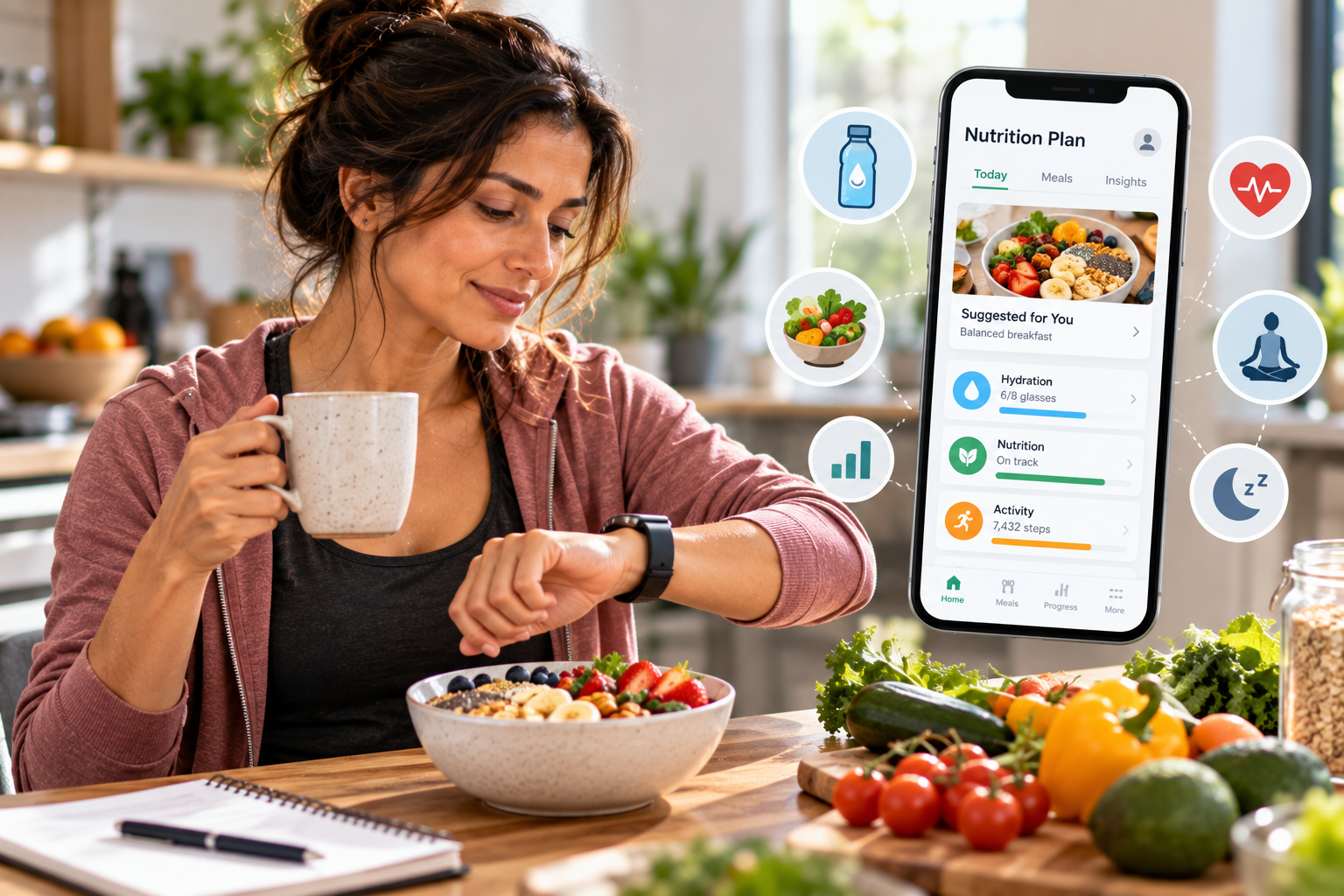
Harnessing technology to transform dietary habits and improve health outcomes.
KEY STATISTICS
- Over 70% of adults aged 35-70 use at least one digital health tool to manage their nutrition.
- Clinical studies show that individuals using mobile apps for dietary tracking lost an average of 1.5 times more weight than those who did not.
- According to the CDC, 60% of adults report improved dietary habits after implementing digital health solutions.
Imagine waking up in the morning, your smartwatch vibrating gently on your wrist, reminding you of your hydration goals and suggesting a healthy breakfast based on your dietary preferences. As you sip your morning coffee, your digital health app alerts you to the latest nutrition trends and meal prep ideas tailored just for you. This is not just a futuristic fantasy; rather, it is the reality for millions of adults in their 30s and 40s who are increasingly turning to digital health solutions to guide their dietary choices and promote healthier living.
The integration of technology into dietetics is revolutionizing how we approach nutrition. With digital tools ranging from smartphone applications that track caloric intake to sophisticated algorithms that offer personalized meal plans, technology is no longer a mere accessory in our health journey but an essential partner. This article delves into the biological and physiological mechanisms by which digital health influences dietetics, particularly for adults navigating the unique challenges of midlife.
How This Affects Your Body and Biology
Digital health technologies, particularly those focusing on dietary management, can lead to significant physiological changes. When individuals use apps to log their food intake, they often become more mindful of their eating habits. This mindful eating can positively influence the gut-brain axis, a complex communication network involving the gastrointestinal tract and the central nervous system.
Research shows that improved dietary awareness can lead to better choices, such as increasing fiber intake and reducing saturated fats, which can enhance gut microbiota diversity and improve metabolic health.
Moreover, the use of digital health tools can facilitate the tracking of macronutrients and micronutrients, helping users achieve a balanced intake. For instance, a study published in the *Journal of Nutrition* found that individuals utilizing digital food diaries were more likely to meet their recommended daily allowances (RDAs) for essential nutrients. This nutritional adequacy is vital for maintaining cellular functions and preventing chronic diseases, which is especially relevant for adults in their late 30s and 40s who may be experiencing metabolic slowdowns.
- Digital health tools promote mindful eating, improving the gut-brain axis.
- Tracking food intake increases awareness of dietary habits and nutrient intake.
- Enhanced dietary management can improve gut microbiota diversity.
- Nutritional adequacy helps in preventing chronic diseases.
Why Adults in Their 30s and 40s Face Unique Vulnerabilities
Adults in their 30s and 40s often encounter metabolic and hormonal changes that can complicate dietary management. As we age, hormonal shifts, such as decreased estrogen and testosterone levels, can lead to changes in body composition and fat distribution, often resulting in increased visceral fat. This type of fat is particularly concerning as it is linked to insulin resistance and other metabolic disorders.
Additionally, the decline in basal metabolic rate (BMR) can make it harder to maintain weight, despite similar or even reduced food intake.
Further complicating matters, stress levels often peak during these decades due to career pressures and family responsibilities. Chronic stress can elevate cortisol levels, which not only influences appetite but also leads to cravings for high-calorie, low-nutrient foods. This interplay between stress, hormonal changes, and dietary choices creates a perfect storm for weight gain and related health issues.
- Hormonal changes can lead to increased visceral fat and insulin resistance.
- Decreased basal metabolic rate complicates weight maintenance.
- Chronic stress elevates cortisol, influencing cravings for unhealthy foods.
Warning Signs and Early Symptoms to Watch For
- Unexplained weight gain, especially around the abdomen, indicating possible metabolic changes.
- Increased fatigue despite adequate sleep, which could signal nutrient deficiencies or hormonal imbalances.
- Frequent cravings for sugary or high-fat foods, often linked to stress and cortisol dysregulation.
- Digestive issues such as bloating or irregular bowel movements, suggesting potential gut microbiota imbalance.
- Heightened anxiety or mood swings, which may correlate with dietary changes and nutritional intake.
- Increased blood pressure or sugar levels, often detected during routine health screenings.
Evidence-Based Diet and Lifestyle Strategies That Work
Incorporating evidence-based dietary strategies can significantly enhance the effectiveness of digital health tools. One of the most effective approaches is to focus on whole foods, which are minimally processed and nutrient-dense. Eating a variety of fruits, vegetables, whole grains, and lean proteins can help meet the body’s nutritional needs while reducing the intake of added sugars and unhealthy fats.
Research indicates that diets rich in fiber and antioxidants can improve metabolic health and reduce inflammation, both of which are crucial for adults in their 30s and 40s.
Another significant strategy involves utilizing technology for meal planning and preparation. Digital platforms can provide personalized recipes based on dietary preferences and restrictions, which can simplify the process of maintaining a healthy diet. Studies suggest that individuals who engage in structured meal planning are more likely to adhere to healthy eating patterns and experience better weight management outcomes.
Additionally, practicing mindful eating—taking time to savor each bite and listen to hunger cues—can further enhance dietary compliance and satisfaction.
- Prioritize whole foods rich in nutrients and antioxidants.
- Use digital tools for personalized meal planning and recipe suggestions.
- Practice mindful eating to enhance satisfaction and compliance.
- Incorporate regular physical activity to boost metabolism and overall health.
Your Daily Action Plan Checklist
- Download a reputable digital health app focused on nutrition.
- Plan your meals for the week, incorporating a variety of whole foods.
- Track your daily food intake to increase awareness and mindfulness.
- Engage in at least 30 minutes of physical activity most days.
- Set specific, achievable health goals and monitor your progress in the app.
- Prioritize stress management techniques, such as mindfulness or yoga.
The Overlooked Role of Sleep, Stress, and Systemic Health
The significance of sleep cannot be overstated, particularly for adults in their 30s and 40s. Research shows that inadequate sleep can lead to hormonal imbalances that affect appetite-regulating hormones, such as ghrelin and leptin. This disruption can increase cravings and lead to weight gain.
Furthermore, chronic stress can exacerbate these effects, creating a cycle that is difficult to break. Poor sleep quality and high stress levels can both contribute to increased inflammation, which has been linked to numerous chronic diseases, including diabetes and cardiovascular issues.
To mitigate these effects, it is essential to create a holistic health approach that incorporates good sleep hygiene, stress management, and balanced nutrition. Practices such as maintaining a consistent sleep schedule, creating a restful sleep environment, and employing relaxation techniques can enhance sleep quality, reduce stress, and ultimately support better dietary choices.
- Inadequate sleep disrupts appetite-regulating hormones, increasing cravings.
- Chronic stress can lead to weight gain and metabolic issues.
- Healthy sleep hygiene and stress management support better dietary choices.
Bottom Line
In this digital age, leveraging technology in our dietary practices is not just a convenience; it is a necessity for maintaining health and well-being. For adults in their 30s and 40s, understanding the unique challenges posed by hormonal changes, stress, and lifestyle factors is crucial. By utilizing digital health tools alongside evidence-based dietary strategies, individuals can take proactive steps toward achieving their health goals, ultimately leading to a longer, healthier life.
Health Of State — always consult a qualified healthcare provider before making changes to your health routine.
Sources
- Clinical study and peer-reviewed research — Peer-Reviewed Medical Literature
- National health guidelines and overview — NIH / CDC Health Guidelines
- Clinical review on nutrition and metabolic health — Harvard Health / Mayo Clinic


