



Dietary Habits and Cognitive Decline
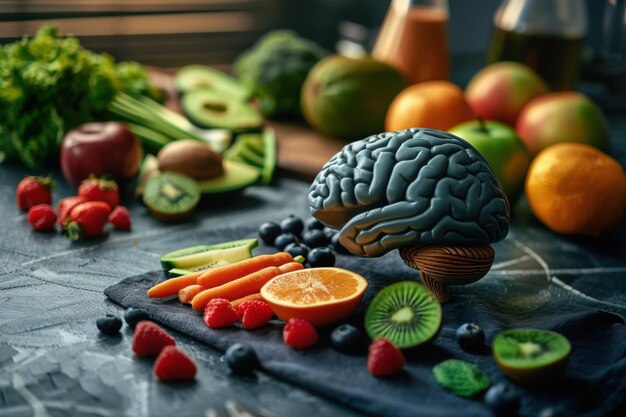
Unsplash Image Search: healthy eating for brain health
Living in a world driven by fast-paced routines and quick fixes often leads us to make dietary choices that don’t always favor our long-term health goals. This is of particular concern for adults over 40, keen on maintaining cognitive vigor as they age. You may already be aware of the general need for balanced nutrition, but how do specific dietary habits contribute to, or potentially hinder, cognitive health?
The journey into understanding the relationship between diet and cognitive decline is not just about staving off forgetfulness. Instead, it’s about nourishing your mind, preserving clarity, and enhancing overall life quality. As scientific research unveils more about the brain-gut connection, the choices made at each meal increasingly appear as bricks laid on the road of cognitive wellness.
While no single food can claim the crown of cognitive preservation, certain dietary habits collectively support cognitive function. Letââ¬â¢s delve into how what we eat deeply influences our mental sharpness.
The Impact of Processed Foods
It’s easy to succumb to the allure of processed foods ââ¬â they offer convenience and a burst of flavor that naturally entices. However, research suggests that a diet high in processed foods is associated with diminished cognitive function over time. These foods often lack essential nutrients and are typically laden with unhealthy fats, sugars, and sodium.
-
High consumption of trans fats found in processed snacks and baked goods can lead to memory impairments.
-
Excessive sugar intake is linked to an increased risk of developing conditions recently studied in relation to cognitive decline.
Choosing whole, unprocessed foods more frequently can contribute positively to brain health, possibly reducing the velocity of cognitive decline.
The Mediterranean Connection
The Mediterranean diet, rich in fruits, vegetables, whole grains, and healthy fats, has consistently been highlighted for its potential to support brain health. Experts note that this dietary pattern may reduce the risk of cognitive decline and improve overall brain function.
-
Anti-inflammatory properties found in olive oil and nuts may support brain health.
-
Omega-3 fatty acids in fatty fish are known to promote brain cell growth and neuron communication.
Adopting elements of the Mediterranean diet could be a strategic move towards maintaining mental sharpness while enjoying flavorful, nutrient-dense meals.
Hydration: More Than Just Water
Staying hydrated is crucial but often overlooked in conversations about cognitive health. Dehydration can contribute to confusion, decreased concentration, and overall cognitive fatigue. Beyond water, some beverages offer additional mental benefits.
-
Green tea contains antioxidants that may support brain function and alertness.
-
Moderate coffee consumption has been associated with enhanced memory and cognitive performance.
Regularly integrating these beverages in moderation into your day could help in maintaining mental clarity and alertness.
The Importance of Meal Timing
When you eat can be just as influential as what you eat. Emerging studies suggest meal timing associated with maintaining consistent energy levels and cognitive performance throughout the day.
-
Irregular eating patterns might lead to fluctuations in energy, affecting focus and mental acuity.
-
Eating smaller, balanced meals more frequently can help maintain glucose levels, supporting sustained cognitive function.
Adopting regular meal times may aid not only in maintaining energy but also in fostering better mental processes and productivity.
Simple Daily Takeaways
-
Incorporate more whole and unprocessed foods into meals.
-
Consider adopting elements of the Mediterranean diet.
-
Hydrate regularly and opt for brain-boosting beverages.
-
Maintain consistent meal timings for balanced energy.
Your cognitive health narrative is partly written by what and how you eat. Embracing thoughtful dietary habits can play a pivotal role in fostering a sharper, healthier mind as you navigate the years beyond 40.