



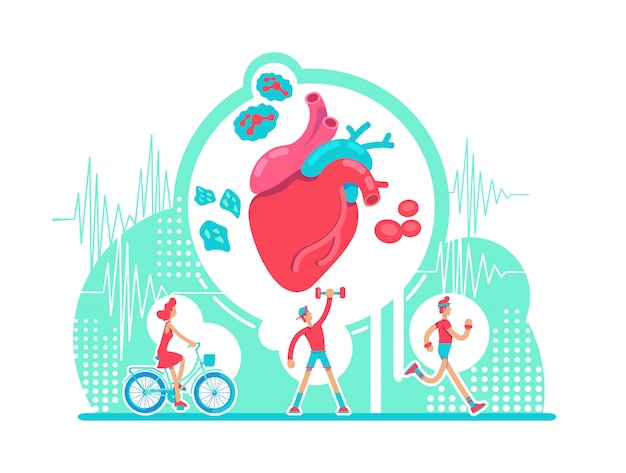
Cardiovascular Health: New Medical Frontiers
Unsplash Image Search: cardiovascular health
The steady beat of a heart is more than just a rhythm; it’s the music of a well-lived life. As we journey through our 40s and beyond, the notes of life may introduce some unexpected changes. Yet, this new chapter allows for a deeper awareness of our cardiovascular wellness, underscoring its central role in our overall health. Understanding new medical frontiers could not only illuminate whatâs happening within but foster a proactive approach to maintaining a heart-healthy lifestyle. Letâs explore how emerging insights and technologies are paving the way for these new developments.
Imagine waking up with a renewed sense of energy, feeling rested and focused. Now picture strolling through the park, each step feeling lighter due to an invigorated sense of health. What if modern medicine could support such aspirations by addressing cardiovascular concerns before they become problems? This is not a distant dream but a burgeoning reality drawing closer with each medical advancement.
The landscape of cardiovascular health is rapidly evolving, with science and technology at the forefront. The promise of earlier detection, personalized treatments, and prevention-focused care are poised to redefine our understanding of heart health. But what do these advancements mean for you, especially if you’ve noticed shifts in your energy or the fine balance of metabolism?
Understanding Genetic Mapping and Heart Health
Introducing groundbreaking achievements in genetic mapping offers a fascinating glimpse into personal health. Research suggests that our genetic code hosts valuable blueprints regarding susceptibility to various cardiovascular conditions. By comprehensively mapping these genetic markers, doctors can predict an individual’s risk factors more accurately than ever before.
With this information, healthcare professionals might tailor lifestyle recommendations and medical interventions that align closely with your unique genetic makeup. Experts note this level of specificity aids in targeting prevention strategies, potentially delaying or averting onset of cardiovascular ailments.
The Role of Artificial Intelligence in Early Detection
With advancements in artificial intelligence (AI), heart health monitoring is undergoing a transformation. AI’s ability to analyze vast arrays of medical data may support doctors in identifying early warning signs of heart disease that might otherwise be overlooked during routine check-ups.
These AI systems are being designed to spot intricate patterns and subtle changes in diagnostic tests, offering potential for early intervention. This technology aims to work as an assistant to cardiologists, transforming masses of data into actionable insights and revolutionizing the way we approach heart health monitoring.
Revolutionizing Cardiovascular Imaging
Modern imaging techniques like 3-D heart scans and advanced MRIs are changing how we visualize cardiovascular health. These technologies enable detailed views of the heartâs structure, making it easier for physicians to diagnose and manage conditions.
-
3-D imaging allows for more precise examination of heart valves and vessels.
-
Advanced imaging supports the detection of plaque build-up and other potential problems.
-
Reduced need for invasive procedures due to clearer, more comprehensive imaging data.
As these tools become more widespread, patients benefit from procedures that are not only less invasive but more accurate.
Innovation in Treatment Options
The field of cardiovascular care is ripe with novel treatment methods. From cutting-edge drugs to minimally invasive procedures, the potential for tailored therapies is enormous.
-
Personalized medicine offers treatments based on individual genetic profiles, which may support better outcomes.
-
Minimally invasive procedures are connected to shorter recovery times and less discomfort.
-
Biologic therapies, which involve using living organisms to combat disease, are paving the way for future treatment possibilities.
These innovations reflect a shift from one-size-fits-all to patient-centric care, changing the narrative from treatment to prevention and management.
Simple Daily Takeaways
While cutting-edge technology and research are exciting, practicing heart-healthy habits daily remains foundational. Here are some practical actions you can integrate into your routine:
-
Keep moving ââ¬â Aim for 150 minutes of moderate exercise each week to support cardiovascular health.
-
Eat heart-smart ââ¬â Focus on fruits, vegetables, lean proteins, and whole grains.
-
Monitor your numbers ââ¬â Regularly check blood pressure, cholesterol, and blood sugar levels.
-
Mind your stress ââ¬â Engage in activities such as meditation or hobbies that promote relaxation.
-
Stay connected ââ¬â Meaningful relationships and social interactions can boost your mental and physical well-being.