



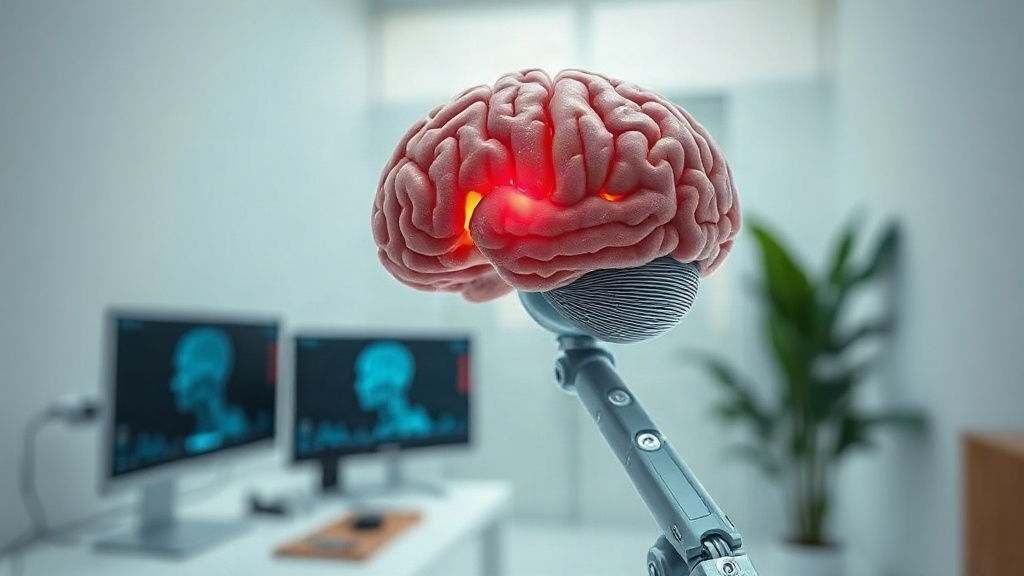
How machine learning is improving MRI accuracy for adults over 50
KEY STATISTICS
- Brain tumor diagnosis depends heavily on radiologist interpretation, where subtle details on MRI can be easily missed.
- Machine learning models are increasingly being integrated into diagnostic workflows to enhance detection accuracy.
- Artificial intelligence tools show promise in identifying tumor characteristics that may escape the human eye on standard imaging.
You’ve just had an MRI for headaches that won’t quit. Your doctor says it looks normal, but the concern lingers. What if something small was missed?
Researchers at the cutting edge of medical imaging are now using artificial intelligence systems to catch brain tumors that traditional analysis might overlook. A new framework combining advanced machine learning with medical imaging is showing how technology can augment human expertise—not replace it—to give people like you a clearer picture of what’s really happening inside your head.
How AI Reads Your Brain MRI
Brain tumor detection on MRI relies on radiologists spotting abnormal tissue patterns in complex, high-resolution images. New AI systems are being designed to analyze these images layer by layer, learning to recognize subtle tumor signatures that might take years of training for a human expert to master. These systems also explain their reasoning in plain terms, making doctors more confident in the diagnosis.
- Denoising autoencoders clean up image noise before analysis, making tumor features sharper and easier to detect.
- ResNet 50 deep learning architecture processes images through multiple layers to recognize complex tumor patterns automatically.
- Explainability features show exactly which areas of the MRI influenced the AI’s conclusion, building clinician trust.
- The combined system achieves higher accuracy than traditional visual interpretation alone on standard imaging protocols.
Why Over-50 Readers Need This
Adults over 50 face a rising incidence of brain tumors, and early detection becomes increasingly important as treatment options depend on catching disease at earlier stages. Your vision and neurological function can decline rapidly if a growing tumor goes undiagnosed. Existing diagnostic tools, while reliable overall, can miss smaller or atypical lesions—exactly where AI assistance offers the most benefit.
- Brain tumor incidence increases with age; people 50+ represent a significant portion of new diagnoses.
- Radiologists interpret hundreds of scans daily; fatigue and variation in expertise can lead to missed findings.
- Early intervention improves outcomes; AI-assisted detection catches subtle changes before symptoms worsen significantly.
- Aging brains show more image complexity, making human-only review more prone to overlooking small lesions.
Watch for These Symptoms
- Persistent headaches that don’t respond to over-the-counter medication or change in headache pattern.
- Vision problems, dizziness, balance difficulties, or unexplained nausea without obvious cause.
- Memory lapses, difficulty concentrating, or personality changes that friends or family notice.
- Seizures (especially new-onset seizures in adults over 50) or unexplained weakness on one side of the body.
- Hearing loss in one ear or persistent ringing in the ears without prior noise exposure.
Supporting Brain Health Daily
While AI tools cannot prevent tumors, certain lifestyle factors may support brain health and help you stay alert to subtle changes. Maintaining cardiovascular fitness, managing blood pressure, and reducing head injury risk all support overall neurological resilience. Equally important is building a relationship with your primary care doctor so unusual symptoms are investigated promptly rather than dismissed.
- Regular aerobic exercise increases blood flow to the brain and may support cognitive resilience.
- Blood pressure control (target below 130/80 for most adults) protects brain tissue from long-term damage.
- Limit head injury risk: wear seatbelts, use helmets during activities, and fall-proof your home.
- Maintain cognitive engagement through reading, learning, and social connection—activities that keep neural pathways active.
What to Do Right Now
- Schedule your annual check-up and mention any new headaches, vision changes, or cognitive concerns to your doctor explicitly.
- If you’ve had an MRI that was called ‘normal’ but symptoms persist, ask your doctor about a second opinion from another radiologist.
- Request your MRI images on CD so you have a copy; share them with any specialist you see.
- Keep a symptom journal for 2–3 weeks if you experience new headaches or neurological changes, noting timing, severity, and triggers.
- Ask your doctor whether AI-enhanced imaging is available at your local diagnostic center if you require future MRI studies.
Why Explainability Matters
The radiologist shortage in many regions means doctors are increasingly overburdened, and AI offers a practical solution. Think of it as a tireless second set of eyes reviewing your scan before your doctor does. This technology doesn’t make the human expert less important—it frees them to focus on the most complex cases and spend time interpreting results with confidence.
- Opacity (black-box AI) erodes doctor trust; knowing why the system flagged a finding builds confidence in results.
- Explainable AI shows which image regions triggered concern, letting radiologists verify findings before reporting to patients.
- Transparency allows regulators and clinicians to audit and validate AI performance over time, ensuring ongoing safety.
- Patient conversations improve when doctors can explain not just ‘the AI found this’ but ‘here’s the specific feature it detected.’
Bottom Line
Brain tumor detection is improving thanks to AI systems that combine computational power with explainability. If you’re over 50 and experiencing new neurological symptoms, you deserve imaging that leaves nothing to chance. Modern diagnostic tools—whether AI-enhanced or not—are most effective when paired with your own awareness of your body and a doctor who takes your concerns seriously.
Don’t wait for symptoms to worsen; get imaging reviewed promptly, and ask about advanced diagnostic options at your center.
Health Of State — always consult a qualified healthcare provider before making changes to your health routine.
Sources
- Denoising autoencoder-enhanced ResNet 50 framework for explainable brain tumor classification using MRI — Frontiers in Oncology
- Brain and nervous system health overview — Mayo Clinic
- General brain tumor information — National Institutes of Health (NIH)


