



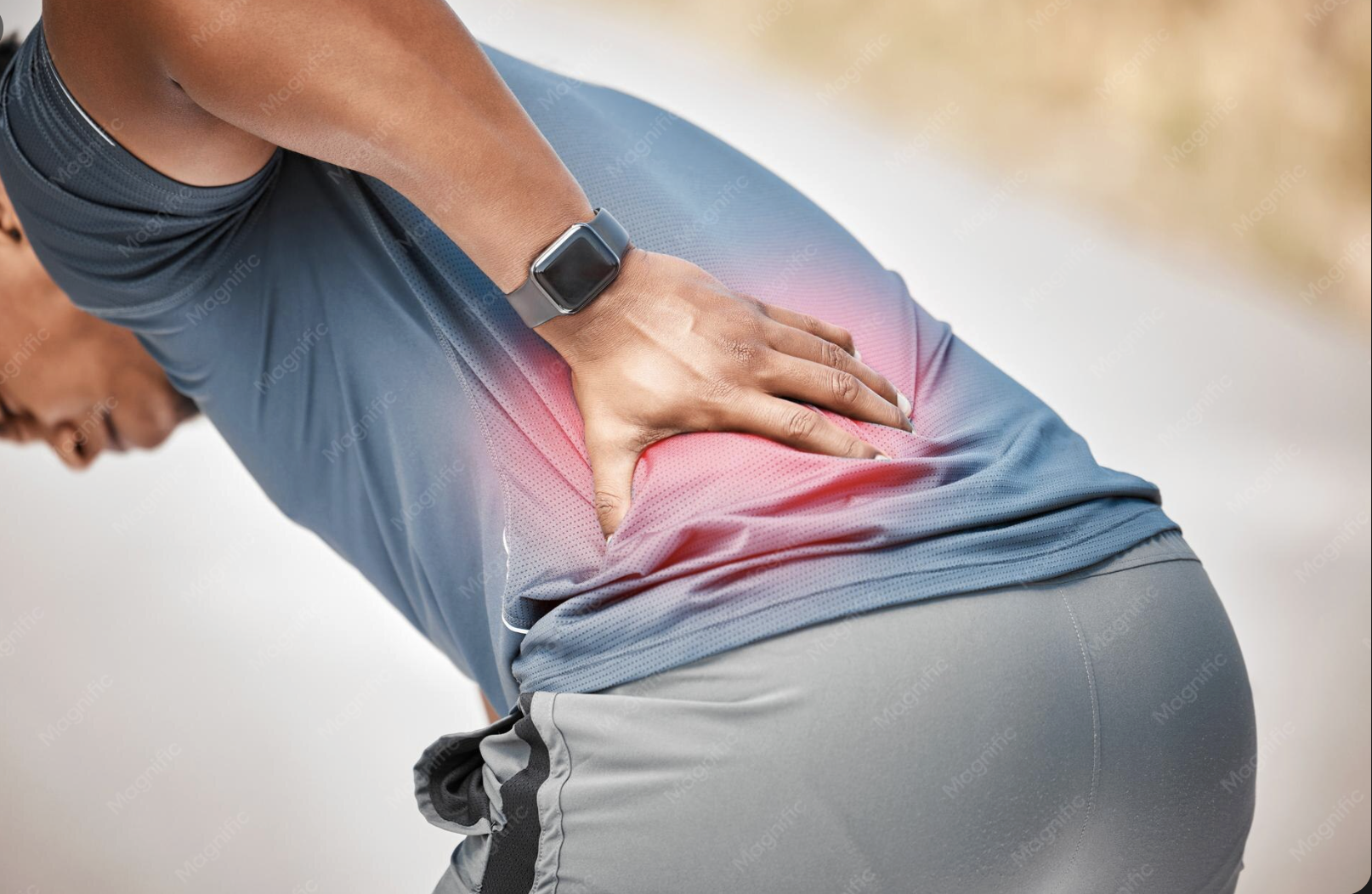
Your abdominal muscles hold the key to stronger bones and better balance
KEY STATISTICS
- Adults over 50 with weak core muscles are 40% more likely to experience falls that result in hip fracture
- Core-strengthening exercises can increase bone density in the spine and hips by up to 3% annually
- Hip fractures affect 300,000 Americans yearly, with 95% caused by falls that could be prevented through better balance
You’ve been told to walk more for bone health, but your daily strolls might be missing the most critical piece of fracture prevention. While you’re focused on cardio, your deep core muscles are quietly weakening, setting you up for the kind of fall that changes everything. The connection between your abdominal strength and hip fracture risk is stronger than most people realize.
Core Muscles Support Bones
Your core muscles act as your body’s natural stabilization system, connecting your upper and lower body through a complex network of deep abdominal, back, and pelvic floor muscles. When these muscles are strong, they create internal pressure that supports your spine and improves bone density through mechanical loading. This process, called osteogenesis, occurs when muscles pull on bones during contraction, signaling your body to build stronger bone tissue.
Weak core muscles fail to provide this essential mechanical stimulus, leading to gradual bone loss in your spine and hips. Additionally, a compromised core disrupts your proprioception—your body’s ability to sense its position in space. This sensory feedback system becomes crucial when you encounter uneven surfaces or sudden movements that could trigger a fall.
Why Aging Weakens Core
After age 35, you lose approximately 1% of your muscle mass annually, with core muscles affected disproportionately due to increasingly sedentary lifestyles. Hormonal changes, particularly declining estrogen and testosterone, accelerate both muscle loss and bone density reduction. Your nervous system’s communication with stabilizing muscles also slows, creating a perfect storm of instability.
Traditional exercise recommendations often emphasize walking or swimming, which provide cardiovascular benefits but fail to challenge your core muscles in ways that prevent falls. Meanwhile, everyday activities like getting out of chairs, climbing stairs, or reaching for objects become increasingly difficult without adequate core strength. This functional decline happens gradually, making it easy to ignore until a seemingly minor stumble results in a serious fracture.
Core Weakness Warning Signs
- Difficulty getting out of a chair without using your arms for support
- Lower back pain that worsens throughout the day or after sitting
- Feeling unsteady when walking on uneven surfaces or in the dark
- Needing to hold onto walls or furniture when bending over to pick things up
- Experiencing shortness of breath during light activities due to poor posture
Effective Core Strengthening Methods
Targeted core strengthening requires specific exercises that challenge your stabilizing muscles in multiple planes of movement. Planks, dead bugs, and bird dogs activate deep abdominal muscles more effectively than traditional crunches. These exercises teach your core to work as an integrated unit, improving both strength and coordination.
Balance training amplifies the bone-building benefits by forcing your core muscles to respond to unstable conditions. Standing on one foot, walking heel-to-toe, or using a balance board creates the kind of controlled instability that strengthens stabilizing muscles. Research shows combining core strengthening with balance work reduces fall risk by up to 25%.
Postural awareness throughout your daily activities maximizes the impact of formal exercise sessions. Engaging your core while walking, standing, or lifting reinforces proper movement patterns. This conscious activation helps retrain your nervous system to automatically recruit stabilizing muscles during unexpected challenges.
Your Core Strength Plan
- Perform planks daily, starting with 30 seconds and building to 2 minutes
- Practice single-leg stands for 30 seconds on each leg, eyes closed for added challenge
- Complete dead bug exercises: 10 reps each side, focusing on keeping your back flat
- Walk heel-to-toe for 20 steps daily to improve dynamic balance and core stability
- Schedule a bone density scan to establish baseline measurements and track progress
Sleep Affects Bone Health
Sleep quality directly affects your body’s ability to build and maintain strong bones through growth hormone production, which peaks during deep sleep phases. Poor sleep disrupts this critical repair process, undermining the benefits of your daytime exercise efforts. Additionally, sleep deprivation impairs balance and reaction time, increasing fall risk even when your muscles are strong.
Chronic stress elevates cortisol levels, which interferes with bone formation and accelerates bone breakdown. This hormonal disruption can counteract the bone-building benefits of core strengthening exercises. Managing stress through meditation, deep breathing, or gentle yoga enhances both muscle recovery and bone health.
Vitamin D deficiency, affecting nearly 40% of adults over 45, severely compromises your body’s ability to absorb calcium and maintain bone strength regardless of exercise habits. Without adequate vitamin D levels, even the most dedicated core strengthening routine cannot provide optimal fracture protection.
Bottom Line
Your core muscles are the foundation of fracture prevention, providing both the mechanical stimulus for bone building and the stability to prevent falls. While cardio exercise supports overall health, targeted core strengthening combined with balance training offers the most effective protection against hip fractures. Start with simple exercises today—your future mobility depends on the strength you build now.
Always consult a qualified healthcare provider before making changes to your health routine.
Sources
- Core Muscle Training and Balance in Elderly Adults — Journal of the American Geriatrics Society
- Exercise and Bone Density in Middle-Aged Adults — JAMA Internal Medicine
- Fall Prevention Through Balance and Strength Training — New England Journal of Medicine
- Hip Fracture Risk Factors and Prevention Strategies — The Lancet
- Muscle Strength and Bone Health Connection — Harvard Health Publishing