



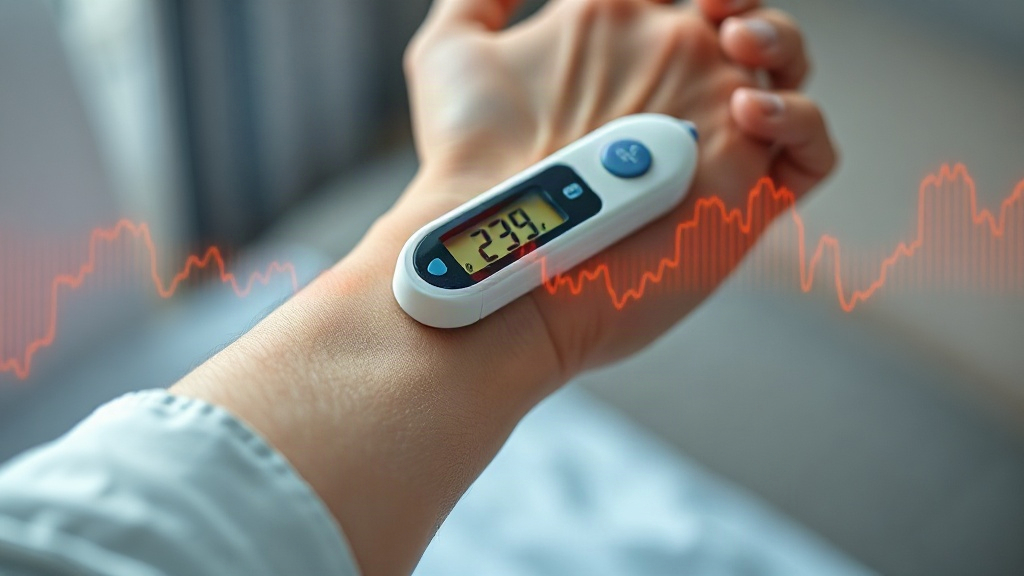
*How doctors are using temperature trends—not just thermometer readings—to catch life-threatening infections earlier in children*
KEY STATISTICS
- Sepsis remains a leading cause of hospital mortality in pediatric patients, with early detection critical to survival.
- Temperature trajectory patterns—the shape and direction of fever over time—show promise as predictive markers for severe outcomes.
- Multicenter analysis of over 6 years of pediatric sepsis data identified distinct fever phenotypes linked to disease progression and prognosis.
You check your child’s temperature and it reads 101°F. Your pediatrician notes it and sends you home. But what if the real risk isn’t the number itself—it’s the *pattern* your child’s fever follows?
A major retrospective study of pediatric sepsis reveals that how a fever evolves over hours and days may be just as important as how high it climbs. This shift in thinking could change how hospitals detect and respond to life-threatening infections before they spiral into sepsis.
What Temperature Patterns Reveal
Sepsis is your body’s dangerous overreaction to infection—your immune system attacks your own tissues along with invading germs. Researchers are now looking beyond single temperature readings to study fever *trajectories*: the direction, speed, and pattern of temperature change over time. This data-driven approach reveals that children with sepsis don’t all fever the same way.
- Fever trajectory—how temperature rises, plateaus, or falls—creates distinct patient phenotypes linked to immune response intensity.
- Some children show persistent high fever; others show rapid spikes followed by drops, indicating different underlying infection severities.
- These patterns emerged from analyzing thousands of pediatric patients across multiple hospitals between 2012 and 2018, validating them in real clinical settings.
- Early fever pattern recognition may allow clinicians to stratify risk and tailor treatment intensity before complications develop.
Why Children Remain Vulnerable
Children under 5 and adolescents aged 12–17 face distinct sepsis vulnerabilities. Younger children have developing immune systems that struggle to mount appropriate responses, while adolescents often present with atypical symptoms that delay diagnosis. The fever patterns that emerge differ significantly between age groups, meaning recognition requires age-specific awareness.
- Infants and toddlers show fever patterns that may be flatter or more erratic than older children, complicating early detection.
- Adolescents often suppress or hide symptoms, leading clinicians to misinterpret fever trajectories as mild viral illness.
- Previous infections and vaccination status shape individual fever responses, making baseline patterns difficult to establish without prior history.
Watch for These Fever Patterns
- Fever that returns or rebounds after appearing to break—spikes after 12–24 hours of relative stability suggest worsening infection.
- Temperature changes that don’t match other vital signs—fever without corresponding increase in heart rate or breathing may indicate sepsis rather than simple infection.
- Fever accompanied by extreme lethargy, unresponsiveness, or difficulty waking—behavioral changes matter more than the thermometer number.
- Fever combined with skin rash, particularly petechial (pinpoint) or purpuric (large purple) spots that don’t blanch when pressed.
- Rapid temperature spike (over 2°F per hour) followed by an abrupt drop into normal or subnormal range—this pattern signals severe systemic response.
- Persistent low-grade fever (99–101°F) lasting over 5 days without improvement in other symptoms or signs of localized infection.
Building Immune Resilience
Preventing sepsis starts well before fever appears. Strong baseline health—through consistent sleep, nutrition, and hygiene—helps your child’s immune system respond appropriately to infection. While fever patterns themselves can’t be prevented, robust health practices reduce the likelihood of minor infections progressing to sepsis.
- Consistent sleep schedules (9–12 hours for children, 8–10 for adolescents) support immune cell production and appropriate inflammatory response.
- Balanced nutrition with adequate protein, zinc, and vitamins A and C strengthens both innate and adaptive immune function.
- Handwashing and respiratory hygiene reduce infection exposure; when infections do occur, earlier treatment prevents progression to sepsis.
Your Action Plan Checklist
- Keep a simple fever log: record temperature, time, and concurrent symptoms (cough, rash, behavior) to identify patterns your pediatrician should see.
- Learn your child’s baseline behavior and energy at each age—deviations matter more than fever degree in assessing sepsis risk.
- Establish a relationship with your pediatrician early so they understand your child’s typical illness presentation and can recognize atypical patterns.
- Seek urgent evaluation if fever is accompanied by lethargy, difficulty breathing, persistent vomiting, or non-blanching rash—don’t wait for patterns to clarify.
- Request blood work or additional evaluation if fever pattern seems unusual (rebounds, rapid spikes, or persistence beyond expected course) rather than accepting ‘it’s probably viral’.
The Hospital Alert Revolution
Hospital protocols and electronic health records are increasingly flagging abnormal fever trajectories as automatic alerts. Behind the scenes, clinicians are learning that sepsis phenotyping—grouping patients by fever pattern and other features—helps predict who will deteriorate and who can safely manage at home. This shift from reactive to predictive care could reshape how sepsis is caught.
- Automated monitoring systems can now detect fever trajectory changes in real time, alerting care teams before clinical deterioration becomes obvious.
- Phenotype-based protocols allow hospitals to escalate care earlier for high-risk fever patterns, reducing sepsis progression to organ failure.
- Understanding these patterns helps clinicians distinguish sepsis from uncomplicated viral fevers, reducing unnecessary antibiotic use while protecting truly at-risk children.
Bottom Line
A single fever reading tells you something is wrong, but the *shape* of that fever over time tells you *how wrong*. As hospitals increasingly use temperature trajectory analysis to identify septic children earlier, parents and clinicians alike benefit from recognizing that fever patterns matter. Keeping careful records, watching for warning signs, and trusting your instinct when something feels off—not just watching the thermometer—gives your child the best chance of early detection and rapid treatment.
Health Of State — always consult a qualified healthcare provider before making changes to your health routine.
Sources
- Development and Validation of Temperature Trajectory-Based Phenotypes in Pediatric Sepsis: A Multicenter Retrospective Cohort Study, 2012-2018 — Pediatric Critical Care Medicine: A Journal of the Society of Critical Care Medicine and the World Federation of Pediatric Intensive and Critical Care Societies
- General guidance on sepsis recognition and management — CDC


