



Introduction
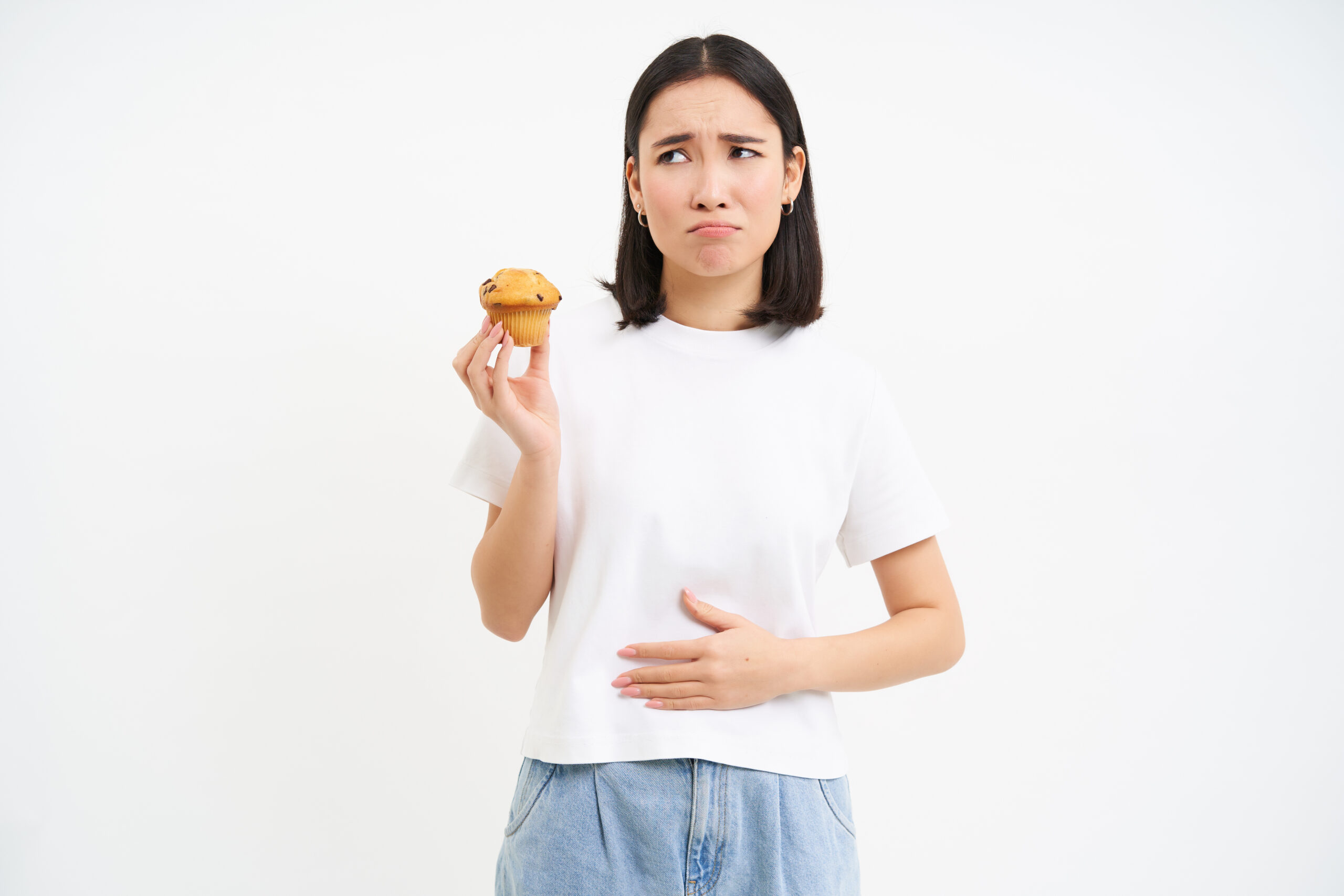
Feeling bloated after eating only a small amount of food can be uncomfortable, frustrating, and sometimes concerning. Many people describe the sensation as fullness, tightness, swelling, pressure, or heaviness in the abdomen even when they have not eaten very much. In some cases, bloating appears occasionally after certain foods, while in others it becomes a frequent issue that interferes with comfort, digestion, and daily activities.
The digestive system depends on coordinated movement of muscles, enzymes, bacteria, fluids, and hormones to process food efficiently. When digestion slows, gas builds up, food moves poorly, or the stomach becomes sensitive, bloating may develop more easily. Stress, eating habits, food intolerances, hormonal changes, and lifestyle patterns can all influence how the digestive system reacts after meals.
Occasional bloating is common and usually harmless. However, persistent bloating, especially when accompanied by pain, weight changes, or digestive symptoms, may indicate underlying digestive or medical conditions that deserve attention. Understanding why bloating happens after small meals can help individuals improve digestion naturally while recognizing when professional evaluation may be necessary.
https://www.youtube.com/watch?v=dt3lLoY30Ew
Understanding the Topic
Bloating refers to a feeling of pressure, fullness, or swelling in the abdomen. Some people also experience visible abdominal enlargement or excessive gas.
After eating, the stomach expands slightly as food enters the digestive tract. Normally, muscles and digestive enzymes help move food smoothly through the stomach and intestines. Gas produced during digestion is also passed naturally through the digestive system.
Problems arise when digestion slows, gas accumulates excessively, or the digestive tract becomes unusually sensitive. Even small amounts of food may then create noticeable discomfort or pressure.
Bloating can involve several digestive processes at once, including gas production, food intolerance reactions, slowed stomach emptying, altered gut bacteria, or increased intestinal sensitivity.
How the Body/System Works
The digestive system begins breaking down food immediately after eating. The stomach uses acid and digestive enzymes to process food before gradually releasing it into the small intestine.
Muscular contractions known as peristalsis move food through the digestive tract. Meanwhile, gut bacteria help ferment certain carbohydrates and fibers within the intestines.
During digestion, small amounts of gas are naturally produced. The body normally absorbs or releases this gas without causing major discomfort.
The nervous system also plays a major role in digestion. Stress and anxiety may affect stomach movement, enzyme production, and intestinal sensitivity through the gut-brain connection.
When digestion becomes slowed, unbalanced, or irritated, food and gas may remain in the digestive tract longer, contributing to bloating even after small meals.
Main Causes / Factors
Eating too quickly is one of the most common causes of bloating. Fast eating increases swallowed air and may overwhelm digestion.
Food intolerances may also trigger bloating, particularly reactions to lactose, gluten, artificial sweeteners, or highly processed foods.
Constipation frequently contributes because trapped stool slows digestive movement and increases gas buildup.
Stress and anxiety may additionally affect digestion by altering gut motility and sensitivity.
Additional common contributors include:
- Carbonated beverages
- Excess sodium intake
- Overeating processed foods
- Poor hydration
- Lack of physical activity
- Irregular eating habits
- Hormonal fluctuations
Medical Conditions Linked
Several digestive and medical conditions may contribute to bloating after small meals.
Irritable bowel syndrome (IBS) commonly causes bloating, gas, abdominal discomfort, and bowel habit changes.
Gastroesophageal reflux disease (GERD) may create fullness and upper abdominal pressure after eating.
Gastroparesis slows stomach emptying and may cause early fullness, nausea, and bloating.
Food intolerances or celiac disease may trigger inflammation and digestive discomfort after certain foods.
Other related conditions include:
- Small intestinal bacterial overgrowth (SIBO)
- Constipation disorders
- Gallbladder disease
- Ovarian conditions
- Inflammatory bowel disease
- Chronic stress disorders
Persistent bloating should not automatically be dismissed as normal digestion.
Lifestyle and Behavioral Factors
Daily habits strongly affect digestive function.
Sedentary lifestyles may slow intestinal movement and increase bloating risk.
Poor chewing habits make digestion more difficult because larger food particles require more digestive effort.
Late-night eating may worsen bloating because digestion naturally slows during sleep.
Stress and emotional tension can strongly influence gut function through nervous system activation.
Highly processed diets low in fiber and natural nutrients may additionally disrupt healthy digestion and gut bacteria balance.
Age or Risk Factors
Women commonly experience bloating during hormonal fluctuations related to menstrual cycles, pregnancy, or menopause.
Older adults may experience slower digestion and reduced stomach emptying with age.
Individuals with food sensitivities or digestive disorders are more likely to experience frequent bloating.
Additional risk factors include:
- Chronic stress
- Low physical activity
- Poor hydration
- High processed food intake
- Constipation
- Anxiety disorders
- Previous digestive infections
People with irregular meal patterns may also experience greater digestive sensitivity over time.
Other Contributing Factors
Artificial sweeteners may ferment within the intestines and increase gas production in sensitive individuals.
Carbonated drinks introduce excess gas directly into the digestive system.
Smoking and chewing gum may increase swallowed air, contributing to abdominal pressure.
Certain medications, including antibiotics or pain relievers, may alter digestion and gut bacteria balance.
Emotional stress may additionally increase awareness of digestive sensations, making bloating feel more intense.
Symptoms to Watch For
Bloating may appear alongside several additional digestive symptoms.
Common symptoms include:
- Abdominal fullness
- Gas
- Burping
- Stomach pressure
- Cramping
- Nausea
- Constipation
- Diarrhea
- Early fullness
- Abdominal swelling
Some individuals may also experience fatigue or appetite changes.
When to Seek Medical Help
Medical evaluation may be important if bloating becomes persistent, severe, or associated with other symptoms.
Seek medical attention if symptoms include:
- Severe abdominal pain
- Unexplained weight loss
- Vomiting
- Blood in stool
- Persistent constipation
- Difficulty swallowing
- Ongoing nausea
- Fever
- Significant abdominal swelling
Persistent digestive symptoms deserve evaluation to rule out underlying gastrointestinal conditions.
Prevention Tips
Healthy digestive habits can help reduce bloating naturally.
Helpful prevention strategies include:
- Eating slowly
- Chewing food thoroughly
- Drinking enough water
- Exercising regularly
- Limiting highly processed foods
- Reducing carbonated beverages
- Managing stress levels
- Avoiding overeating
- Tracking trigger foods
- Maintaining regular meal schedules
Light walking after meals may also support digestion and reduce gas buildup.
Treatment Overview
Treatment depends on the underlying cause of bloating.
For many individuals, dietary adjustments and improved eating habits significantly reduce symptoms.
Doctors may recommend testing for food intolerances, digestive disorders, or gut bacterial imbalances if bloating becomes persistent.
Fiber adjustments, probiotics, hydration improvement, and stress management may support healthier digestion in some cases.
Treatment for IBS, constipation, GERD, or hormonal conditions may additionally improve symptoms when these issues are contributing factors.
Long-term improvement often involves identifying specific triggers and supporting overall digestive health consistently.
Conclusion
Feeling bloated after small meals is often related to digestion, gas buildup, food sensitivities, stress, or slowed intestinal movement. Although occasional bloating is common, persistent symptoms may reflect deeper digestive imbalances or underlying medical conditions that deserve attention.
The digestive system depends heavily on healthy movement, balanced gut bacteria, proper hydration, emotional regulation, and supportive eating habits. Stress, processed foods, poor hydration, and rushed eating patterns can all interfere with normal digestion over time.
Supporting digestive health through mindful eating, balanced nutrition, physical activity, hydration, and stress management can often improve bloating naturally. Paying attention to persistent or worsening symptoms is important because early evaluation may help identify treatable digestive conditions before they significantly affect long-term health.
source
- Mayo Clinic – Belching, Gas and Bloating: Tips for Reducing Them
- Cleveland Clinic – Bloated Stomach: Causes, Tips to Reduce & When to Worry
- NIDDK – Eating, Diet, & Nutrition for Gas in the Digestive Tract
- NHS – Bloating
- Mayo Clinic – Understanding and Managing Chronic Abdominal Bloating and Distension