



Introduction
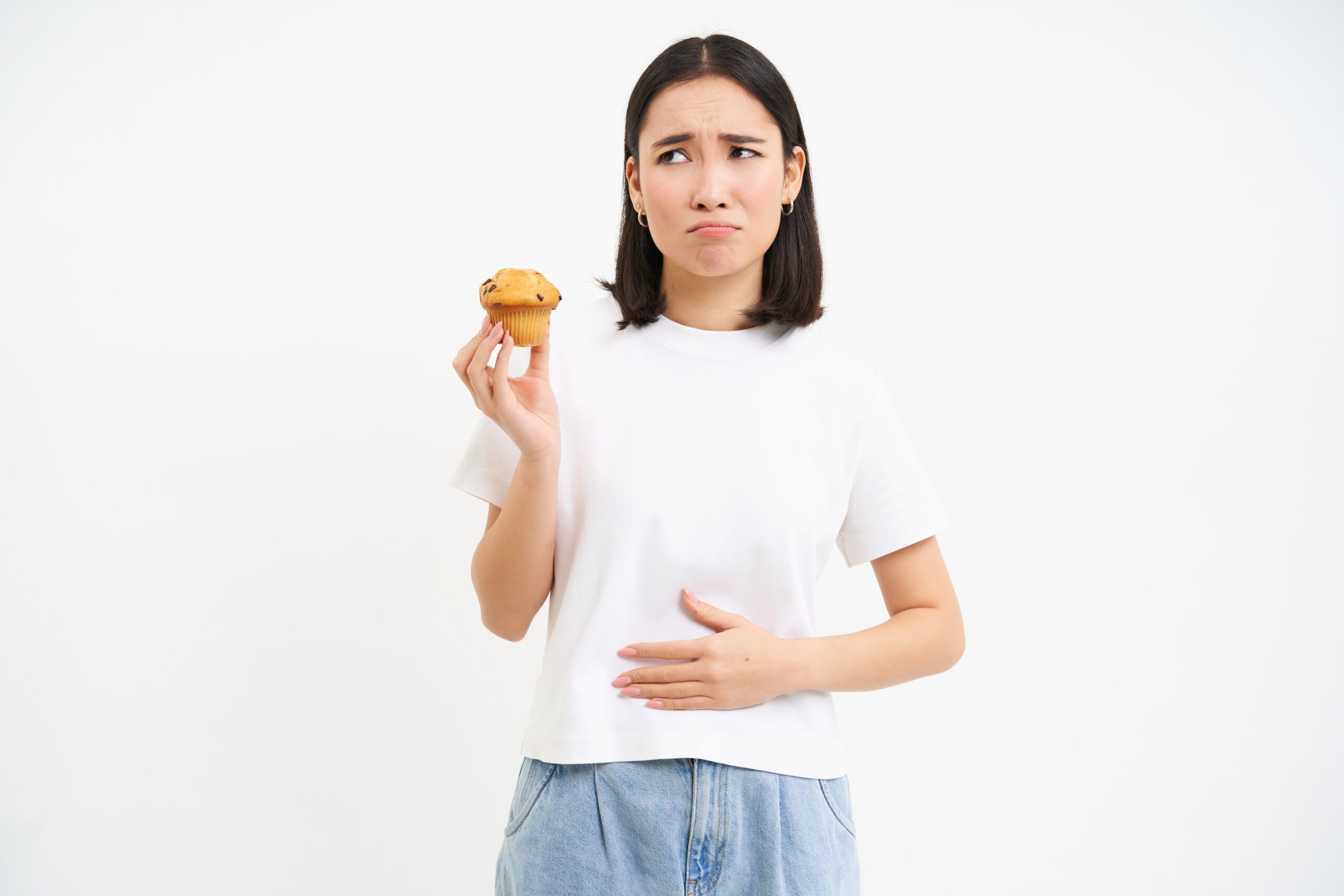
Feeling bloated after eating is a common issue that many people experience but often ignore. That uncomfortable sensation of fullness, tightness, or swelling in the abdomen can affect your mood, confidence, and daily productivity. While occasional bloating is normal, frequent bloating after every meal may indicate that your digestive system is not functioning optimally.
Bloating can be influenced by what you eat, how you eat, and how your body processes food. In many cases, simple lifestyle and dietary adjustments can significantly reduce the problem. Understanding the root causes and how your digestive system works can help you make better choices and feel lighter, more comfortable, and more energetic throughout the day.
Understanding the Topic
Bloating occurs when your gastrointestinal (GI) tract becomes filled with gas or air. This can happen due to improper digestion, swallowing air while eating, or reactions to certain foods.
It is important to distinguish between occasional bloating and chronic bloating. Occasional bloating may occur after heavy meals, while chronic bloating happens frequently and may signal underlying digestive issues such as food intolerance or gut imbalance.
How the Body/System Works
The digestive system breaks down food into nutrients that the body can absorb and use for energy. This process involves:
- The stomach breaking food into smaller particles
- Enzymes and acids aiding digestion
- The intestines absorbing nutrients
- Gut bacteria helping ferment certain foods
Gas is a natural byproduct of digestion, especially when bacteria break down carbohydrates in the intestines. However, when digestion is slow or inefficient, excess gas builds up, leading to bloating.
Main Causes / Factors
Several common factors contribute to post-meal bloating:
- Eating too quickly and swallowing air
- Consuming gas-producing foods like beans, cabbage, and carbonated drinks
- Overeating or large portion sizes
- Food intolerances (such as lactose or gluten)
- Poor gut health or imbalance in gut bacteria
Even healthy foods can cause bloating if your body struggles to digest them properly.
Medical Conditions Linked
Frequent bloating may be associated with certain medical conditions, including:
- Irritable bowel syndrome (IBS)
- Lactose intolerance
- Small intestinal bacterial overgrowth (SIBO)
- Gastroesophageal reflux disease (GERD)
- Celiac disease
If bloating is persistent and severe, these conditions should be evaluated by a healthcare provider.
Lifestyle and Behavioral Factors
Daily habits play a major role in digestive comfort:
- Eating while distracted can lead to overeating
- Drinking through straws increases air intake
- Lack of physical activity slows digestion
- High stress levels can disrupt gut function
Even posture during meals can affect digestion, with slouching putting pressure on the stomach.
Age or Risk Factors
Certain individuals are more prone to bloating:
- People with sensitive digestive systems
- Adults with slower metabolism
- Women due to hormonal fluctuations
- Individuals with a history of digestive disorders
As you age, enzyme production may decrease, making digestion less efficient.
Other Contributing Factors
Additional factors that may worsen bloating include:
- Artificial sweeteners that are hard to digest
- Excess salt intake causing water retention
- Dehydration affecting digestion
- Changes in gut microbiome
These hidden contributors often go unnoticed but can significantly impact how your body feels after meals.
Symptoms to Watch For
- Tight or swollen abdomen
- Excess gas or burping
- Stomach discomfort or mild pain
- Feeling overly full after small meals
- Visible abdominal distension
When to Seek Medical Help
Consult a doctor if you experience:
- Severe or persistent bloating
- Unexplained weight loss
- Blood in stool
- Chronic diarrhea or constipation
- Sharp abdominal pain
These symptoms may indicate a more serious underlying condition.
Prevention Tips
- Eat slowly and chew food thoroughly
- Avoid carbonated drinks
- Limit high-gas foods if sensitive
- Stay hydrated throughout the day
- Include probiotics in your diet
- Maintain regular physical activity
Treatment Overview
Treatment depends on the underlying cause. For mild bloating, lifestyle changes are often enough.
Medical treatments may include:
- Digestive enzyme supplements
- Probiotics to improve gut health
- Medications for IBS or acid reflux
- Dietary adjustments guided by a nutritionist
Keeping a food diary can also help identify triggers and patterns.
Conclusion
Bloating after every meal is not something you have to live with. It is often a sign that your digestive system needs attention, whether through better eating habits, improved food choices, or addressing underlying health issues. By understanding how your body processes food and identifying the factors that contribute to bloating, you can take simple yet effective steps to improve your digestive health.
Small changes, such as eating mindfully, staying active, and choosing the right foods, can make a significant difference. If symptoms persist, seeking medical guidance ensures that any deeper issues are properly addressed. With the right approach, you can enjoy your meals without discomfort and maintain a healthier, more balanced lifestyle.