



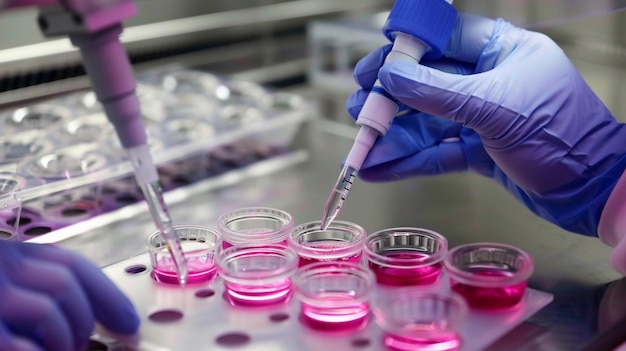
Stem Cell Therapies: Revolution or Hype?
Unsplash Image Search: stem cell research
For adults over the age of 40, the search for breakthrough solutions to health challenges can feel like navigating an ever-evolving landscape. Stories of promising new therapies tantalize, often leading to a mix of hope and skepticism. One topic that has captured significant attention in recent years is stem cell therapy. Touted as a potential game-changer, itâs essential to scrutinize what these advancements truly offer.
As we grow older, the bodyâs ability to repair and rejuvenate diminishes. This is where stem cell therapies are often highlighted for their potential, with claims of rejuvenating the body at a cellular level. But how much of this is grounded in reality? Are these therapies truly a revolution in medicine, or is there more hype than substance?
Letâs delve into the details, exploring what stem cell therapy really means, what current research suggests, and the potential implications for those eager for medical breakthroughs.
The Science Behind Stem Cells
At the heart of stem cell therapy is the remarkable ability of stem cells to develop into different types of cells in the body. They serve as a repair system, with the potential to regenerate damaged tissues or organs. This unique capability makes them a subject of immense interest in regenerative medicine.
Research suggests that these cells can help in treating a variety of health issues by promoting healing in tissues that are slow to recover. However, itâs crucial to understand that this field is complex and still largely in the experimental stages. The way stem cells are derived and manipulated can vastly influence their effectiveness and safety.
Current Applications and Limitations
Currently, some applications of stem cell therapy, such as in bone marrow transplants for leukemia and other blood disorders, are well-established and scientifically validated. Outside of these areas, however, the use of stem cells is largely experimental.
-
Orthopedic conditions: There is promising research in the use of stem cells for joint and cartilage repair, but treatments vary in effectiveness and are not yet routine.
-
Neurological disorders: Studies are exploring how stem cells might assist in recovering brain function after stroke or injury, though outcomes remain uncertain.
-
Diabetes: Ongoing research is focused on regenerating insulin-producing cells, potentially offering a new approach to diabetes management.
Despite these possibilities, experts note that real-world applications are limited due to challenges in directing stem cell differentiation and ensuring consistent results.
Weighing the Risks and Ethics
Stem cell therapies do not come without risks. Itâs essential to consider the possibility of immune rejection, the formation of tumors, and unintended differentiation. The quality and source of stem cells can impact these risks significantly.
Moreover, ethical concerns regarding the source of stem cells, particularly embryonic stem cells, continue to be debated. Advancements in induced pluripotent stem cells (iPSCs) may offer ethical pathways by using adult cells reprogrammed to an embryonic-like state, though these too are not free from challenges.
Regulatory and Financial Considerations
The regulatory landscape for stem cell therapy is still evolving. The U.S. Food and Drug Administration (FDA) regulates these treatments to ensure safety and efficacy, but not all clinics adhere strictly to these regulations. This has resulted in a marketplace where the legitimacy of treatments can vary significantly.
Financially, stem cell therapies can be costly. With many experimental treatments not covered by insurance, it’s crucial to be cautious of clinics promising miraculous results without substantial evidence.
Simple Daily Takeaways
-
Stay informed: Keep up with ongoing research and updates from credible sources regarding new developments in stem cell therapy.
-
Consult healthcare professionals: Before considering any stem cell treatment, discuss it with a trusted medical professional to understand potential benefits and risks.
-
Skepticism is healthy: Be cautious of clinics that offer stem cell treatments with grand promises, especially if they lack scientific backing.