



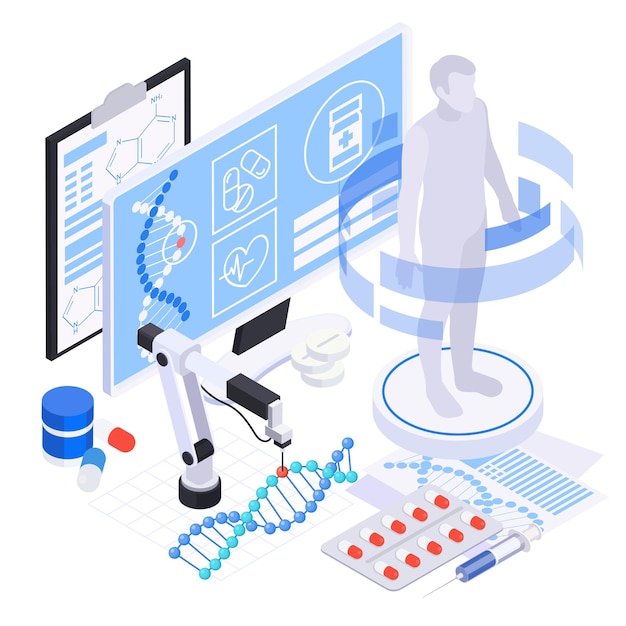
Personalized Medicine: Tailored Health Solutions
Unsplash Image Search: personalized medicine
Imagine a healthcare experience designed just for you ââ¬â one that takes into account your unique genetic makeup, lifestyle choices, and personal health history. This isnââ¬â¢t the stuff of science fiction; itââ¬â¢s personalized medicine, a transformative approach gaining momentum in todayââ¬â¢s medical landscape. For those entering their forties and beyond, this concept holds the promise of more effective, targeted treatments, offering potential improvements in managing chronic conditions and maintaining long-term health.
The shift from a one-size-fits-all model to a personalized approach can feel like stepping into a new era of healthcare. With the onset of age-related changes ââ¬â such as energy fluctuations, sleep disturbances, and metabolism shifts ââ¬â the desire for tailored solutions becomes even more pressing. Personalized medicine promises to address these nuances by considering the intricate blend of factors unique to each individual.
As we explore the burgeoning field of personalized medicine, itââ¬â¢s crucial to understand its potential impact on our health journeys and the practical applications that could soon become commonplace. From genetic testing to lifestyle-tailored interventions, the future of healthcare is evolving in exciting and hopeful ways.
Understanding the Basics of Personalized Medicine
At its core, personalized medicine focuses on customizing healthcare, with decisions and practices being tailored to individual patients. It leverages the latest in genetic information, health data, and technology to craft prevention and treatment plans that are as unique as your own DNA.
Originally sparked by advances in genetic research, personalized medicine now spans a range of applications, including:
-
Genetic Screening: Understanding one’s genetic predispositions for certain diseases.
-
Pharmacogenomics: Using genetic information to guide drug choice and dosage, reducing trial and error in treatments.
-
Targeted Therapies: Treatments developed or chosen based on the individualââ¬â¢s specific genetic mutations or characteristics of their disease.
The Role of Genetics in Health
For those in their forties and beyond, genetic insights can illuminate the path to proactive health management. Although our genes donââ¬â¢t change over time, their expression can be influenced by our environment and lifestyle choices ââ¬â a phenomenon known as epigenetics. Research suggests that understanding these factors helps tailor interventions that can mitigate risk factors associated with aging.
By examining a comprehensive genetic profile, healthcare providers may guide:
-
Disease Risk Assessment: Identifying increased risks for conditions like heart disease, diabetes, or cancer.
-
Prevention Strategies: Recommending lifestyle changes to decrease the likelihood of disease manifestation.
Empowering Patients Through Technology
An essential component of personalized medicine is the integration of advanced technology. From wearable devices that monitor real-time health metrics to comprehensive health apps that track wellness goals, technology empowers individuals to take an active role in their own healthcare.
Experts note that by utilizing technology, patients can:
-
Monitor Chronic Conditions: Receive alerts or data trends indicating when to seek medical advice.
-
Track Progress: Visualize how lifestyle adjustments impact health over time.
-
Enhance Communication: Share data with healthcare providers for more informed consultations.
Diet and Lifestyle: Beyond Genetics
While genetics provide a blueprint, daily choices play a significant role in our health trajectory as we age. Personalized medicine takes into account dietary habits, physical activity levels, and stress management practices to craft holistic approaches for better health outcomes.
Research suggests that tailored lifestyle interventions may support:
-
Improved Metabolic Function: Aligning diets with genetic predispositions.
-
Enhanced Mental Clarity: Prioritizing activities that boost cognitive health.
-
Optimized Sleep Patterns: Identifying factors impacting sleep quality and quantity.
Simple Daily Takeaways
-
Explore genetic testing to understand your unique health predispositions.
-
Leverage technology to keep active track of your health metrics.
-
Align lifestyle changes with your personal health insights for more effective outcomes.
-
Stay informed about the latest advances in personalized medicine and consult with healthcare professionals about potential applications for your health.