



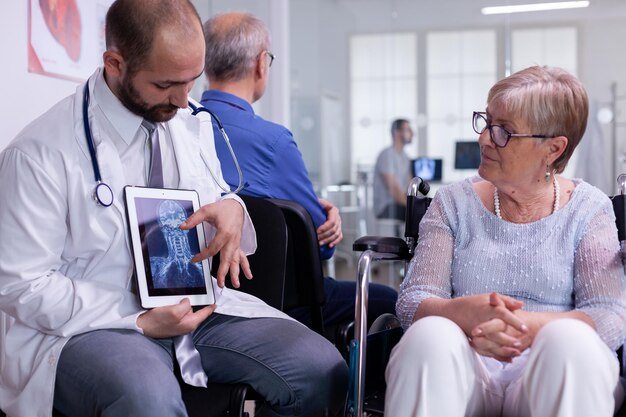
Medical Devices Transforming Healthcare
Unsplash Image Search: medical technology seniors
For many, reaching the age of 40 marks a new chapter filled with both opportunities and challenges. As we navigate this period, a heightened awareness of our body’s changes becomes inevitable. While some days may bring boundless energy, others might usher in unexplained fatigue or cognitive fog. But there’s a silver lining to these shared experiences ââ¬â the realm of medical technology, particularly for senior healthcare, is expanding rapidly, offering invaluable support as we age.
The modern era of medical devices is not confined to sterile hospital settings. Instead, these innovations are finding their way into our homes, empowering individuals to take charge of their health like never before. As research suggests, these devices are bridging gaps between traditional healthcare and proactive personal well-being. Understanding their impact can redefine how we perceive aging, making it possible to lead vibrant and independent lives for longer.
This newfound accessibility to advanced medical devices can offer comfort and confidence, eliminating some of the uncertainties associated with aging. Experts note that incorporating these devices into daily routines supports not only physical health but mental clarity and emotional well-being as well.
Smart Wearables: Beyond Fitness Tracking
While many are familiar with wearable fitness trackers, their evolution into medically potent devices is noteworthy. Today’s wearables go beyond counting steps; they monitor heart rhythms, detect sleep apnea, and even alert users to potential cardiovascular events. Research suggests that continuous health tracking is associated with early detection of anomalies, offering a safety net that enhances personal healthcare.
-
Advanced heart rate monitors to identify irregular patterns.
-
Sleep trackers assessing quality and duration for better restorative rest.
-
Devices providing reminders for movement to counteract sedentary habits.
As part of an integrated health management system, these devices may support decision-making and prioritize preventative measures.
Remote Health Monitoring: Bridging Distance
The rise of remote health monitoring devices is a transformative trend in senior healthcare. By providing real-time data transmission to healthcare providers, these devices enable timely interventions without necessitating frequent clinic visits. The convenience of monitoring chronic conditions like diabetes and hypertension from home aids in reducing stress and promotes autonomy.
-
Blood glucose monitors syncing with mobile apps for trend analysis.
-
Smart blood pressure cuffs providing accurate on-demand readings.
-
Weight scales integrated with nutrition tracking applications.
These devices can foster a proactive health culture, fortifying the patient-provider relationship with continuous insights.
Telemedicine Tools: Access At Your Fingertips
Telemedicine, once a futuristic idea, is now an integral part of the healthcare landscape. Video consultations and virtual check-ups present ample opportunity for individuals over 40 to discuss health concerns from the comfort of their living rooms. This accessibility reduces barriers to healthcare and significantly broadens the scope of care available, especially for rural or mobility-limited populations.
Moreover, many telemedicine platforms are equipped with tools that allow sharing medical histories, medication logs, and other pertinent health data seamlessly. This integration ensures comprehensive care management, marrying convenience with thorough oversight.
Cognitive Health Devices: Nurturing The Mind
With aging, cognitive health often takes center stage. A variety of devices now exist to aid in maintaining mental acuity. From apps designed to stimulate brain function to devices tracking neurological markers, the emphasis is on sustaining mental clarity and preventing cognitive decline.
-
Brain-training apps designed for neuron development and mental agility.
-
Specialized wearables for brainwave tracking and meditation facilitation.
-
Cognitive engagement games that provide constant stimulation.
Experts note that cognitive devices may play a role in supporting mental health, ultimately contributing to emotional well-being.
Simple Daily Takeaways
-
Embrace the potential of smart wearables for continuous heart and sleep monitoring.
-
Explore remote health monitoring devices to manage chronic conditions effortlessly.
-
Utilize telemedicine tools for convenient access to healthcare services.
-
Incorporate cognitive health devices to maintain mental agility and emotional health.
-
Stay informed about advancements in medical technology to enhance quality of life.