



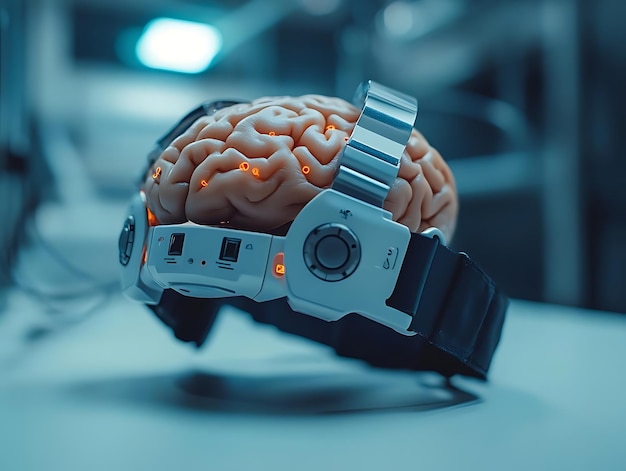
Wearable Tech Enhances Brain Health
Unsplash Image Search: wearable technology brain monitoring
Imagine a world where tracking your brain’s performance is as simple as wearing a fitness tracker. If you’re over 40, you might find yourself more curious about maintaining mental clarity and supporting cognitive health as you age. This emerging world of wearable technology dedicated to monitoring brain function opens fascinating avenues for enhancing mental well-being.
The gradual discovery of subtle mind shifts, like minor memory lapses or changes in concentration, can be both unsettling and intriguing. Fortunately, technology is advancing in leaps and bounds. These devices promise insights into your brain’s complexities in ways that were once relegated to science fiction. Let’s explore how this technology fits into everyday life, and the potential it holds for nurturing our brain health.
With increased interest in cognitive longevity, especially among adults over 40, understanding what is happening inside our heads transcends mere curiosity. It offers a powerful tool in prioritizing and supporting our well-being with tailored strategies. Wearable tech is not just a gadget; itâs a window into a more personalized approach to mental wellness.
Understanding Brain-Tracking Wearables
Brain-monitoring wearables use sensors to track brainwave activity, providing a window into our neural functioning. These devices measure electrical activity in the brain, typically through electroencephalography (EEG) technology. They examine brainwave patterns associated with various mental states like focus, relaxation, and sleep, offering users feedback to make informed health decisions.
The convenience of these wearables enables users to monitor their brain activity non-invasively throughout their daily routines. Unlike traditional methods that require clinical settings, these wearables make mental health tracking accessible and practical. So, what exactly do these readings mean for you?
What Readings Reveal About Your Brain
When examining the data provided by these wearables, users can gain insights into several brain health aspects:
-
Concentration Levels: Sensors detect when your attention wavers, suggesting times you are most productive or distracted.
-
Sleep Quality: By analyzing brainwave activity during sleep, wearables offer insights into sleep cycles, highlighting patterns or disturbances impacting restfulness.
-
Stress Detection: Wearables can identify stress indicators by sensing heightened brain activity, potentially guiding stress management approaches.
-
Emotional Monitoring: Some devices claim to track emotions by evaluating subtle changes in neural activity, though these findings are more experimental.
These elements contribute to a broader understanding of one’s cognitive wellness, encouraging proactive health choices.
Integrating Insights into Daily Life
Adapting to life with a brain-monitoring wearable involves interpreting its feedback and adjusting daily habits to strengthen your mental health. Hereâs how adults over 40 can utilize the data provided:
-
Enhanced Productivity: Understanding peak concentration times empowers you to align challenging tasks with times when your focus is naturally higher.
-
Improved Sleep: Recognizing sleep disruption patterns can prompt better sleep hygiene practices, such as consistency in sleep schedules and optimizing the sleep environment.
-
Stress Management: If wearables indicate heightened stress, mindfulness practices or identifying stress sources may mitigate negative impacts.
Rather than offer definitive solutions, these devices highlight individual patterns, promoting self-awareness and informed lifestyle choices.
Considerations Before Embracing the Technology
While wearable technology for brain monitoring is promising, several considerations merit attention. First, understand that the science is evolving, and these devices convey trends rather than concrete diagnoses. They should complement professional healthcare advice, not replace it.
Cost and privacy are also crucial factors. The price points of such technology vary significantly, and users should ensure their data is secure and used ethically by manufacturers.
Keeping realistic expectations and understanding the capabilities and limitations of these wearables will yield the best results for those seeking to enhance their mental wellness.
Simple Daily Takeaways
-
Brain-monitoring wearables provide meaningful insights into concentration, sleep, and stress.
-
Integrating device feedback into daily routines can bolster mental clarity and overall well-being.
-
Realistic expectations and privacy considerations are key when using this technology.