



Unlocking the Aging Brain’s Mysteries
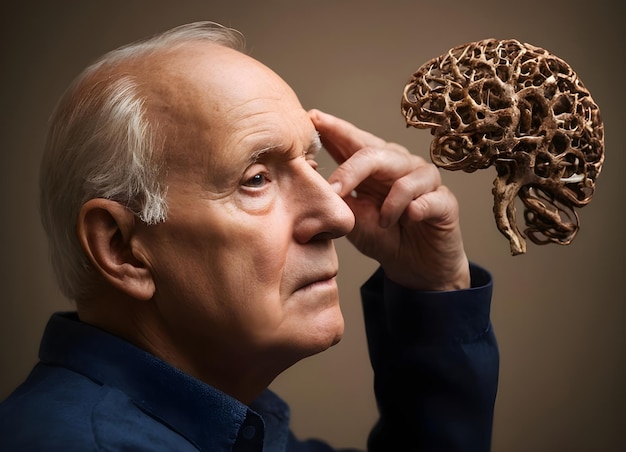
Unsplash Image Search: Aging Brain
As we grow older, our minds weave a complex tapestry of memories, experiences, and wisdom. However, this journey often meets the inevitable shift in cognitive abilities, leaving many to wonder how their brain is evolving. The aging process is an intricate dance, and every step toward understanding can help us navigate it with grace and knowledge. Unlocking the mysteries of the aging brain not only opens doors to better cognitive health but also enriches our understanding of ourselves.
Have you ever found yourself searching for a familiar word or walking into a room only to forget why? These small lapses can spark concern, yet they also highlight the brain’s adaptability and resilience. Exploring these quirks can turn puzzlement into empowerment, offering perspectives on how to maintain mental agility and emotional well-being as we age.
For those over 40, acknowledging how the brain changes with time can transform misconceptions about cognitive decline. It’s a journey that invites curiosity and encourages proactive choices to support an aging mind â because aging, after all, is a privilege not granted to everyone.
The Connection Between Brain Health and Lifestyle
When delving into the science of aging, it’s crucial to recognize the impact of daily habits on cognitive functions. Research suggests that lifestyle choices significantly influence how the brain ages, encompassing elements like diet, exercise, and social engagement.
Experts note that physical activity, particularly aerobic exercises like brisk walking or cycling, is associated with improved cognitive functions. These activities enhance blood flow to the brain, promoting neuroplasticity â the brain’s incredible ability to reorganize itself by forming new neural connections.
-
Incorporate at least 30 minutes of exercise into your daily routine.
-
Engage in social activities that challenge your mind, such as group discussions or book clubs.
-
Prioritize a balanced diet rich in omega-3 fatty acids, antioxidants, and vitamins.
Changes in Memory and Recall
Memory shifts can be among the most noticeable changes as we age. The types of memory most affected include what’s known as episodic memory, which is involved in recollecting personal experiences, and working memory, central to holding information temporarily.
Understanding that these changes do not equate to severe cognitive decline is essential. Rather, they reflect a normal part of aging, with some potential for improvement through targeted strategies. Studies indicate that practices such as mindfulness and meditation may support memory retention by enhancing attention and reducing stress.
-
Practice mindfulness meditation regularly to improve focus and memory retention.
-
Engage in memory-training games or activities, such as puzzles or learning a new language.
The Role of Sleep in Cognitive Health
Changes in sleep patterns are common with aging, often affecting the quality of rest and, consequently, cognitive health. Poor sleep is linked to difficulties in concentration, memory, and decision-making, which underscores the importance of understanding and addressing sleep issues.
Research suggests that adhering to a consistent sleep schedule, creating a peaceful bedtime routine, and minimizing screen time before bed can improve sleep quality.
-
Establish a relaxing evening routine with calming activities, such as reading or taking a warm bath.
-
Maintain a regular sleep-wake cycle, even on weekends.
-
Dim lights and avoid screens at least an hour before bedtime to promote melatonin production.
Emotional Resilience and the Aging Brain
While cognitive changes are often highlighted, emotional well-being also plays a pivotal role in brain health. Aging can bring newfound emotional wisdom, yet it can also be accompanied by stressors and challenges that impact mental clarity and emotional resilience.
Experts emphasize the power of social connections in maintaining emotional health. Engaging with friends and family, participating in community events, and volunteering can foster a sense of belonging and purpose, which is vital for emotional sustenance.
-
Schedule regular catch-ups with friends or family, either in person or virtually.
-
Explore new hobbies or join clubs that encourage social interaction.
-
Volunteer for causes you are passionate about to enhance your sense of purpose.
Simple Daily Takeaways
Everyday routines can cultivate a healthier, more agile brain:
-
Commit to regular physical activity and a nutritious diet.
-
Focus on building robust social connections and exploring new interests.
-
Prioritize quality sleep with a consistent routine.
-
Embrace mindfulness and stress-reduction techniques.
-
Remember that changes in memory and cognition are a normal part of aging.