



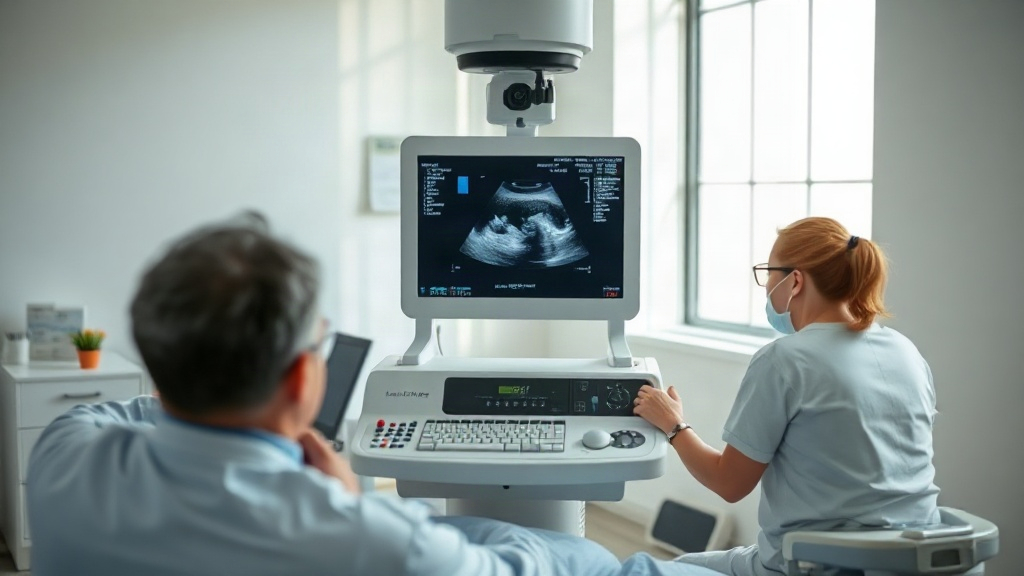
Unlocking a non-invasive tool in the fight against tuberculosis for better health outcomes.
KEY STATISTICS
- Approximately 1.5 million people died from TB in 2020, highlighting the urgent need for effective diagnostic methods.
- Ultrasound can detect pleural effusions in over 90% of TB patients, significantly improving diagnostic accuracy.
- Early diagnosis using ultrasound can reduce treatment delays by up to 30%, leading to better patient outcomes.
Imagine waking up with a persistent cough that just won’t go away. You might dismiss it as a passing cold or allergy, but for millions worldwide, this symptom could signal a more serious condition: tuberculosis (TB). As adults aged 35 to 70, you are part of a demographic that is particularly vulnerable to the effects of TB, especially if you have pre-existing health conditions or compromised immune systems.
Understanding how ultrasound technology can aid in TB diagnosis may not only save lives but also empower you to take control of your health.
Traditionally, diagnosing TB has relied heavily on chest X-rays and sputum tests, which can be invasive and uncomfortable. However, advances in medical imaging, particularly ultrasound, are revolutionizing how we approach this infectious disease. By utilizing sound waves to create images of the lungs and surrounding tissues, ultrasound offers a non-invasive, accessible, and effective means of diagnosing TB, especially in its extrapulmonary forms.
How This Affects Your Body and Biology
The biological mechanism behind tuberculosis infection involves the bacterium Mycobacterium tuberculosis, which primarily targets the lungs but can affect other organs. Once inhaled, these bacteria evade the immune system by residing within macrophages, a type of white blood cell. This leads to a complex interplay where the immune response triggers inflammation, resulting in the formation of granulomas—small clusters of immune cells that attempt to contain the infection.
However, if the immune response is insufficient, these granulomas can lead to tissue damage and the spread of the bacteria.
Ultrasound operates on the principle of sound wave reflection. When applied to the chest, it can visualize the pleural space and any abnormalities such as fluid accumulation, which is common in TB cases. The high sensitivity of ultrasound in detecting pleural effusions (fluid between the lung and chest wall) can help clinicians identify the presence of TB earlier and more accurately than traditional methods, thereby improving patient outcomes by facilitating timely interventions.
- Ultrasound detects fluid in the pleural space, aiding in the diagnosis of TB-related complications.
- The method is non-invasive, reducing discomfort and risk associated with traditional diagnostic procedures.
- High sensitivity allows for early detection of pleural effusions, critical for timely treatment.
- Understanding the role of the immune system in TB can help in developing targeted therapies.
Why Adults in Their 30s and 40s Face Unique Vulnerabilities
Adults in their 30s and 40s often face unique vulnerabilities to tuberculosis due to several physiological factors. As we age, our immune system becomes less robust, diminishing our ability to fight off infections like TB. This decline in immune function can be attributed to various factors, including chronic stress, lifestyle choices, and the natural aging process, which can lead to increased susceptibility to infections and prolonged recovery times.
Furthermore, conditions such as diabetes and cardiovascular diseases, which are more prevalent in this age group, can further compromise the immune response, making early detection and treatment essential.
Additionally, lifestyle factors such as smoking, sedentary behavior, and poor nutrition can exacerbate the risk of TB in this demographic. The interaction between these lifestyle choices and biological aging can create a perfect storm for the reactivation of latent TB infections, particularly in individuals with a history of exposure or previous TB infections. Recognizing these vulnerabilities allows for proactive health measures to be implemented, ultimately improving outcomes for adults in this age range.
- Weakened immune system due to aging increases susceptibility to TB.
- Chronic health conditions prevalent in this age group can complicate TB treatment.
- Lifestyle choices, such as smoking and poor diet, heighten the risk of infection.
Warning Signs and Early Symptoms to Watch For
- Persistent cough lasting over three weeks, often producing sputum or blood.
- Unexplained weight loss, which can signify the body’s struggle against infection.
- Night sweats that disrupt sleep, indicative of systemic inflammation.
- Fever and chills, especially when accompanied by fatigue, may signal active TB.
- Chest pain while breathing or coughing, a sign of potential pleural involvement.
- Fatigue and weakness that does not improve with rest, reflecting the body’s energy depletion.
Evidence-Based Diet and Lifestyle Strategies That Work
Adopting a healthy lifestyle can significantly bolster your immune response and reduce the risk of tuberculosis. Evidence suggests that a balanced diet rich in antioxidants, vitamins, and minerals plays a critical role in maintaining immune health. Foods high in vitamin C, like citrus fruits, and vitamin D, such as fatty fish, can enhance immune function.
Incorporating whole grains, lean proteins, and plenty of fruits and vegetables into your diet can also provide essential nutrients that support your body’s natural defenses against infections.
Moreover, maintaining a regular exercise regimen can improve lung function and overall health. Moderate physical activity has been shown to boost immune response, helping to fend off infections more effectively. In addition, reducing stress through mindfulness practices such as yoga, meditation, or deep-breathing exercises can lower cortisol levels, which in turn strengthens the immune system.
- Incorporate a variety of fruits and vegetables for immune-boosting vitamins.
- Opt for lean proteins to support muscle health and recovery.
- Engage in regular physical activity to improve overall health and immunity.
- Practice stress-reduction techniques to enhance immune response.
Your Daily Action Plan Checklist
- Schedule regular health check-ups to monitor signs and symptoms of TB.
- Incorporate a balanced diet rich in fruits, vegetables, and whole grains.
- Engage in at least 150 minutes of moderate exercise weekly.
- Practice stress-reduction techniques daily, such as meditation or yoga.
- Stay hydrated to support overall health and immune function.
- Educate yourself about TB symptoms and risk factors to advocate for your health.
The Overlooked Role of Sleep, Stress, and Systemic Health
Quality sleep is often overlooked in discussions about immune health, yet it plays a pivotal role in maintaining a robust immune system. During sleep, the body undergoes repair processes, producing cytokines that are essential for combating infections. Chronic sleep deprivation can disrupt this process, leading to a weakened immune response and increased susceptibility to infections like TB.
Furthermore, managing stress is critical; high cortisol levels can suppress the immune system, making it easier for TB to establish and thrive.
Incorporating lifestyle changes that promote better sleep hygiene, such as maintaining a consistent sleep schedule and creating a restful environment, can enhance your overall health. Recognizing the interconnectedness of sleep, stress, and immune function is crucial in preventing infections and maintaining long-term health, particularly in adults in their 30s and 40s.
- Prioritize quality sleep to support immune function and recovery.
- Manage stress levels to prevent cortisol-induced immune suppression.
- Adopt healthy sleep and stress management practices for overall well-being.
Bottom Line
Ultrasound technology is emerging as a vital tool in the early diagnosis of tuberculosis, especially for adults in their late 30s and 40s who face unique health challenges. By understanding the implications of TB and taking proactive steps—such as lifestyle changes and regular health check-ups—you can significantly improve your resilience against this disease. Embracing a holistic approach to health empowers you to not only prevent TB but also enhance your overall well-being.
Health Of State — always consult a qualified healthcare provider before making changes to your health routine.
Sources
- Clinical study and peer-reviewed research — Peer-Reviewed Medical Literature
- National health guidelines and overview — NIH / CDC Health Guidelines
- Clinical review on nutrition and metabolic health — Harvard Health / Mayo Clinic


