



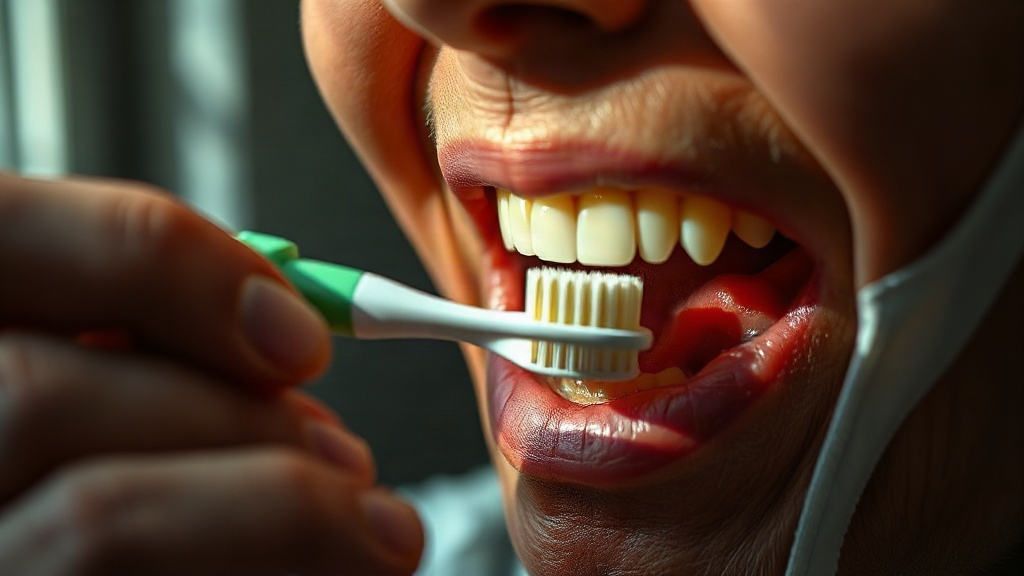
Understanding the critical link between oral health and dementia risk in mid-life.
KEY STATISTICS
- People with moderate to severe gum disease are 2.5 times more likely to develop dementia, according to recent studies.
- Oral health issues affect approximately 70% of adults aged 40 and over, significantly increasing their risk of cognitive decline.
- Research indicates that nearly 50% of individuals with dementia experience oral health problems, impacting their quality of life.
Imagine enjoying a meal, only to be distracted by discomfort in your mouth. For many adults in their 30s and 40s, this scenario is all too common as busy lifestyles often lead to neglecting oral health. While we may think of dental hygiene as merely a cosmetic concern, emerging evidence suggests that our oral health is intricately linked to cognitive function and the risk of dementia—a connection that deserves urgent attention.
As we juggle responsibilities at work and home, it’s easy to overlook the importance of regular dental check-ups and proper oral care. Yet, the hidden impacts of poor oral health extend far beyond tooth decay and gum disease; they may serve as precursors to more significant health challenges, including cognitive decline. This article will delve deep into the relationship between oral health and dementia, revealing how proactive measures can safeguard your mental well-being.
How This Affects Your Body and Biology
The connection between oral health and dementia can primarily be attributed to inflammation and bacterial infections. Poor oral hygiene can lead to periodontal disease, which is characterized by inflammation and destruction of the supporting structures of the teeth. This chronic inflammation can cause systemic effects, including increased levels of inflammatory markers like C-reactive protein (CRP).
Elevated CRP levels are associated with neurodegenerative diseases, including Alzheimer’s.
Moreover, pathogenic bacteria from the oral cavity can enter the bloodstream, potentially reaching the brain. Research indicates that these bacteria can cross the blood-brain barrier, leading to neuroinflammation. This process is thought to contribute to the accumulation of amyloid plaques and tau tangles—hallmarks of Alzheimer’s disease.
Therefore, maintaining good oral health is not only vital for your teeth but also for protecting your brain from the ravages of dementia.
- Chronic oral inflammation can increase systemic inflammation, raising the risk of cognitive decline.
- Pathogenic oral bacteria can enter the bloodstream and potentially cross the blood-brain barrier.
- Oral health issues may exacerbate the development of amyloid plaques and tau tangles associated with Alzheimer’s.
- Good oral hygiene practices can significantly reduce the risk of developing dementia.
Why Adults in Their 30s and 40s Face Unique Vulnerabilities
Adults in their 30s and 40s may not immediately associate their oral health with their cognitive function, but several biological factors contribute to this vulnerability. As we age, hormonal changes, including fluctuations in estrogen and testosterone, can affect oral health. For women, menopause can lead to decreased saliva production and increased susceptibility to gum disease, which heightens the risk of cognitive decline.
Additionally, stress from career and family responsibilities can lead to neglect of oral hygiene practices.
Metabolically, adults in this age group may also experience changes that predispose them to both dental and cognitive issues. Conditions such as diabetes, which is more common in this demographic, can compromise immune function and exacerbate periodontal problems. Thus, the intersection of hormonal changes, stress, and metabolic health creates a perfect storm that can threaten both oral and cognitive health.
- Hormonal changes can lead to increased susceptibility to gum disease and oral infections.
- Stress from work and family commitments often results in neglected oral hygiene.
- Metabolic conditions like diabetes can worsen oral health and increase dementia risk.
Warning Signs and Early Symptoms to Watch For
- Persistent bad breath (halitosis) can indicate gum disease or oral infection.
- Bleeding gums during brushing or flossing is a sign of periodontal disease.
- Increased tooth sensitivity may signal decay or gum recession.
- Difficulty chewing or swallowing can be early indicators of oral health issues.
- Changes in taste perception can affect appetite and nutrition.
- Unexplained tooth loss or loosening teeth should prompt immediate dental evaluation.
Evidence-Based Diet and Lifestyle Strategies That Work
To maintain both oral and cognitive health, adopting a nutrient-rich diet is essential. The Mediterranean diet, high in fruits, vegetables, whole grains, lean proteins, and healthy fats, has been shown to reduce inflammation and support brain health. Foods rich in omega-3 fatty acids, such as fish and flaxseeds, can help mitigate chronic inflammation linked to gum disease and dementia.
Additionally, antioxidants found in berries and dark leafy greens play a role in reducing oxidative stress, which is crucial for brain health.
Incorporating daily habits like regular dental check-ups, proper brushing and flossing, and using mouthwash can significantly reduce the risk of oral infections. Staying hydrated is equally important as it promotes saliva production, which helps neutralize acids and wash away food particles. Engaging in regular physical activity not only benefits physical health but also improves metabolic function, which can positively impact oral health and cognitive performance.
- Follow a Mediterranean diet rich in anti-inflammatory foods.
- Incorporate omega-3 fatty acids to combat chronic inflammation.
- Stay hydrated to promote saliva production and oral health.
- Engage in regular physical activity to enhance overall metabolism.
Your Daily Action Plan Checklist
- Schedule regular dental check-ups every six months.
- Brush teeth twice daily with fluoride toothpaste and floss daily.
- Incorporate more fruits, vegetables, and omega-3 rich foods into your diet.
- Limit sugar intake to reduce the risk of cavities and gum disease.
- Stay active with at least 150 minutes of moderate aerobic activity each week.
- Manage stress through mindfulness practices, yoga, or regular exercise.
The Overlooked Role of Sleep, Stress, and Systemic Health
Sleep and stress management play pivotal roles in maintaining oral and cognitive health. Chronic sleep deprivation can lead to increased levels of stress hormones like cortisol, which can exacerbate inflammation and weaken the immune system. This compromised state can negatively impact oral health, making individuals more susceptible to infections that can affect cognitive function.
Additionally, poor sleep quality has been linked to increased risk of neurodegenerative diseases, making it essential to prioritize restorative sleep.
Managing stress effectively can mitigate its effects on both oral and cognitive health. Practices such as meditation, deep breathing exercises, and physical activity can lower cortisol levels and improve overall well-being. By addressing systemic health issues such as obesity, diabetes, and hypertension, individuals can create a supportive environment for both oral and brain health.
- Chronic sleep deprivation can increase cortisol levels, worsening inflammation.
- Effective stress management can improve both oral health and cognitive function.
- Addressing systemic health issues is crucial for long-term oral and cognitive well-being.
Bottom Line
Maintaining oral health is not merely about keeping a bright smile; it’s a crucial aspect of safeguarding your cognitive health as you age. By recognizing the hidden connections between oral hygiene and dementia risk, adults in their 30s and 40s can take proactive steps to ensure a healthier future. Embracing a balanced diet, committing to regular dental care, and managing stress can significantly contribute to both oral and cognitive longevity.
Your mouth and your mind are more interconnected than you might think—so take action today for a brighter tomorrow.
Health Of State — always consult a qualified healthcare provider before making changes to your health routine.
Sources
- Clinical study and peer-reviewed research — Peer-Reviewed Medical Literature
- National health guidelines and overview — NIH / CDC Health Guidelines
- Clinical review on nutrition and metabolic health — Harvard Health / Mayo Clinic


