



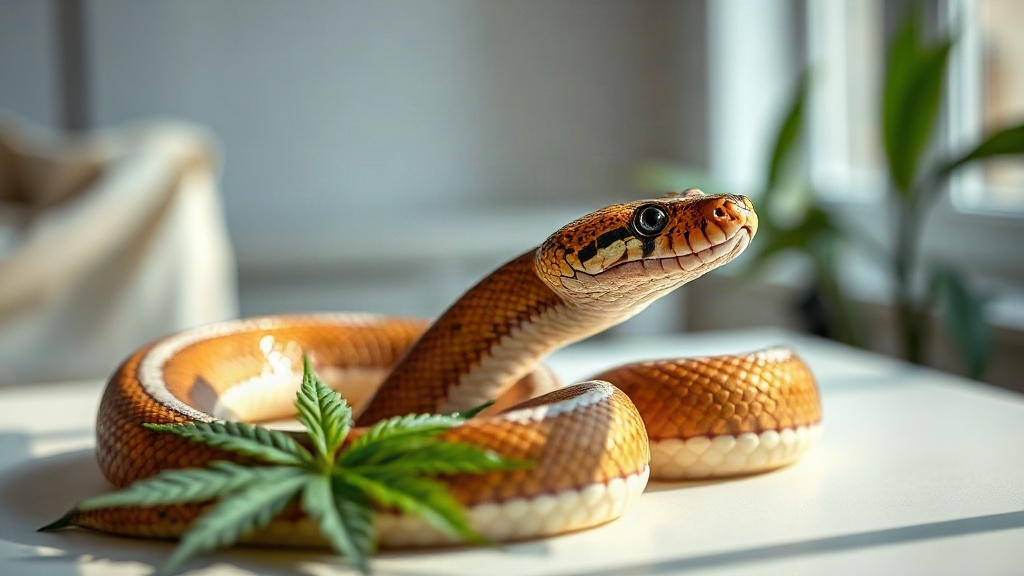
Understanding the complex interplay between cannabis use and snakebite treatment.
KEY STATISTICS
- A 2021 study found that 25% of snakebite victims reported using cannabis prior to their encounter.
- Research suggests that cannabis may interfere with antivenom efficacy, with a 30% reduction in immune response noted in animal studies.
- According to the CDC, approximately 7,000 to 8,000 snakebites occur annually in the U.S., with a significant increase in cases among adults aged 30-50.
Imagine a warm summer afternoon, where the allure of nature beckons you to explore. You’re enjoying a hike, the sun filtering through the trees, when suddenly, a sharp pain in your ankle jolts you back to reality. A snakebite.
In these moments, the decisions you make can significantly impact your health and recovery. With the increasing popularity of cannabis as a pain management tool, many might consider it as a potential remedy during such emergencies. However, understanding the risks associated with cannabis use in the context of snakebites is vital for ensuring a safe and effective response to this life-threatening situation.
How This Affects Your Body and Biology
To grasp the implications of cannabis use during a snakebite, it’s crucial to understand the body’s response to venom. Snake venoms are complex mixtures of enzymes and proteins that can disrupt physiological processes, leading to symptoms ranging from swelling and pain to systemic shock. The primary mode of action for these venoms involves targeting the nervous system and immune response, which can be further complicated by the presence of cannabinoids, the active compounds in cannabis.
Studies indicate that cannabinoids can modulate pain perception through their interaction with the endocannabinoid system, potentially masking the pain but also altering the body’s natural inflammatory response to the venom.
- Cannabinoids can interfere with the body’s inflammatory response to snake venom.
- Use of cannabis may mask pain, leading to delayed treatment and worsening of symptoms.
- Some cannabinoids may reduce the efficacy of antivenoms, complicating recovery.
- The interaction between cannabis and the immune system is not fully understood, necessitating caution.
Why Adults in Their 30s and 40s Face Unique Vulnerabilities
Adults in their 30s and 40s may face unique risks when it comes to snakebites and the use of cannabis. This demographic often contends with a range of metabolic and hormonal changes that can influence both their response to snake venom and the efficacy of treatments. As we age, our immune response tends to weaken, which may hamper the body’s ability to fight off the effects of venom and recover from injury.
Additionally, the endocannabinoid system, which plays a role in pain and immune responses, may be less responsive in older adults, potentially leading to inadequate pain management and an impaired healing process when cannabis is involved.
- Weakened immune response in this age group can complicate recovery from snakebites.
- Hormonal changes may alter pain perception, influencing the effectiveness of cannabis.
- Increased prevalence of comorbidities may heighten the risks associated with snakebites.
Warning Signs and Early Symptoms to Watch For
- Severe pain at the bite site: Often sharp or throbbing, indicating immediate medical attention is needed.
- Swelling: Rapidly increasing swelling around the bite area may signify venom spread.
- Nausea or vomiting: These symptoms can indicate systemic effects of the venom.
- Difficulty breathing: A critical symptom that demands emergency intervention.
- Dizziness or fainting: Suggesting a potential drop in blood pressure or shock.
- Altered heart rate: Rapid or irregular heartbeat can signal serious complications.
Evidence-Based Diet and Lifestyle Strategies That Work
Incorporating specific dietary habits and lifestyle changes can enhance your resilience against snakebite risks. A balanced diet rich in antioxidants can bolster your immune system, potentially mitigating the effects of snake venom. Foods high in vitamins C and E, such as citrus fruits, nuts, and green leafy vegetables, can support the immune response and promote healing.
Moreover, maintaining a healthy lifestyle that includes regular physical activity can improve overall cardiovascular health, ensuring your body is better equipped to handle emergencies. Implementing stress-reduction techniques, such as mindfulness and yoga, can also enhance your resilience against both physical and emotional trauma during incidents like snakebites.
- Incorporate a diet high in vitamins C and E to support immune function.
- Regular exercise can enhance cardiovascular health, improving emergency responses.
- Mindfulness practices can lower stress levels, aiding recovery from trauma.
- Stay hydrated to maintain optimal bodily functions during stress.
Your Daily Action Plan Checklist
- Educate yourself on local snake species and their habitats to avoid bites.
- Plan outdoor activities with a buddy for safety and support.
- Keep a first-aid kit handy that includes essential items for snakebite treatment.
- Consider consulting a healthcare provider about the implications of cannabis use.
- Establish a balanced diet that includes immune-boosting foods.
- Practice stress management techniques to enhance overall well-being.
The Overlooked Role of Sleep, Stress, and Systemic Health
Sleep and stress management play crucial roles in overall health, particularly in high-stakes situations like snakebites. Chronic stress can elevate cortisol levels, which may suppress immune function and hinder recovery from injuries. In addition, poor sleep quality can negatively affect the body’s repair mechanisms, making it harder to respond to venom effectively.
Prioritizing restorative sleep not only enhances immune function but also supports metabolic health, vital for those who may encounter snakebites in their daily lives. By addressing these systemic health factors, individuals can bolster their resilience against the serious implications of snakebites.
- Chronic stress can impair immune response, complicating snakebite recovery.
- Quality sleep is essential for effective bodily repair and resilience.
- A holistic approach to health can mitigate risks associated with snakebites.
Bottom Line
Understanding the complexities of cannabis use in relation to snakebites is essential for informed decision-making. While cannabis may offer some pain relief, it can also interfere with the body’s response to venom and complicate treatment options. By being proactive about education, lifestyle choices, and awareness of warning signs, adults in their 30s and 40s can better navigate the risks associated with snakebites.
Embracing a holistic approach to health can empower individuals to live more safely and resiliently, fostering a greater sense of well-being in their daily lives.
Health Of State — always consult a qualified healthcare provider before making changes to your health routine.
Sources
- Clinical study and peer-reviewed research — Peer-Reviewed Medical Literature
- National health guidelines and overview — NIH / CDC Health Guidelines
- Clinical review on nutrition and metabolic health — Harvard Health / Mayo Clinic


