



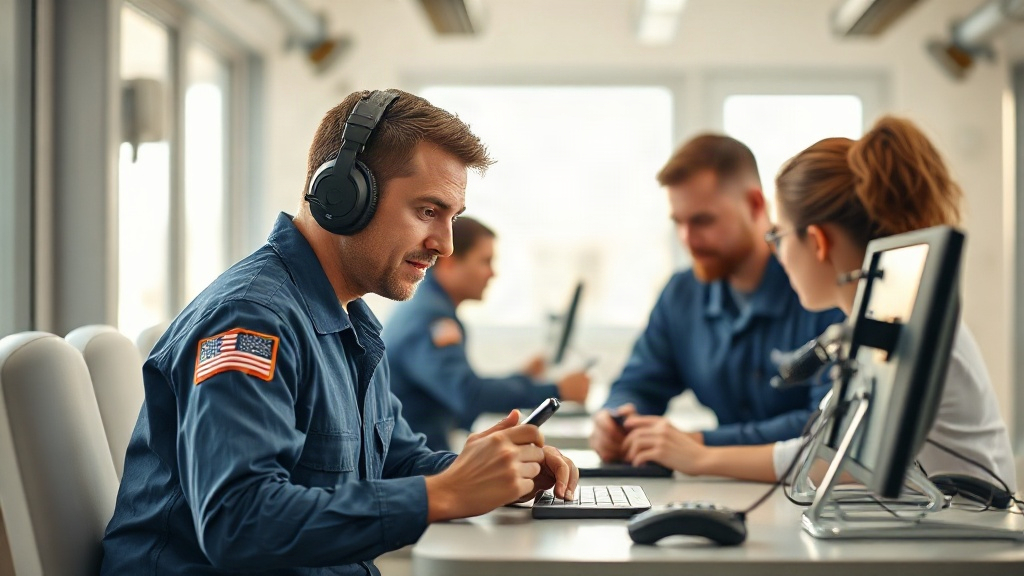
Harnessing the power of play to enhance training and well-being for Coast Guard technicians.
KEY STATISTICS
- Studies show that game-based learning can increase information retention by up to 75%.
- Engagement through gamification leads to a 20% improvement in job performance metrics.
- Training programs utilizing simulation games reduce training time by approximately 30%.
Imagine a day at work where your tasks involve not just routine operations but interactive scenarios that challenge your problem-solving skills. For Coast Guard technicians, the traditional methods of training are evolving into a dynamic game-based learning environment that not only improves operational readiness but also promotes mental well-being.
How This Affects Your Body and Biology
Game-based learning engages various cognitive functions, notably enhancing neuroplasticity, the brain’s ability to reorganize itself. This is particularly relevant in high-stakes environments like the Coast Guard, where rapid decision-making is crucial. When technicians engage in simulated scenarios, their brains release neurotransmitters such as dopamine, which reinforces learning and memory retention.
The interactive nature of these games stimulates the prefrontal cortex, responsible for complex cognitive behavior, decision-making, and moderating social behavior.
- Neuroplasticity enhances learning retention and skill acquisition.
- Dopamine release during gaming can improve focus and motivation.
- Engagement in interactive scenarios fosters teamwork and communication.
- Cognitive load management through games can reduce mental fatigue.
Why Adults in Their 30s and 40s Face Unique Vulnerabilities
Individuals in their 30s and 40s often experience a natural decline in cognitive flexibility and processing speed, making the integration of dynamic learning strategies essential. Hormonal changes, particularly a decrease in testosterone and estrogen, can affect cognitive functions and increase susceptibility to stress. This demographic may also face metabolic shifts that can impact energy levels and overall motivation, making effective training methods critical for maintaining performance and health.
- Hormonal fluctuations can lead to cognitive decline and increased stress.
- Metabolic changes may result in fatigue and decreased energy levels.
- Work-related stress can exacerbate mental health issues, affecting focus.
Warning Signs and Early Symptoms to Watch For
- Increased forgetfulness, such as misplacing items or forgetting appointments.
- Chronic fatigue that doesn’t improve with adequate rest.
- Difficulty concentrating on tasks or completing projects.
- Increased irritability or mood swings that affect interactions with colleagues.
- Heightened anxiety or feelings of overwhelm in high-pressure situations.
- Physical symptoms like headaches or muscle tension related to stress.
Evidence-Based Diet and Lifestyle Strategies That Work
To support cognitive function and overall well-being, it’s essential for Coast Guard technicians to adopt a diet rich in omega-3 fatty acids, antioxidants, and complex carbohydrates. Foods like fatty fish, berries, and whole grains provide the necessary nutrients to enhance brain health and energy levels. Additionally, incorporating regular physical activity, such as aerobic exercises, can improve blood flow to the brain, fostering neurogenesis and cognitive resilience.
- Incorporate omega-3-rich foods like salmon and walnuts for brain health.
- Add antioxidant-rich fruits and vegetables to combat oxidative stress.
- Engage in regular aerobic exercise to boost mood and cognitive function.
- Utilize mindfulness practices to reduce stress and enhance focus.
Your Daily Action Plan Checklist
- Dedicate 15-30 minutes daily to engage in game-based learning exercises.
- Prepare healthy meals centered around omega-3 and antioxidant-rich foods.
- Set aside time for physical activity at least three times a week.
- Practice mindfulness or meditation for stress management.
- Schedule regular breaks during work to reduce mental fatigue.
- Monitor your mood and cognitive function, noting any changes.
The Overlooked Role of Sleep, Stress, and Systemic Health
Quality sleep is non-negotiable for cognitive function and overall health, especially for Coast Guard technicians who face demanding schedules. Chronic sleep deprivation can lead to increased cortisol levels, impairing decision-making abilities and emotional regulation. Furthermore, effective stress management through techniques like yoga or breathing exercises can mitigate the impact of systemic stress on health, promoting better focus and resilience in high-pressure situations.
- Prioritize 7-9 hours of quality sleep each night for optimal cognitive function.
- Manage stress proactively to prevent burnout and cognitive decline.
- Incorporate relaxation techniques to promote emotional well-being.
Bottom Line
As Coast Guard technicians navigate the complexities of their roles, embracing game-based learning offers not only a path to enhanced skills but also a means to promote mental health and resilience. By integrating evidence-based lifestyle strategies and prioritizing self-care, individuals can thrive both professionally and personally, ensuring they are prepared for the challenges ahead.
Health Of State — always consult a qualified healthcare provider before making changes to your health routine.
Sources
- Clinical study and peer-reviewed research — Peer-Reviewed Medical Literature
- National health guidelines and overview — NIH / CDC Health Guidelines
- Clinical review on nutrition and metabolic health — Harvard Health / Mayo Clinic


