



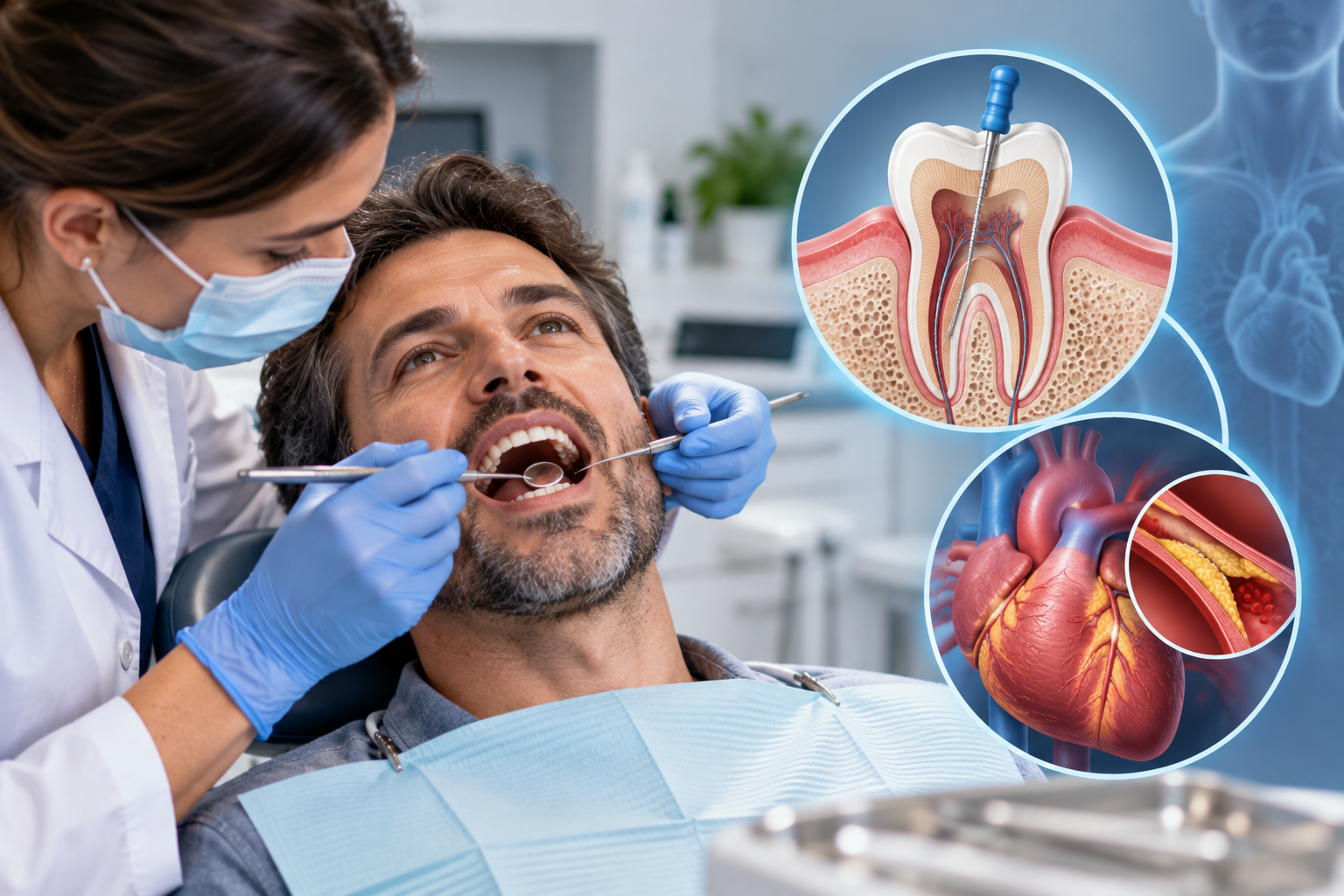
Exploring the surprising connections between heart health and dental practices.
KEY STATISTICS
- Coronary heart disease accounts for 1 in 4 deaths in the United States, highlighting the urgency of cardiovascular health.
- Studies show that individuals with periodontal disease have a 25% higher risk of cardiovascular events.
- Approximately 50% of adults aged 30-44 have some form of coronary artery disease, often without clear symptoms.
Imagine waking up one morning, feeling slightly off, and attributing it to a long week at work. You brush your teeth, and while flossing, you notice some bleeding. It’s easy to dismiss, but what if that seemingly minor symptom is a sign of something much larger?
As you navigate the complexities of adult life, it’s crucial to understand the intertwined paths of oral and cardiovascular health. The connections between your heart and your teeth are deeper than you might think.
Coronary atherosclerosis, a condition that involves the buildup of plaque in the arteries, is one of the leading causes of heart disease. This condition develops silently over time, often beginning in your 30s and 40s—an age when many are focused on career advancements, family responsibilities, and other daily stresses. What many may not realize is that poor oral health, specifically conditions like gum disease, can exacerbate the risks associated with coronary atherosclerosis, creating a silent, yet dangerous, interplay between two seemingly separate health issues.
How This Affects Your Body and Biology
At the biological level, coronary atherosclerosis begins with endothelial dysfunction, where the inner lining of blood vessels becomes damaged. This can be triggered by various factors including high blood pressure, high cholesterol, smoking, and chronic inflammation. As the endothelial cells become compromised, they allow low-density lipoproteins (LDL) to infiltrate the arterial walls, leading to an inflammatory cascade.
Macrophages, a type of white blood cell, attempt to clear these lipids but become engorged and form foam cells, contributing to plaque formation.
The plaque grows over time, narrowing the arteries and restricting blood flow to vital organs, particularly the heart. In parallel, a similar inflammatory process occurs in periodontal disease, where bacteria invade the gum tissue, leading to chronic inflammation. This inflammation can enter systemic circulation, triggering additional inflammatory responses throughout the body, including the cardiovascular system.
Thus, the mouth can serve as a gateway for pathogens and inflammatory mediators, exacerbating the atherosclerotic process.
- Endothelial dysfunction is the initial step in the development of coronary atherosclerosis.
- Inflammation from periodontal disease can enter the bloodstream, enhancing systemic cardiovascular risks.
- Plaque formation in arteries restricts blood flow, potentially leading to heart attacks or strokes.
- Oral health is a mirror reflecting overall systemic health, revealing hidden risks.
Why Adults in Their 30s and 40s Face Unique Vulnerabilities
Adults in their 30s and 40s are at a critical juncture where lifestyle choices and biological changes converge to create unique health vulnerabilities. Hormonal changes, such as fluctuations in estrogen and testosterone, can impact metabolism and the inflammatory response. For women, menopause can further influence cardiovascular health, as estrogen is known to have a protective effect on the heart.
Consequently, as hormonal balances shift, the risk of developing conditions like coronary atherosclerosis increases.
Moreover, this age group frequently grapples with lifestyle factors that contribute to both oral and cardiovascular diseases. Busy schedules may lead to poor dietary choices, increased stress, and a lack of physical activity—all of which can contribute to plaque buildup in arteries. The neglect of dental health often accompanies these lifestyle changes, creating a compounded risk for developing both periodontal disease and heart disease.
- Hormonal fluctuations can increase the risk of metabolic disorders and inflammation.
- Busy lifestyles often lead to neglecting both dental health and heart health.
- Increased stress levels can exacerbate inflammation and contribute to chronic diseases.
Warning Signs and Early Symptoms to Watch For
- Chest discomfort or pain, which may feel like pressure, squeezing, or fullness.
- Shortness of breath, which can occur during physical activity or even at rest.
- Pain or discomfort in the arms, back, neck, jaw, or stomach, often mistaken for indigestion.
- Gum inflammation or bleeding that persists, indicating potential periodontal disease.
- Fatigue or weakness without a clear reason, which may signal cardiovascular distress.
- Frequent headaches or lightheadedness, which can be linked to decreased blood flow.
Evidence-Based Diet and Lifestyle Strategies That Work
To mitigate the risks associated with coronary atherosclerosis and maintain oral health, adopting evidence-based dietary strategies is crucial. A heart-healthy diet rich in fruits, vegetables, whole grains, lean proteins, and healthy fats can significantly reduce inflammation and improve lipid profiles. Foods high in omega-3 fatty acids, such as fatty fish, flaxseeds, and walnuts, are particularly beneficial for heart health.
Additionally, incorporating antioxidant-rich foods, such as berries and leafy greens, helps combat oxidative stress that contributes to atherosclerosis.
Equally important is maintaining good oral hygiene. Regular dental check-ups, brushing twice daily, and flossing can prevent periodontal disease, thus reducing associated cardiovascular risks. Furthermore, lifestyle factors such as regular physical activity and stress management techniques, including yoga and mindfulness, can enhance overall well-being, support healthy blood pressure, and improve metabolic health.
- Incorporate omega-3 fatty acids to reduce inflammation and improve heart health.
- Eat a variety of fruits and vegetables to provide essential nutrients and antioxidants.
- Practice good oral hygiene to prevent periodontal disease and its systemic effects.
- Engage in regular physical activity to support cardiovascular health.
Your Daily Action Plan Checklist
- Schedule regular dental check-ups and cleanings at least twice a year.
- Monitor your blood pressure and cholesterol levels with your healthcare provider.
- Adopt a heart-healthy diet rich in fruits, vegetables, and whole grains.
- Incorporate at least 150 minutes of moderate aerobic activity into your weekly routine.
- Practice stress management techniques, such as meditation or yoga, daily.
- Stay hydrated and limit processed foods high in sugar and unhealthy fats.
The Overlooked Role of Sleep, Stress, and Systemic Health
Sleep quality and stress management are often overlooked but play a critical role in mitigating the risks of coronary atherosclerosis and periodontal disease. Chronic sleep deprivation has been linked to increased inflammation, elevated cortisol levels, and poor metabolic health—all of which contribute to cardiovascular disease. During sleep, the body undergoes restorative processes that help regulate hormones, repair tissues, and reduce inflammation.
Aiming for 7-9 hours of quality sleep per night can improve both heart and oral health.
Stress, particularly when chronic, exacerbates the inflammatory processes that underlie both periodontal disease and coronary atherosclerosis. High cortisol levels can lead to insulin resistance, weight gain, and elevated blood pressure, all risk factors for heart disease. Practicing relaxation techniques and ensuring adequate sleep can help regulate stress hormones, supporting overall health and reducing the risk of serious conditions.
- Prioritize quality sleep to enhance recovery and reduce inflammation.
- Manage stress through mindfulness techniques to lower cortisol levels.
- Recognize the interconnectedness of mental and physical health in disease prevention.
Bottom Line
Understanding the intricate relationship between coronary atherosclerosis and endodontics is essential for adults in their 30s and 40s. By prioritizing both heart and oral health, you can take proactive steps towards a healthier life. Simple lifestyle adjustments—such as improved diet, regular exercise, and stress management—can significantly lower your risks.
Remember, your health is a comprehensive system; every action counts toward a longer, healthier future.
Health Of State — always consult a qualified healthcare provider before making changes to your health routine.
Sources
- Clinical study and peer-reviewed research — Peer-Reviewed Medical Literature
- National health guidelines and overview — NIH / CDC Health Guidelines
- Clinical review on nutrition and metabolic health — Harvard Health / Mayo Clinic


