



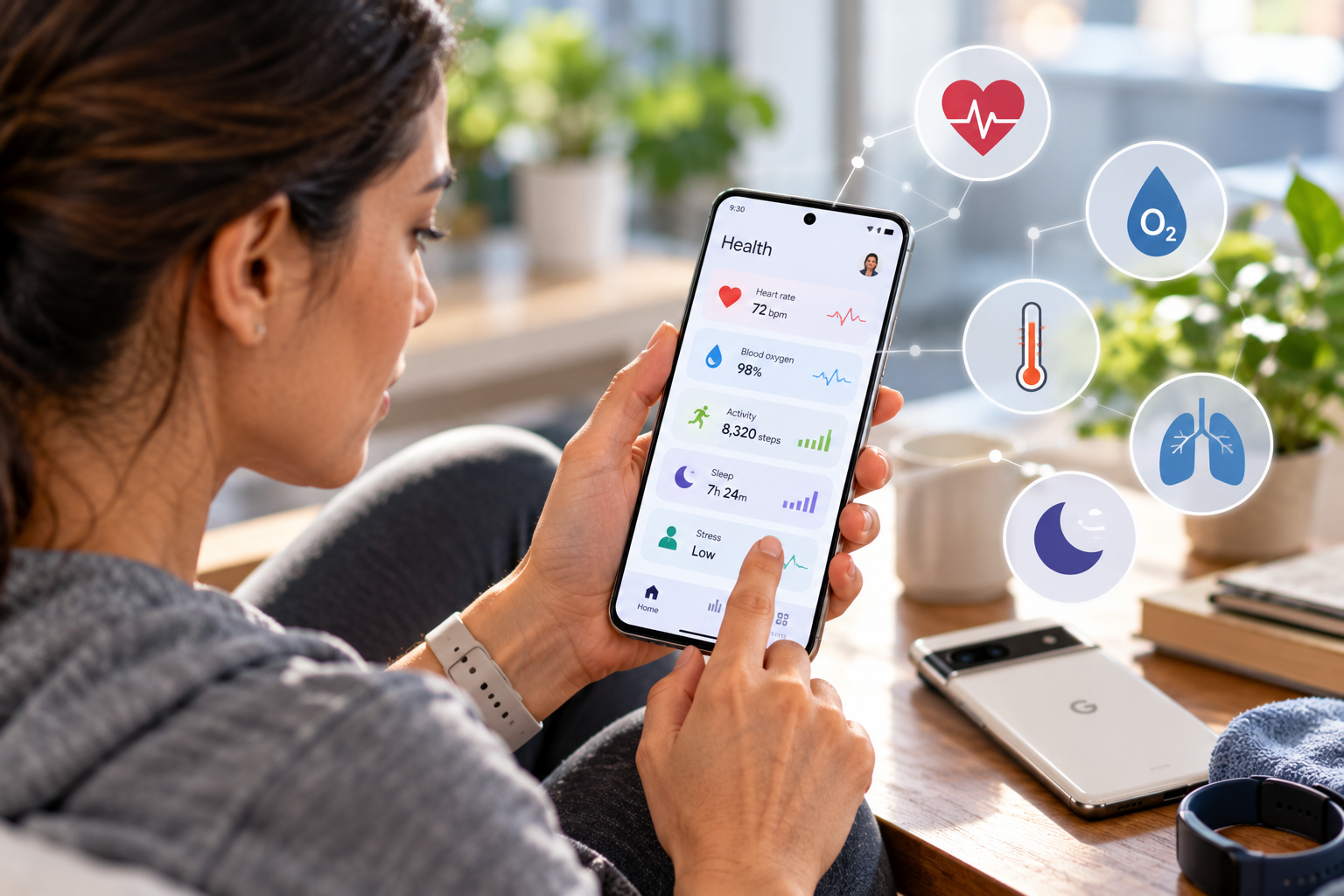
Harnessing technology for health insights in your pocket.
KEY STATISTICS
- Over 60% of adults aged 35-70 use smartphones for health tracking, according to a 2021 survey.
- A clinical study found that wearable health technology can improve chronic disease management by up to 30%.
- Research indicates that mobile health applications can increase patient engagement by 50%, leading to better health outcomes.
In today’s fast-paced world, many of us are juggling careers, family, and health. Imagine if your smartphone could serve as a mini medical laboratory, providing insight into your health with just a few taps. The Pixel Phone, with its advanced sensors and health tracking capabilities, is poised to empower users to take charge of their health like never before.
The concept of monitoring one’s health through a device that fits in the palm of your hand is no longer science fiction. It’s a reality that can help adults in their 30s and 40s understand their body’s needs and vulnerabilities, all while fitting seamlessly into their busy lifestyles. With features that can analyze physical activity, heart rate, sleep patterns, and even stress levels, the Pixel Phone is redefining personal health management.
How This Affects Your Body and Biology
The human body is a complex biological system that responds dynamically to various stimuli, including physical activity, sleep, and nutrition. When we utilize health tracking technology, such as that offered by the Pixel Phone, we engage in a feedback loop that can enhance our understanding of our physiological state. For instance, monitoring heart rate variability can provide insights into the autonomic nervous system, which regulates bodily functions like heart rate and digestion.
An increase in heart rate variability is often associated with good health and resilience to stress, while a decrease may indicate fatigue or stress overload.
Moreover, the ability to track sleep quality can elucidate how well our bodies recover from daily stressors. Research shows that poor sleep can lead to hormonal imbalances, particularly in cortisol and insulin, which can subsequently impact metabolism and increase the risk of chronic conditions such as diabetes and hypertension. By using the Pixel Phone to monitor sleep patterns, individuals can make informed decisions about their bedtime routines, ultimately fostering better health outcomes.
- Health tracking technology enhances understanding of physiological states.
- Monitoring heart rate variability provides insights into stress resilience.
- Sleep quality tracking can reveal hormonal imbalances affecting metabolism.
- Data-driven insights empower proactive health management.
Why Adults in Their 30s and 40s Face Unique Vulnerabilities
As individuals transition into their 30s and 40s, they encounter a range of physiological shifts that can create unique health vulnerabilities. This age group often experiences hormonal fluctuations associated with aging, such as reduced testosterone in men and decreased estrogen in women. These changes can lead to a decline in muscle mass, increased fat accumulation, and heightened risks for metabolic syndrome—a cluster of conditions that increase the risk of heart disease and diabetes.
Furthermore, lifestyle factors such as prolonged periods of sedentary behavior, stress from balancing work and family obligations, and poor dietary choices can exacerbate these vulnerabilities. Adults in this demographic may find it increasingly difficult to maintain their weight, manage stress effectively, and sustain energy levels, all of which can lead to chronic health issues if left unchecked.
- Hormonal fluctuations can lead to metabolic changes and weight gain.
- Sedentary lifestyles contribute to increased health risks.
- Chronic stress adversely impacts hormonal balance and well-being.
Warning Signs and Early Symptoms to Watch For
- Unexplained fatigue: A persistent lack of energy that doesn’t improve with rest.
- Difficulty concentrating: Trouble focusing on tasks or remembering details.
- Sleep disturbances: Frequent insomnia or disrupted sleep patterns.
- Increased anxiety: Heightened feelings of worry or stress without clear cause.
- Unintended weight gain: Gradual weight increase despite unchanged eating habits.
- Mood swings: Sudden changes in emotional state, often linked to stress or hormonal changes.
Evidence-Based Diet and Lifestyle Strategies That Work
To mitigate the health risks associated with aging, adopting evidence-based dietary and lifestyle strategies is essential. Incorporating a diet rich in whole foods—such as fruits, vegetables, lean proteins, and healthy fats—can support metabolic health and hormonal balance. The Mediterranean diet, for instance, emphasizes omega-3 fatty acids from fish and nuts, which have been shown to reduce inflammation and improve heart health.
Regular consumption of fiber-rich foods can also aid in regulating blood sugar levels and promoting healthy digestion, which is particularly important as our metabolic rate slows down with age.
In addition to dietary changes, regular physical activity is crucial. Engaging in both aerobic exercises and strength training can help maintain muscle mass, improve cardiovascular health, and boost mood through the release of endorphins. A balanced approach that includes flexibility and balance exercises can also enhance overall functional mobility, reducing the risk of falls and injuries.
Utilizing the health-tracking features of the Pixel Phone can help individuals stay accountable and motivated to maintain these healthy habits.
- Adopt a Mediterranean diet rich in whole foods for optimal health.
- Incorporate regular aerobic and strength training exercises.
- Focus on fiber-rich foods to regulate blood sugar and digestion.
- Utilize health tracking to stay accountable and motivated.
Your Daily Action Plan Checklist
- Set daily health tracking goals using your Pixel Phone.
- Incorporate at least 30 minutes of physical activity into your daily routine.
- Aim for 7-9 hours of quality sleep each night.
- Plan and prepare balanced meals with a focus on whole foods.
- Practice stress management techniques such as mindfulness or yoga.
- Schedule regular health check-ups to monitor any changes.
The Overlooked Role of Sleep, Stress, and Systemic Health
Sleep and stress are often overlooked components of overall health that can significantly influence bodily functions. Chronic sleep deprivation can lead to increased levels of cortisol, the stress hormone, which may contribute to weight gain, anxiety, and a host of metabolic disorders. Studies have shown that adults who regularly get less than 7 hours of sleep are at a higher risk for developing chronic diseases.
Conversely, adequate sleep is crucial for the body’s recovery processes, immune function, and mental clarity.
Stress, whether from work, family, or societal pressures, can have profound effects on physical health. Elevated cortisol levels can disrupt hormonal balance, leading to heightened feelings of anxiety and fatigue, which can create a vicious cycle of poor health. By integrating stress-reduction techniques and prioritizing sleep, individuals can significantly improve their overall well-being, which is essential for leveraging the full potential of health-tracking technology.
- Chronic sleep deprivation increases cortisol and health risks.
- Adequate sleep is critical for recovery and mental clarity.
- Stress management is essential for hormonal balance and overall health.
Bottom Line
In a world where technology and health intersect, the Pixel Phone offers an unprecedented opportunity for adults aged 35 to 70 to take control of their health. By utilizing its features to track vital health metrics, we can gain insights that empower us to make informed lifestyle choices. Coupled with a balanced diet, regular exercise, and stress management techniques, individuals can harness the potential of this technology to enhance their well-being and longevity.
Health Of State — always consult a qualified healthcare provider before making changes to your health routine.
Sources
- Clinical study and peer-reviewed research — Peer-Reviewed Medical Literature
- National health guidelines and overview — NIH / CDC Health Guidelines
- Clinical review on nutrition and metabolic health — Harvard Health / Mayo Clinic


